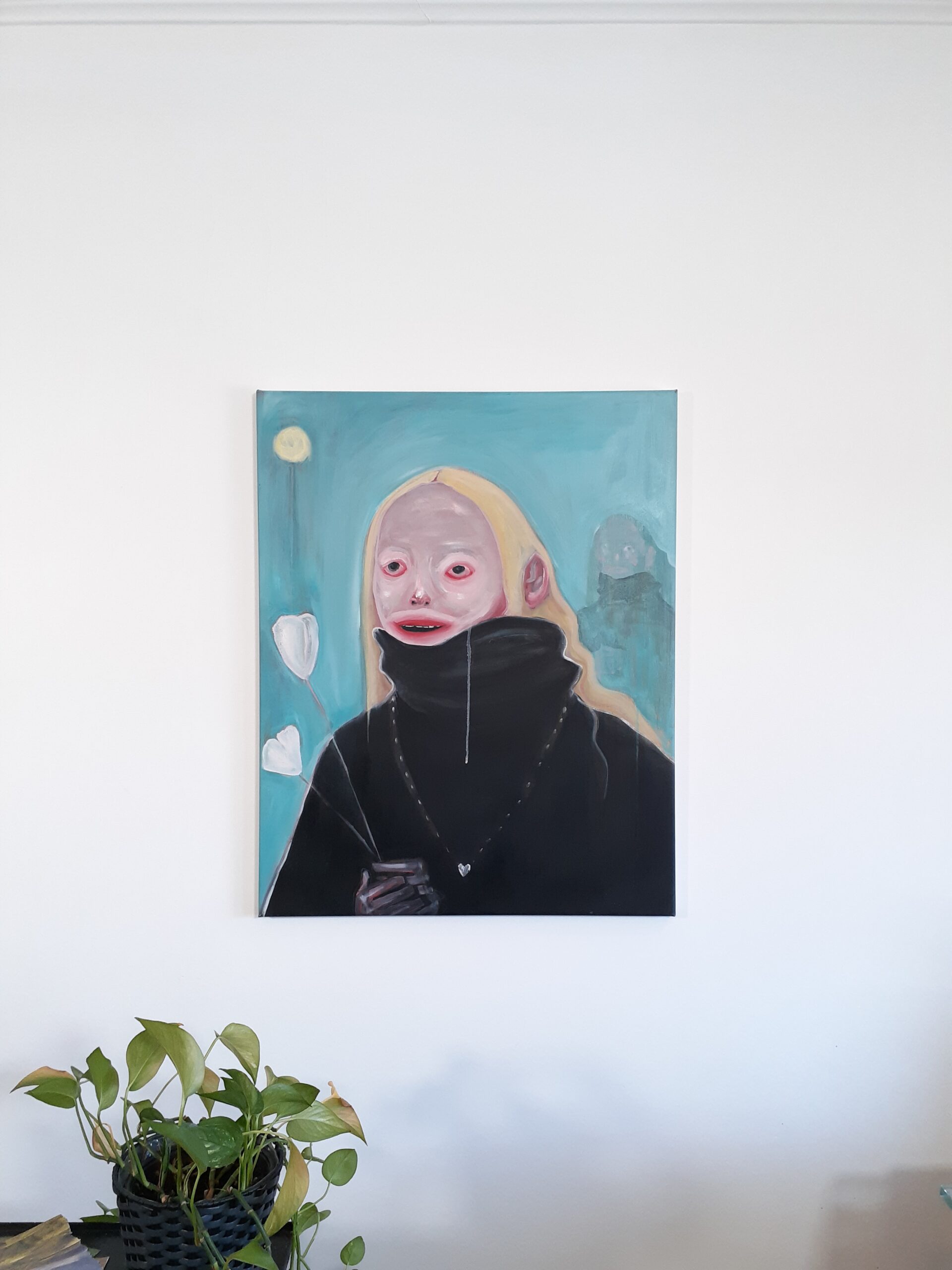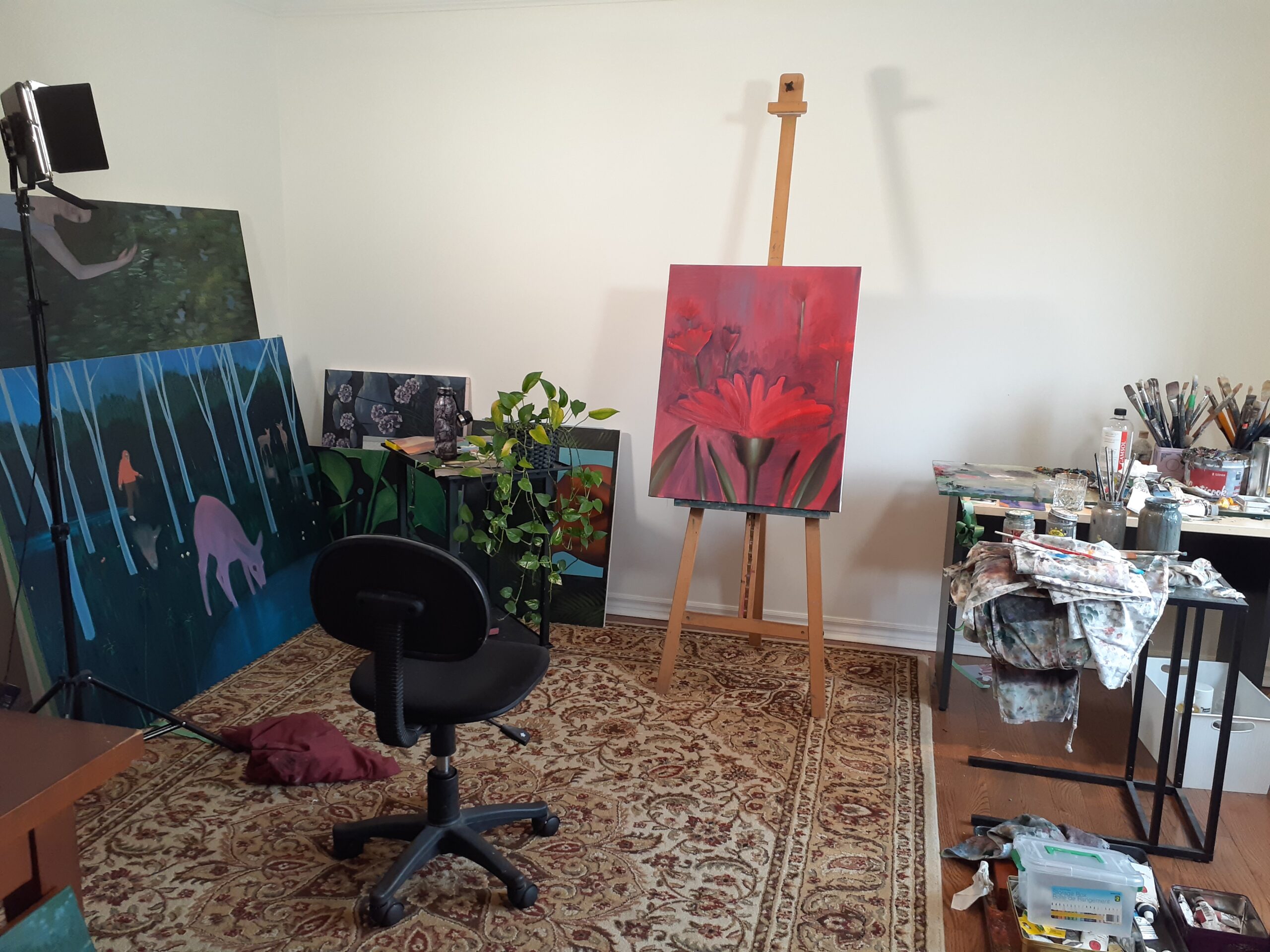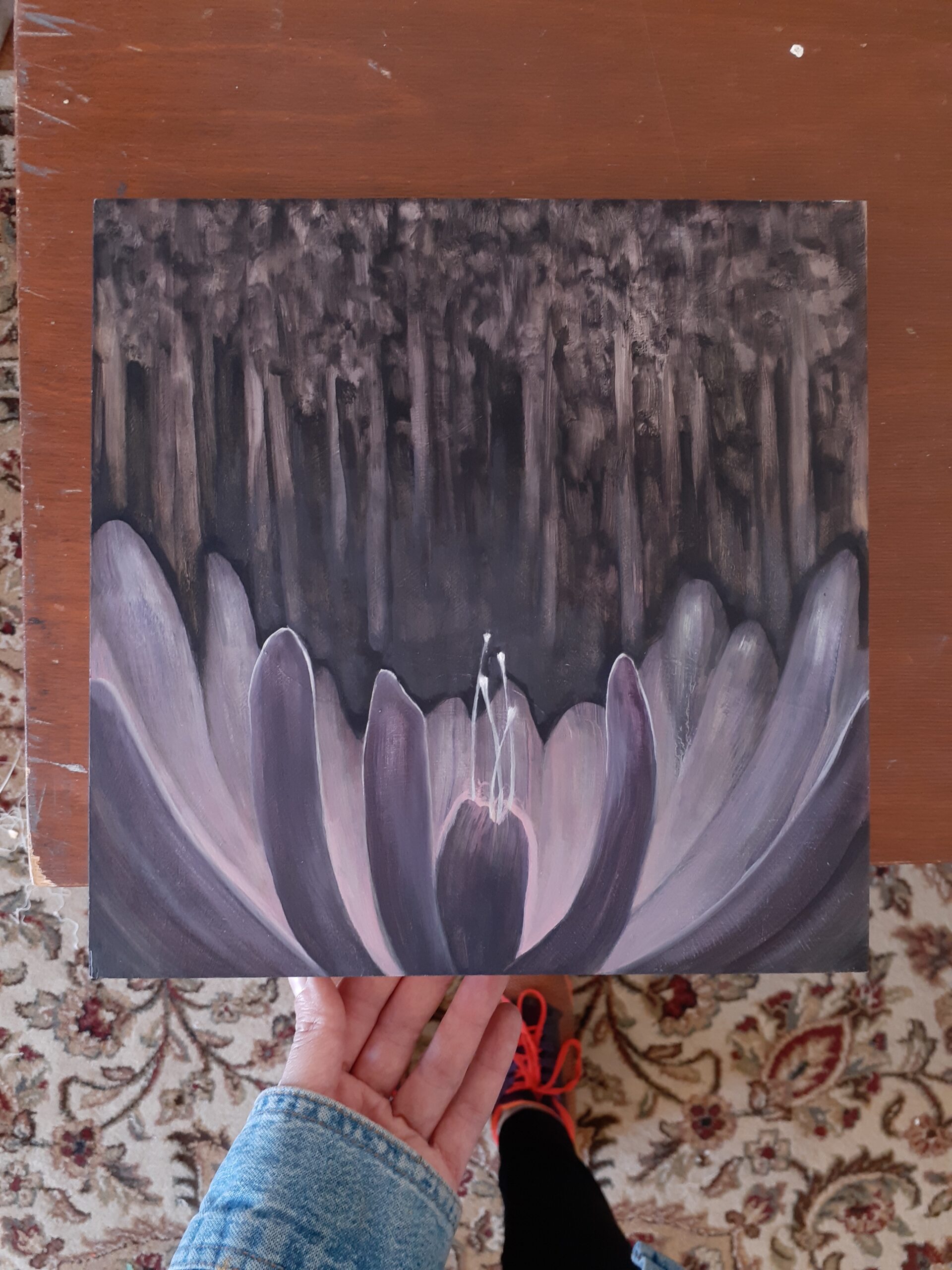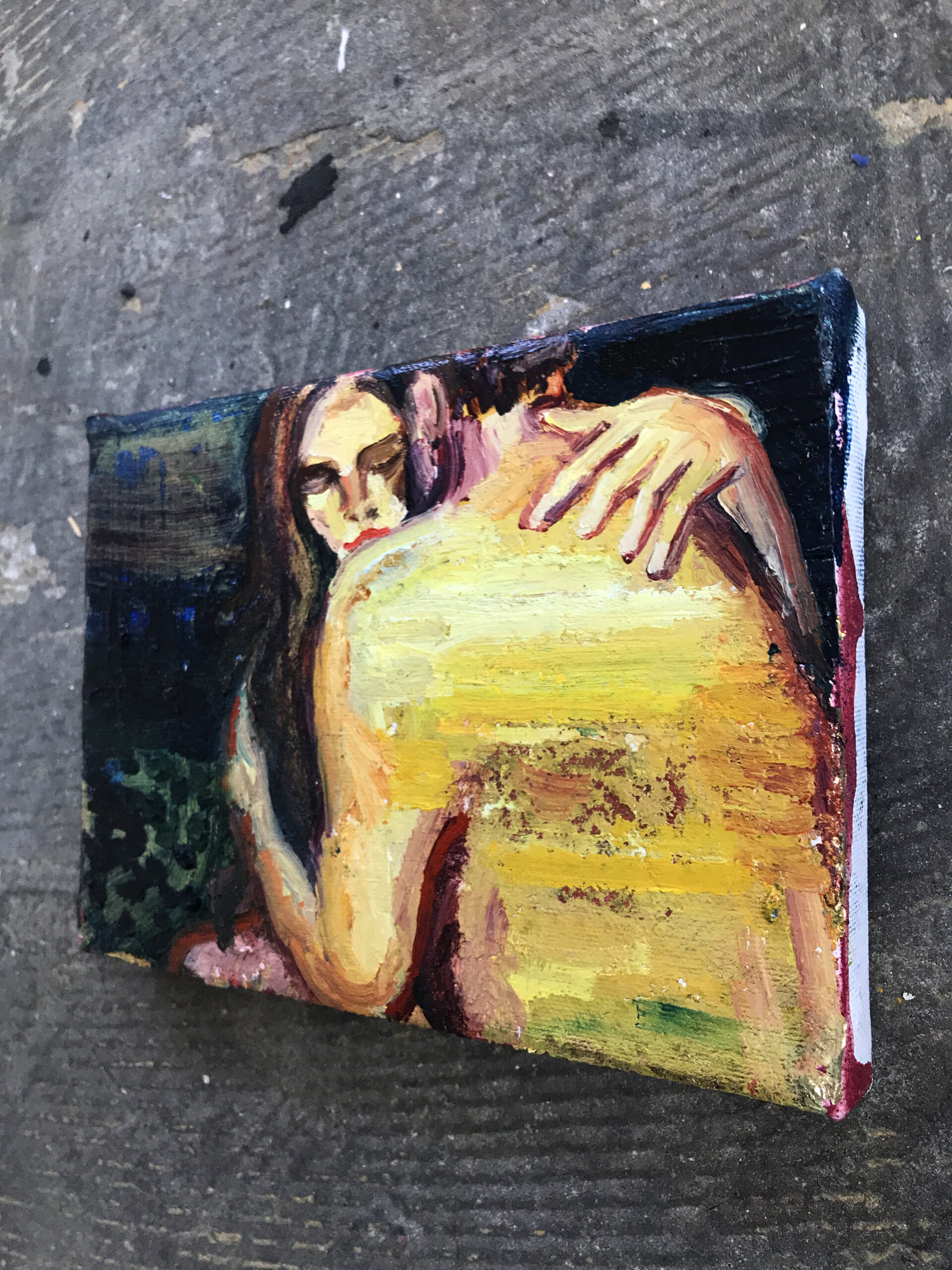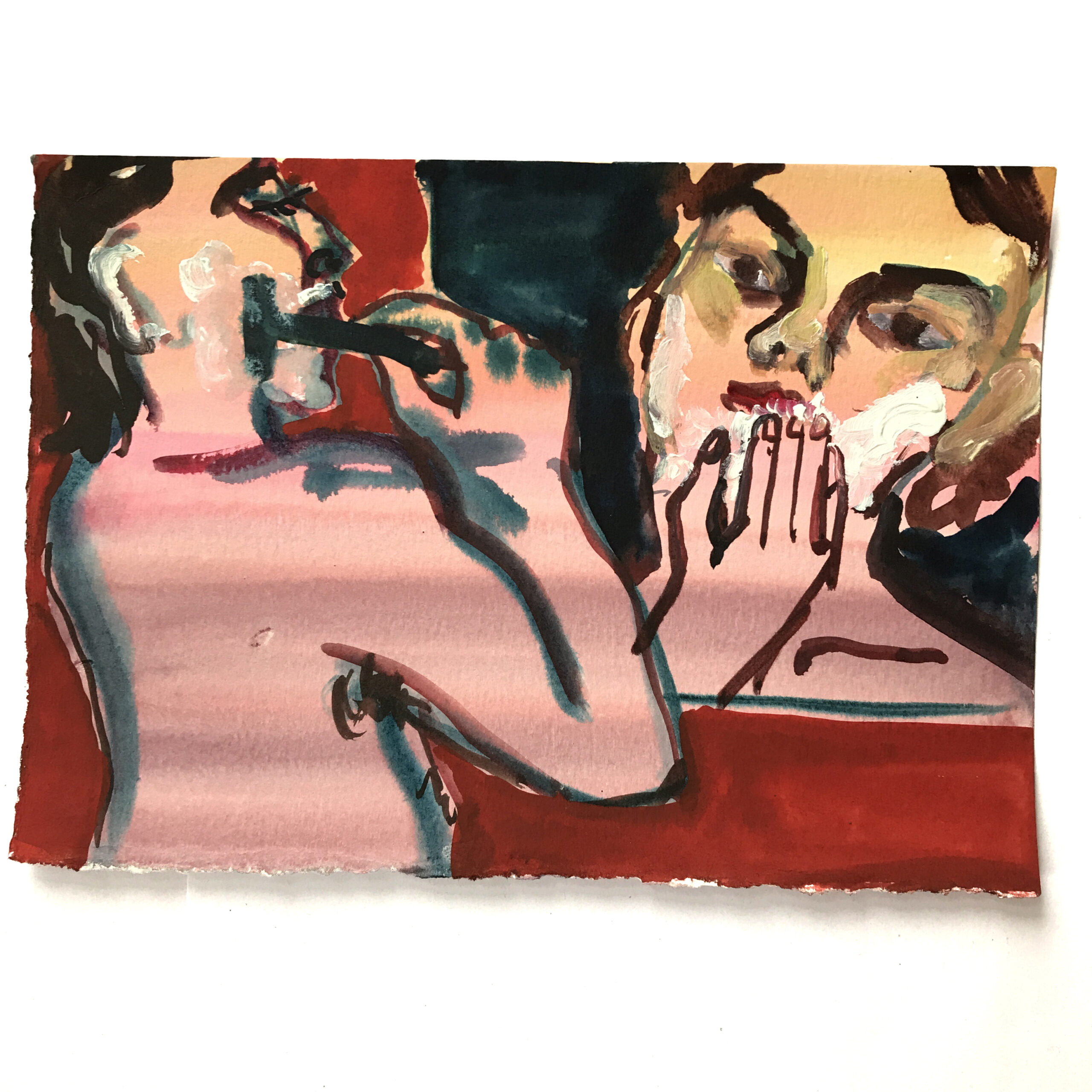
Posted on

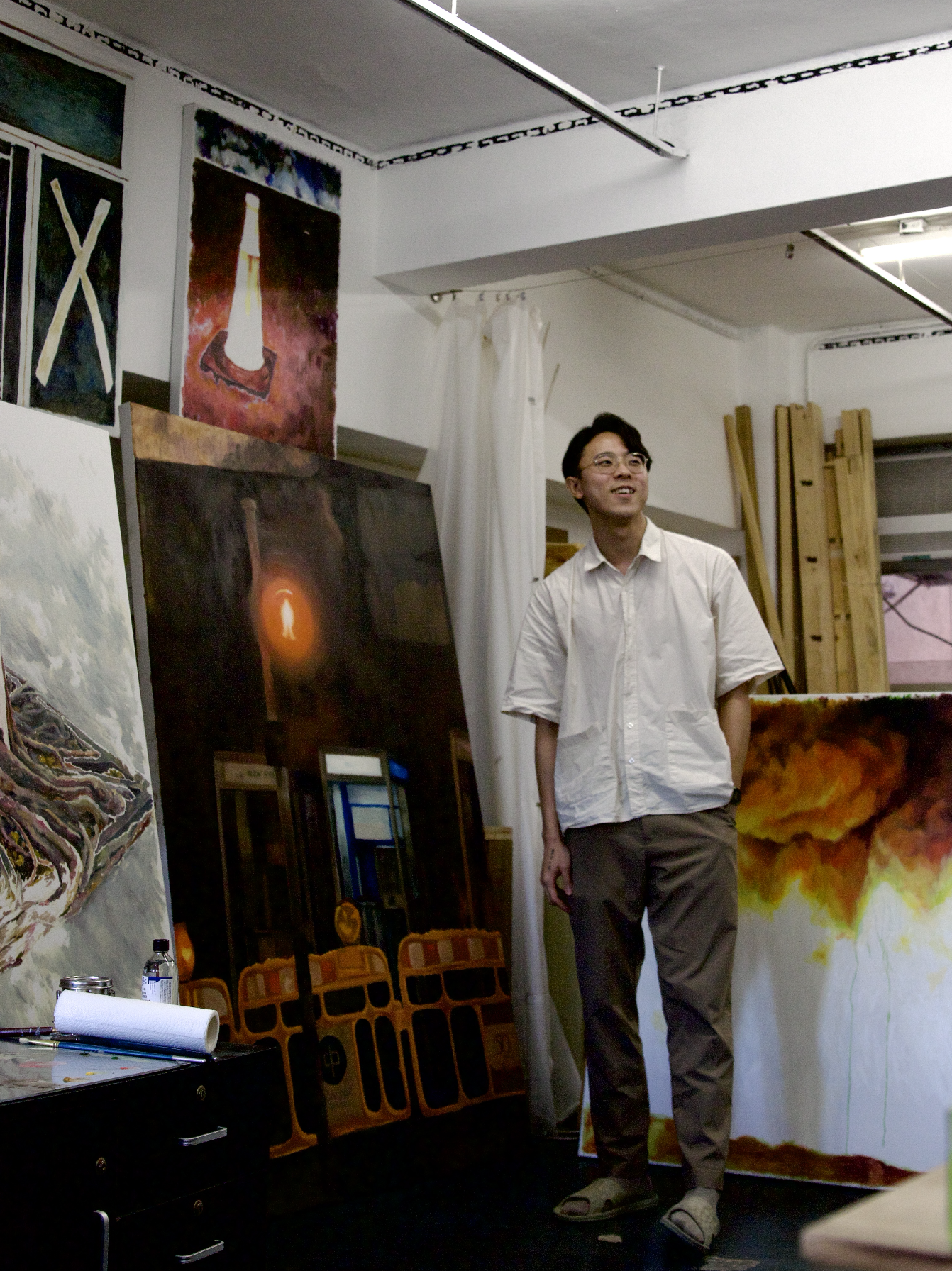
In the Studio with Igor Chan
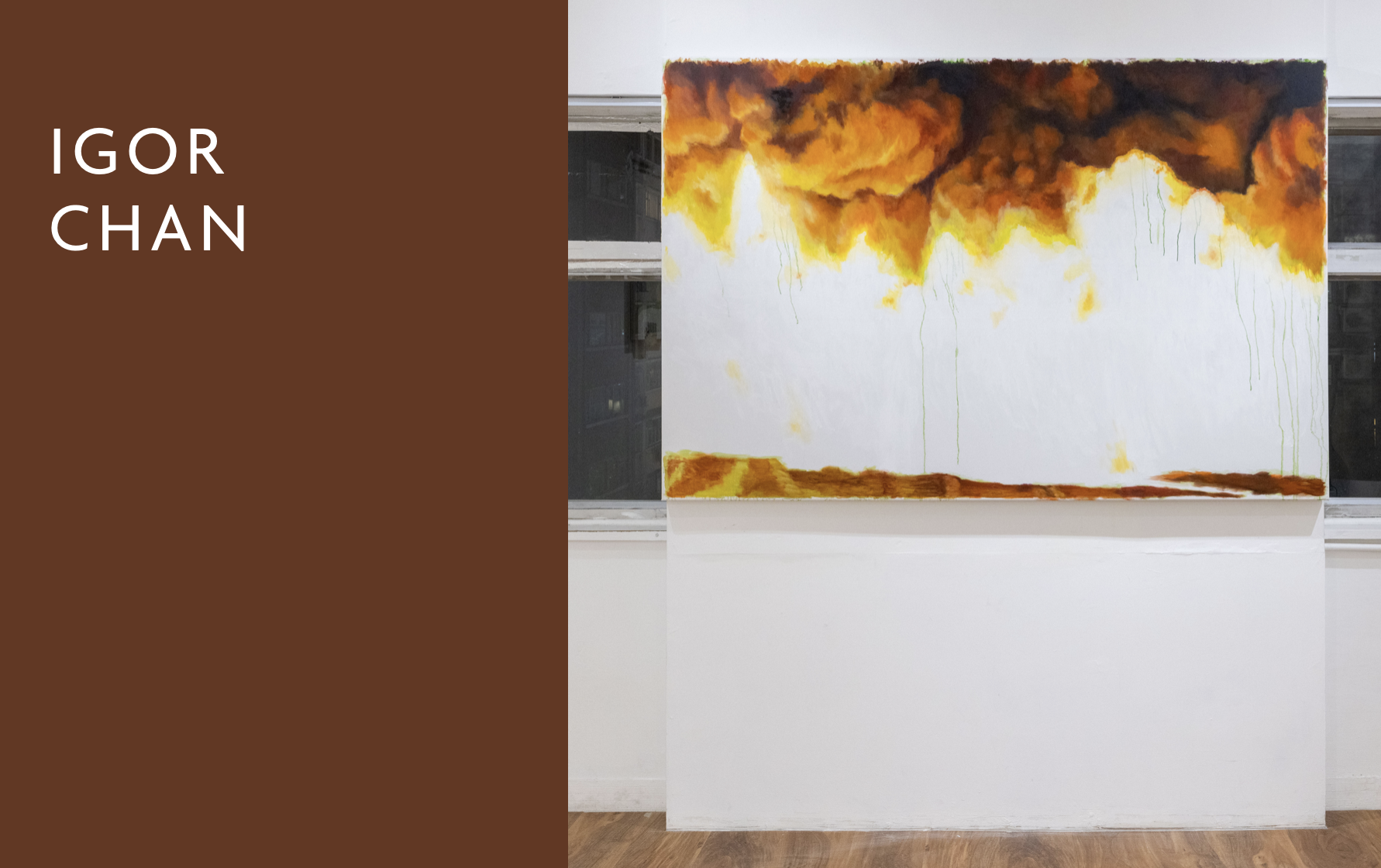
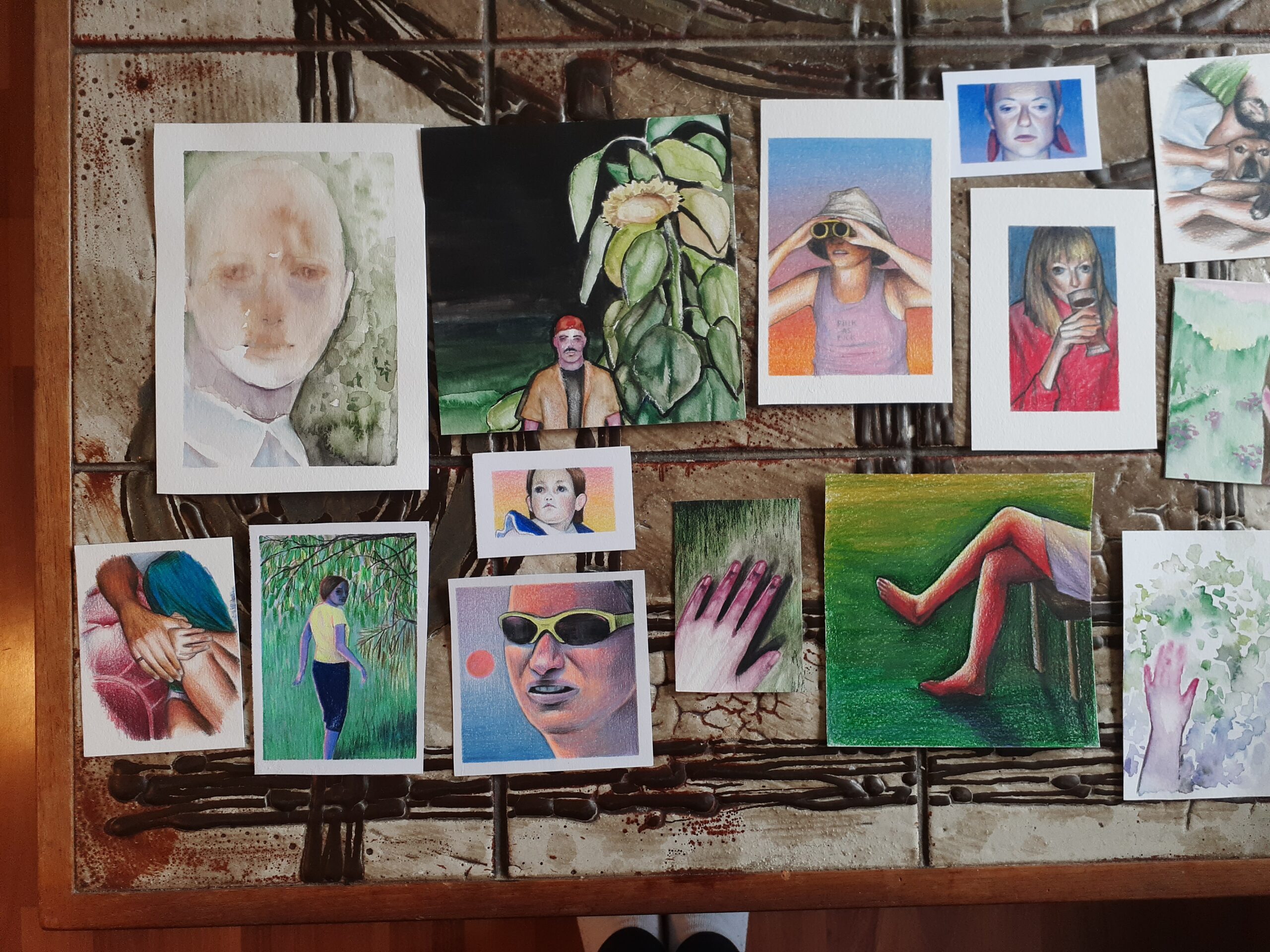
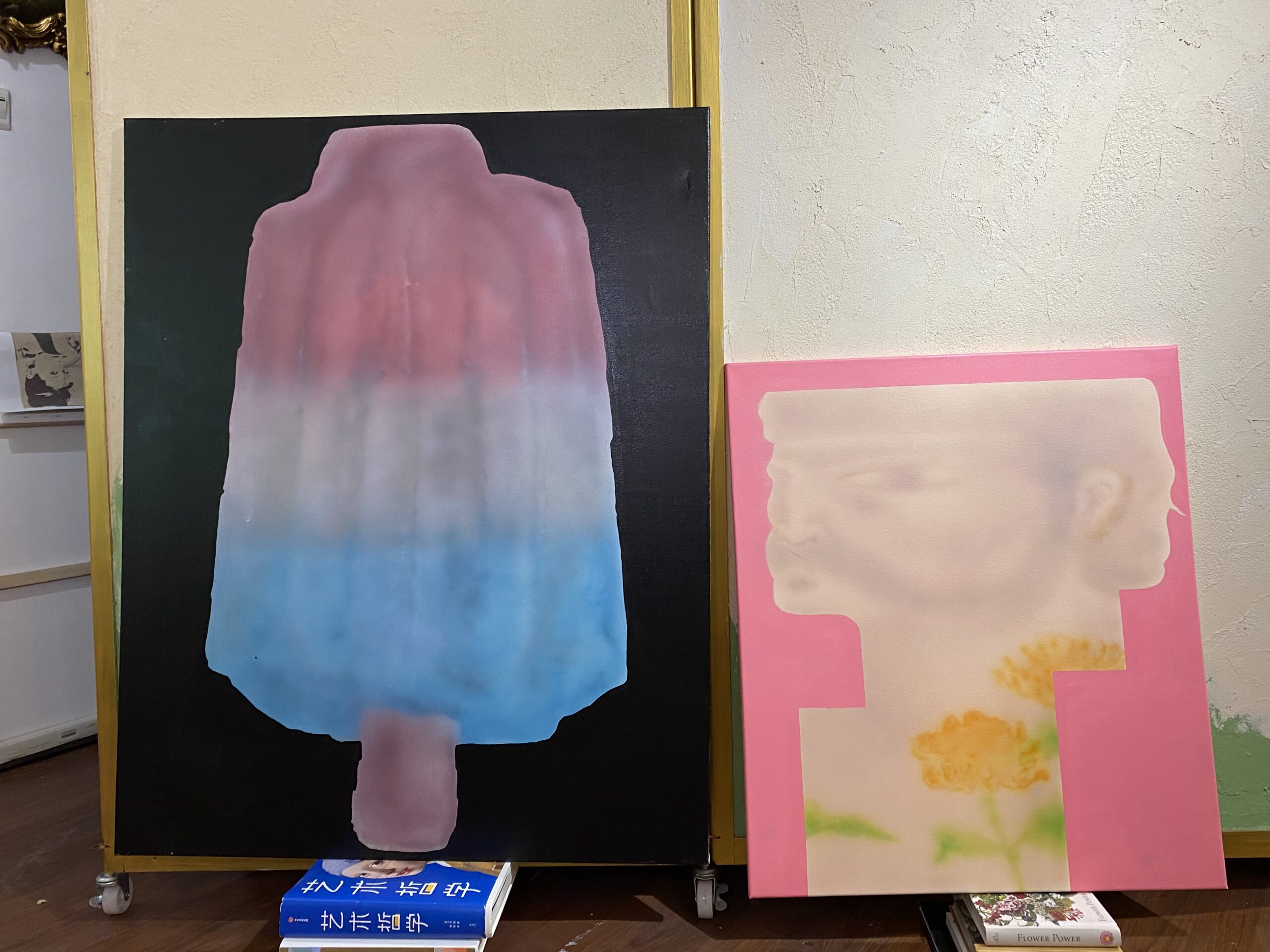
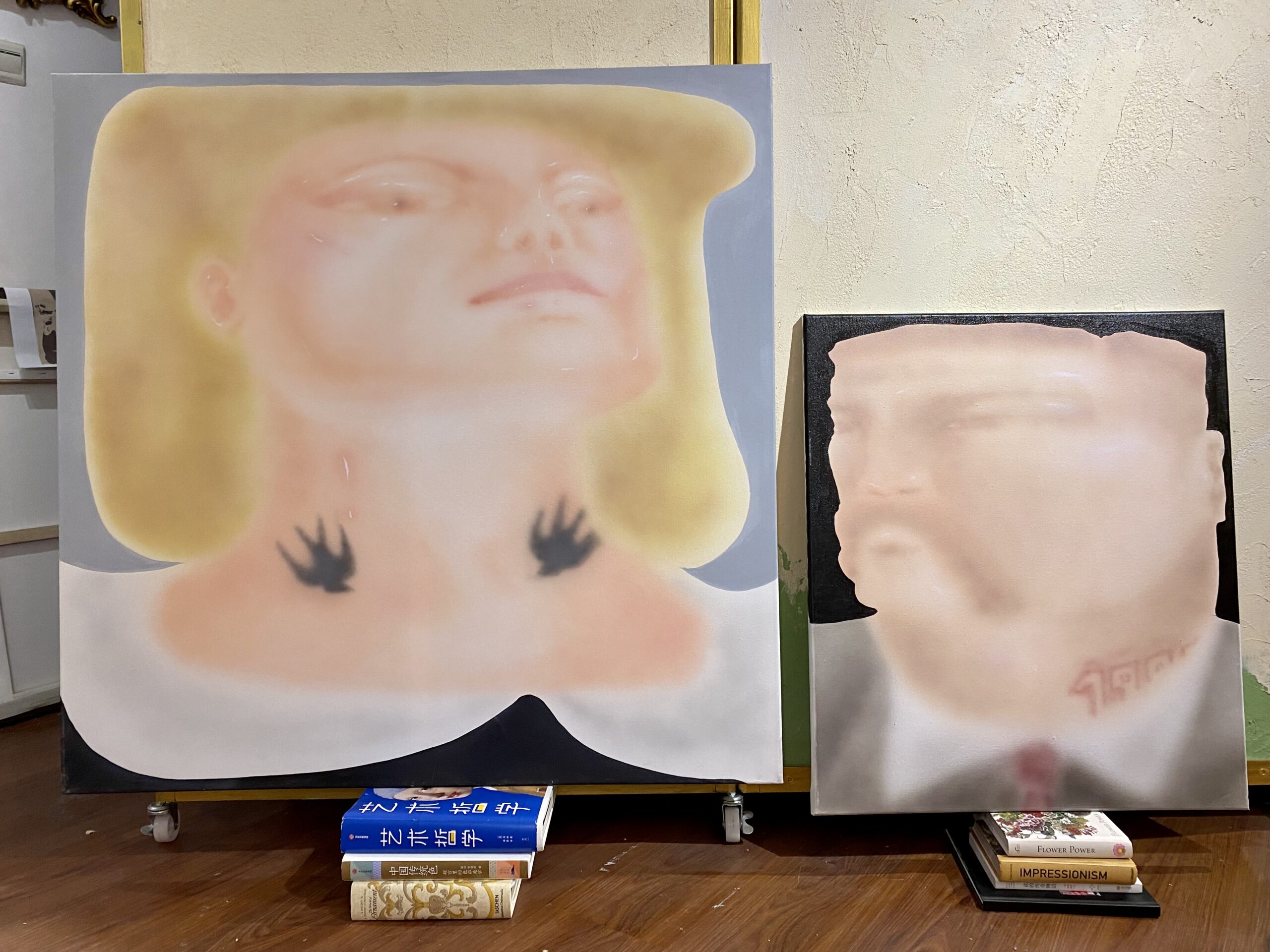
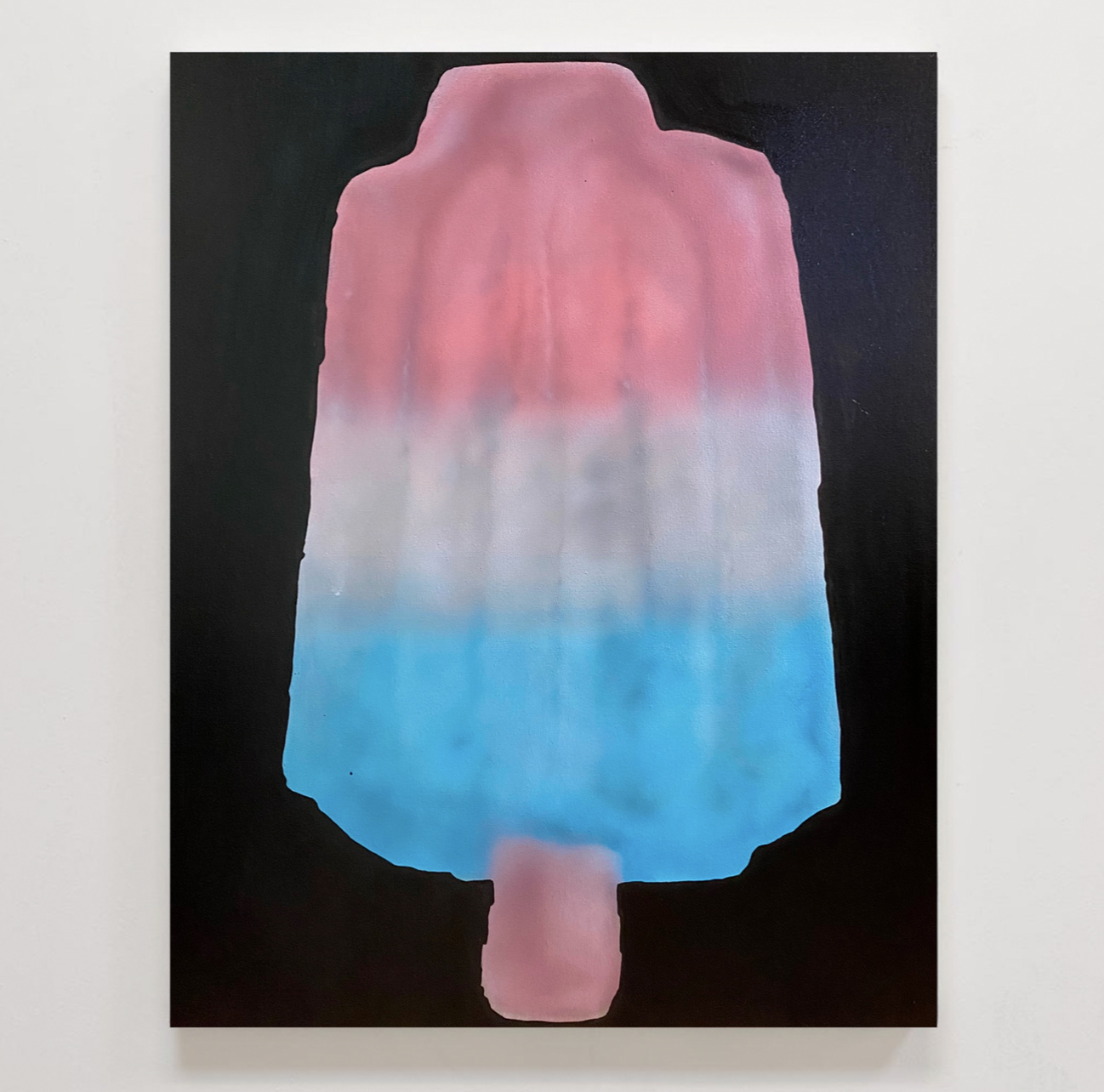
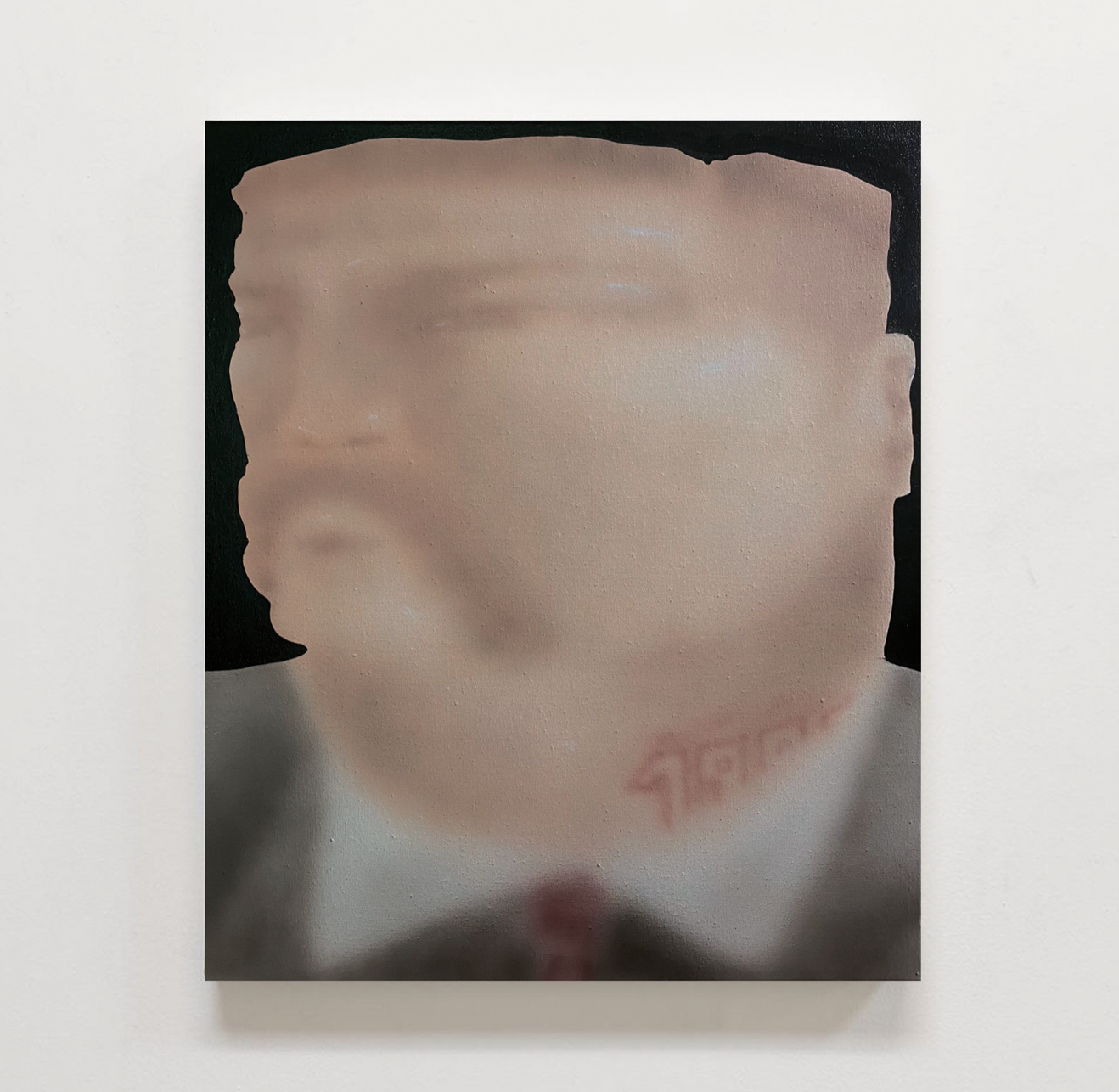
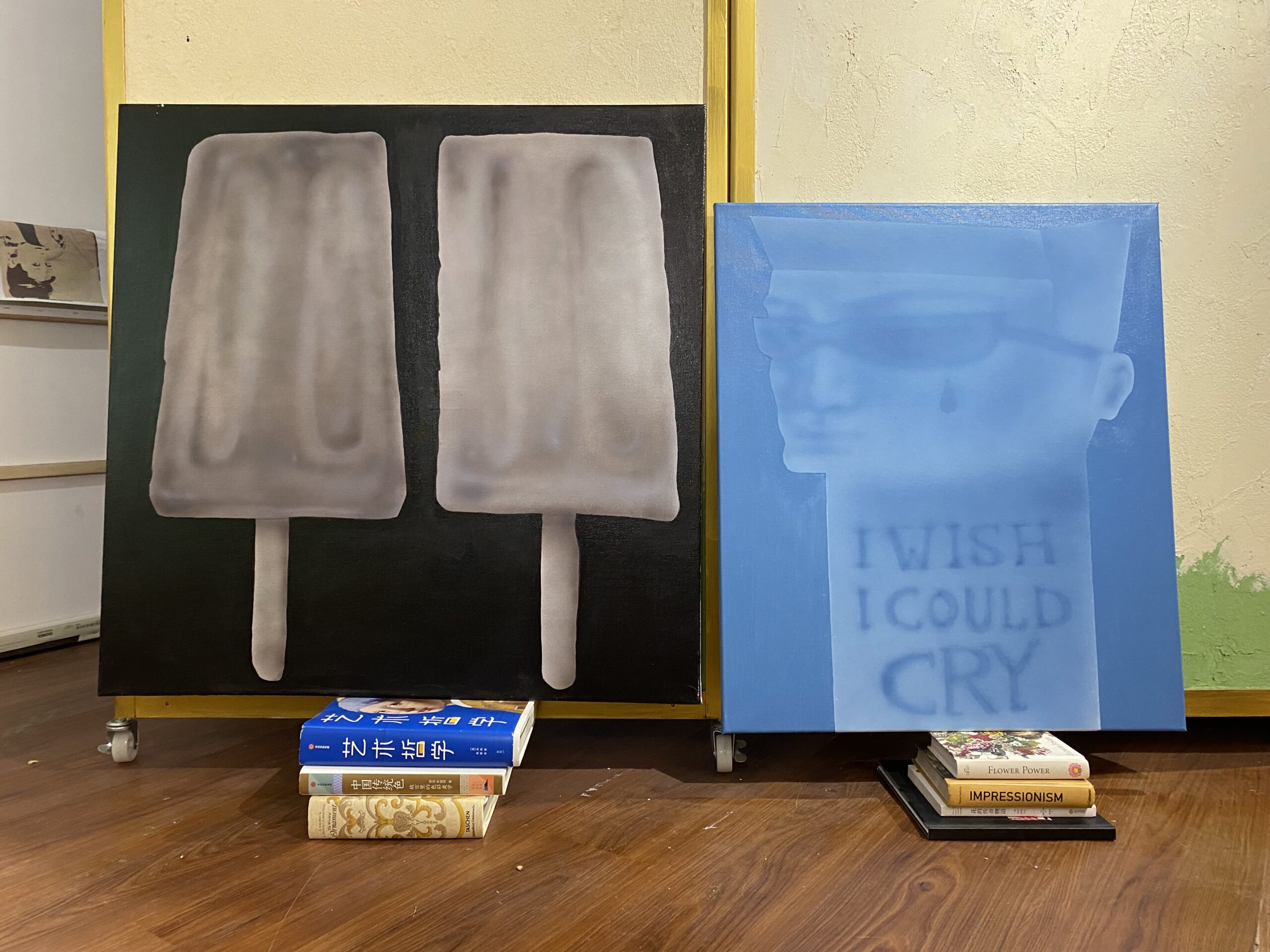
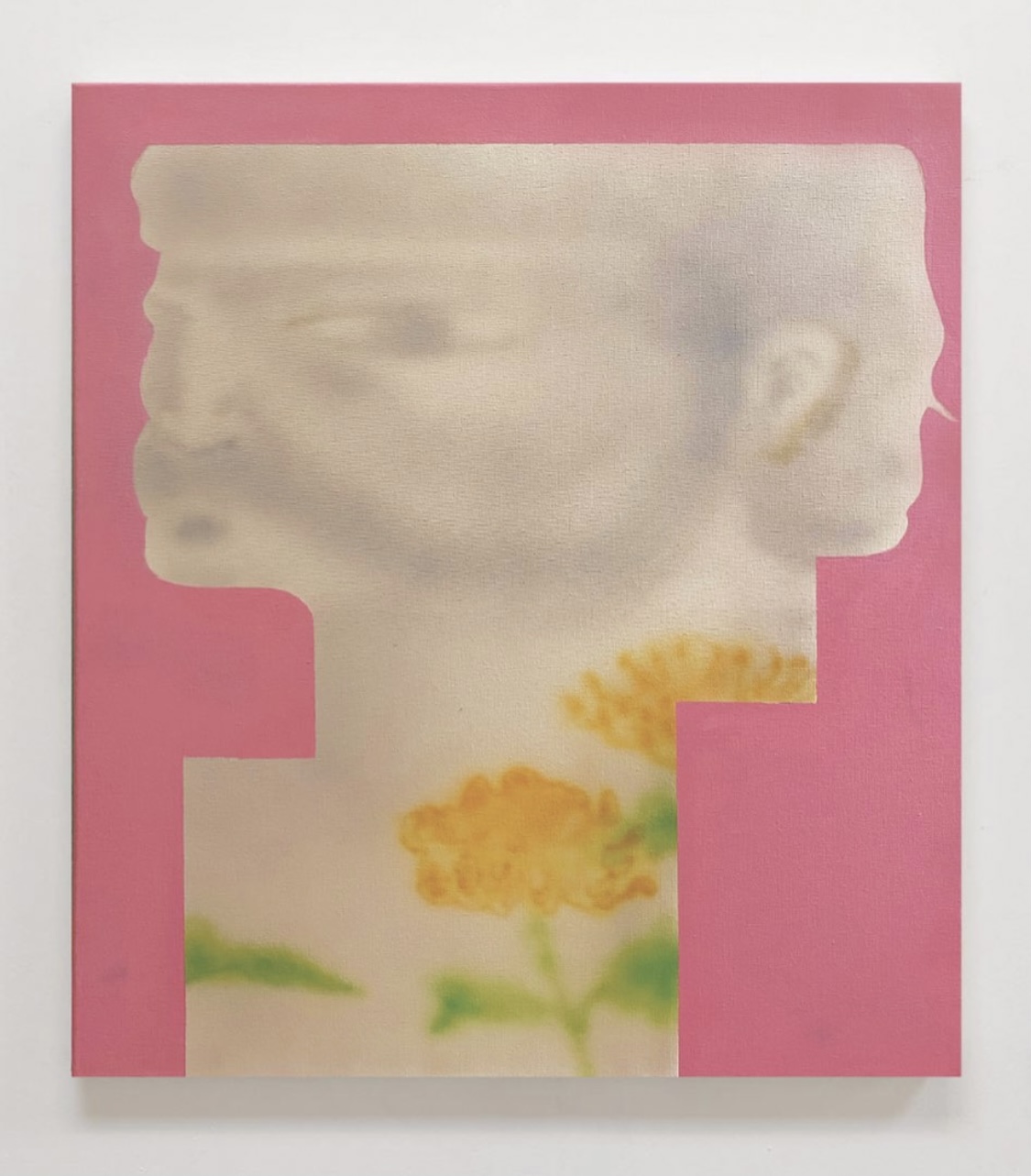
At first glance, isolation is omnipresent in Chan’s work. His iconography is cropped from the minutiae of daily urban life: the lower half of a roadside tree, a window with masking tape, a ghostly phone booth. However, unexpected community emerges upon a further look. To see Chan’s tree as orphaned is to ignore its family of roots. To see Chan’s window as solitary is to ignore the building it is part of. To see the phone booth as isolated is to unsee the dormant cityscape that embraces it. Chan renders the intricacies of the part to illuminate the pathos of the whole.

In Italo Calvino’s Invisible Cities, Marco Polo describes a variety of fantastical cities for his host, Kublai Khan. Eventually, Polo confesses that he is actually describing one city: Venice. Similarly in Chan’s work, his subjects may stem from different sources (ranging from Canada to Germany), but his works often result in reappraisals of his home of Hong Kong. This repetition of intent not only reflects Chan’s love of the city, but perhaps the specific type of Chinese love known as 不捨, which translates to the unwillingness to let go. It is the indelible relationality between objects, interpersonal relationships, geography, and time that forms the emotional groundwork of Chan’s paintings. We had the pleasure to hear more about his practice. 

Paint us a picture of your artistic journey. 

I started painting in elementary school. I continued painting for ten years, so it was a natural progression to continue studying art in college.When I did my graduation work, I would draw my subjects according to scale and imitate even the tiniest of details. But then I began to question myself: why do I need to adhere to verisimilitude?

My current practice begins with taking inspiration from images. The way I see images is that it presents a secondary reality. The proliferation of media and technology has made it challenging to approach subjects through a primary source. I began to accept painting as a way to communicate with this struggle, almost like depicting a tertiary reality. What you see on the canvas is a world that belongs to me, created by me. 

What does the idea of  ‘tertiary reality’ add to or subtract from the painting?

A heightened sense of readability is added to the painting. I try to make the primer and the underpainting apparent in my work. I will even deliberately leave certain spaces blank to allow the painting to breathe. Painting is different from photography in the sense that the process is visible. I don’t consider the blank spaces to be a loss. Every choice I make gives new information to the painting. 

I’ve often wondered that given the intense climate of 2022, painting can seem like a frivolous task, especially within the context of Hong Kong. But this thought has inspired me to demand more of myself when I start a new work: what am I actually doing? What is actually the purpose here?

You mentioned briefly that you stopped working briefly after 2020. How have these recent years changed your idea of painting, or art, as a whole?

Before 2020, I cared a lot about how audience members received my work. When I was getting my degree, I felt that my work was defined by institutional standards and deadlines. My graduation thesis was based on the argument that art is useless, which my professors were rather depressed by. So there was a moment where I completely lost confidence in art, but I felt a lot more at ease after graduation, which shows in my work. I had the space to truly feel what was around me and to understand the direction my taste was leading me towards. 

It was also a liberating moment when I realized that art is a very selfish activity. At the end of the day, art satisfies my own needs, rather than fulfilling the desires of an audience. Now, I think that a painting is finished when I no longer have the urge to carry on. 

Where does your inspiration come from? 

My inspiration used to come from conversations with friends, and I would be struck by a certain topic or incident that was mentioned. Now, my inspiration comes from a more proactive place– my own observations of daily life. I like to scout for things I see on walks that carry an uncanniness. The objects we see in daily life may appear to be innocuous, but there are a lot of inner tensions that escape the eye. I like to figure out what qualities trigger me. Painting is a way for me to enlarge and inspect these ‘triggers’. I enlarge my subjects so that the viewer cannot avoid what they’re presented with. 

The interpersonal tensions you are exploring exist below the surface of the everyday. Why are you drawn to depicting objects rather than human figures? What are the tensions embedded in the inanimate?

Even though you don’t see human bodies in my work, every object is human-made, or contains some trace of human activity. The inanimate is the residue of humanity. Painting objects allows me to explore interpersonal tensions in a more subtle way. It’s like what I mentioned earlier about secondary, or even, tertiary realities. It comes from a similar space of working outside of primary sources, since they are so elusive in a technology-saturated era.

Who are the artists who have made a significant impact on your work?

I’m inspired by Edward Hopper. I’m drawn to how he creates atmosphere through the negative space between subjects that is specific to cityscapes. Even though there is a great attention to deliberate emptiness in his work, there is a sense of suffocation that I can’t find in other artists’ work.

I’m also really inspired by my contemporaries, my friends in Hong Kong who are practicing artists. I think it’s because I’ve been in contact with them the most, whether it’s through conversations or their own exhibitions, so I always learn from them. I really appreciate being a part of their community.
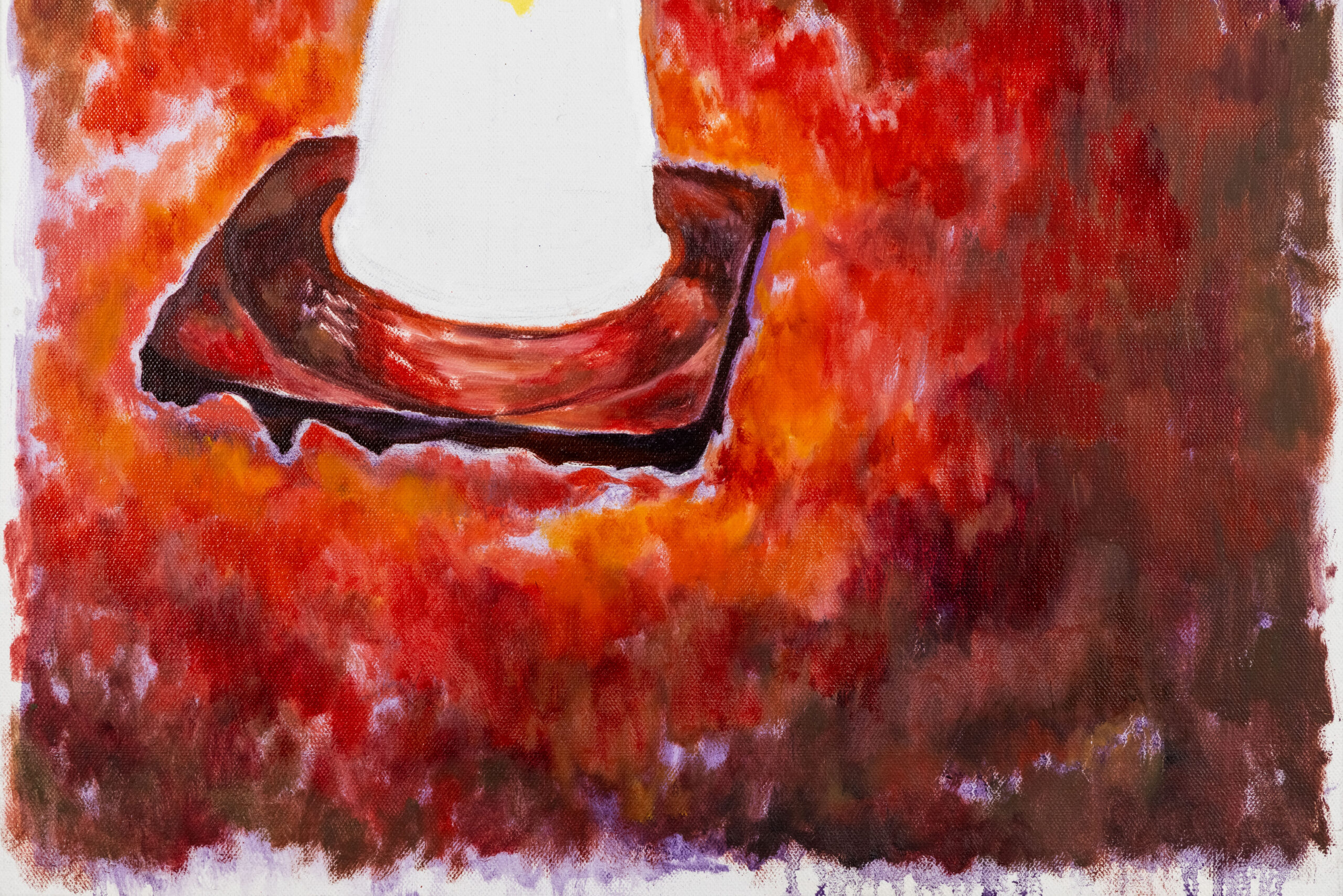
Your work draws heavily on the present moment. Is this direct confrontation with what’s going on in our lives taxing? Have you considered taking inspiration from history instead?

I’ve always thought that the life of an artist is very long. In other words, I don’t know how my work will evolve in thirty years. For now, I just want my paintings to be a document of what it’s like to live through the “now”. I aspire to create an archive of the eras I’ve lived through so future viewers can look back at our times one day.

Tell us about the inspiration behind some of your consigned works. 

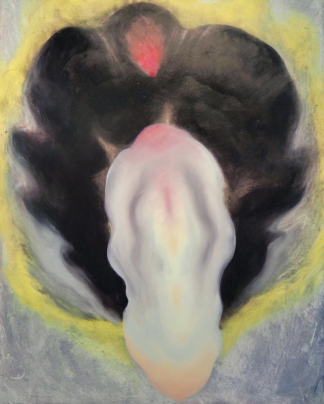
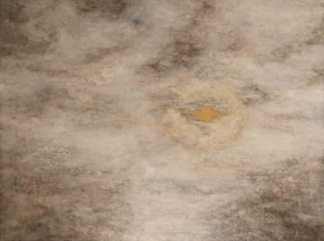
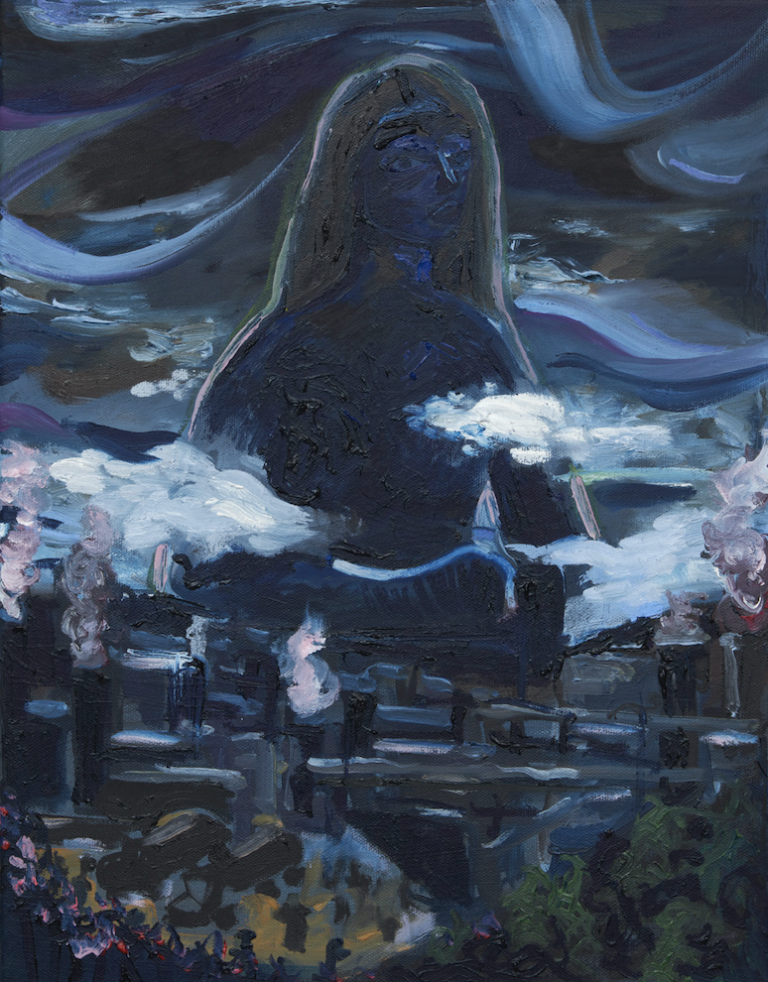
Heat is inspired by a picture I found in a local newspaper, but I have deliberately created the painting outside of its temporal and geographical context. The image you see in the painting can be the bonfire at a beach or a festival. My goal was to capture a fervent energy, using a neutral perspective to approach the controversial subject in the original picture. I didn’t want to use a didactic, superimposing voice. Instead, I wanted the audience to tell me what they see. I’ve also included a lot of white space in the painting. To me, the absence may even speak louder than what I’ve filled in. The things we can’t see often resonate stronger.

I Haven’t Said Goodbye Yet  is inspired by my friend who moved to Germany in 2019. He took a picture of a phone booth in Germany and sent it to me. I’ve started painting phone booths since my undergraduate studies. The phone booth is an icon in Hong Kong’s streets. Even though it is still present today, it is also an expiring icon because no one uses phone booths anymore. To me, the phone booth represents a space of forgetting and neglect. I like to imagine who would still go to a phone booth, and why would they even go there in the first place. This painting investigates the difficulty of human connection, and the barriers that separate us across space. I find it fascinating how phone booths serve as a bridge of communication, but also feel so isolated in their box-shaped, Hopper-like structure. 

Have you always been a romantic?

No! On the contrary, I always tell my friends that my paintings lack an emotive quality. My friends tell me otherwise, but I don’t feel that way because I paint in a very straightforward, rational way. But maybe I am a romantic subconsciously. 

If there’s any artist you could have dinner with, who would that be?

The first would be Tehching Hsieh. I’ve admired him since college, especially how he pushes himself to the extremes in performance pieces. His work is radically different from mine, but I would love to know how he does it.

I would also like to have dinner with Samson Young. He is such a versatile artist, unlimited to any medium of expression. I met him once in college. I think I will learn a lot from him not only because he is also a young artist from Hong Kong, but also just because he is a remarkably fun and intelligent person. 
written by

Ethan luk

photography by

chak chung

Posted on

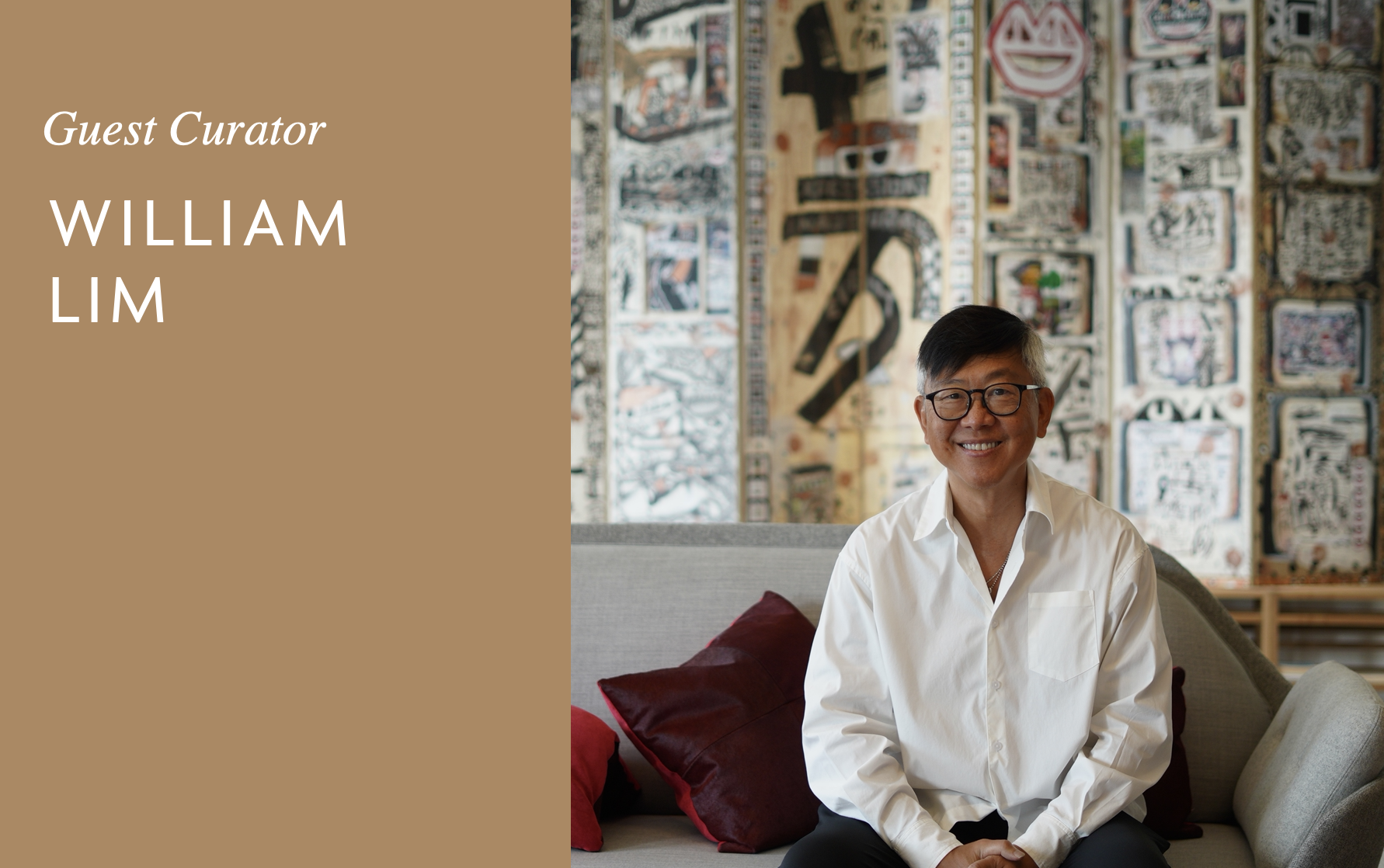
A conversation with William Lim

fever
A Conversation with
William Lim

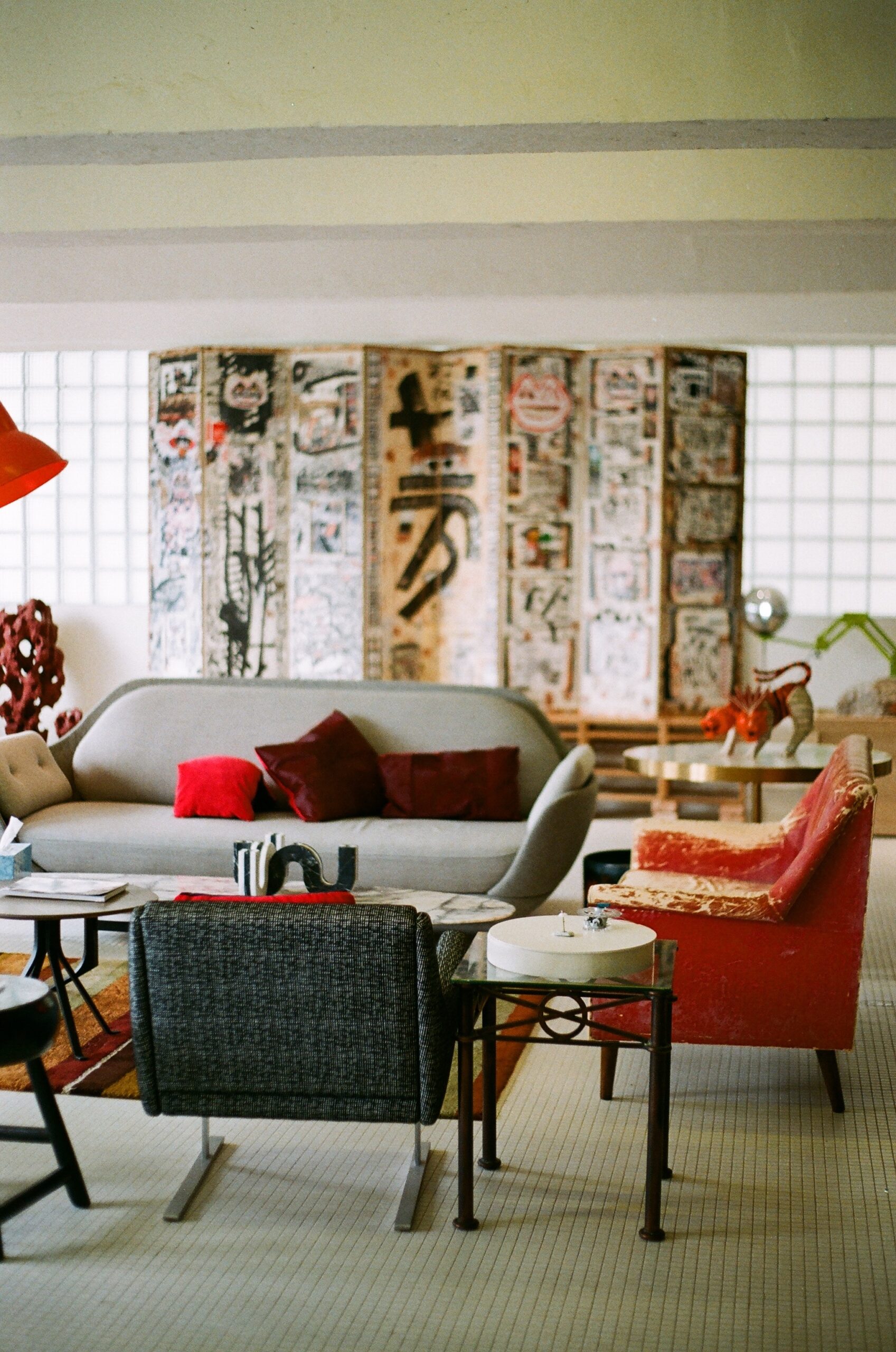
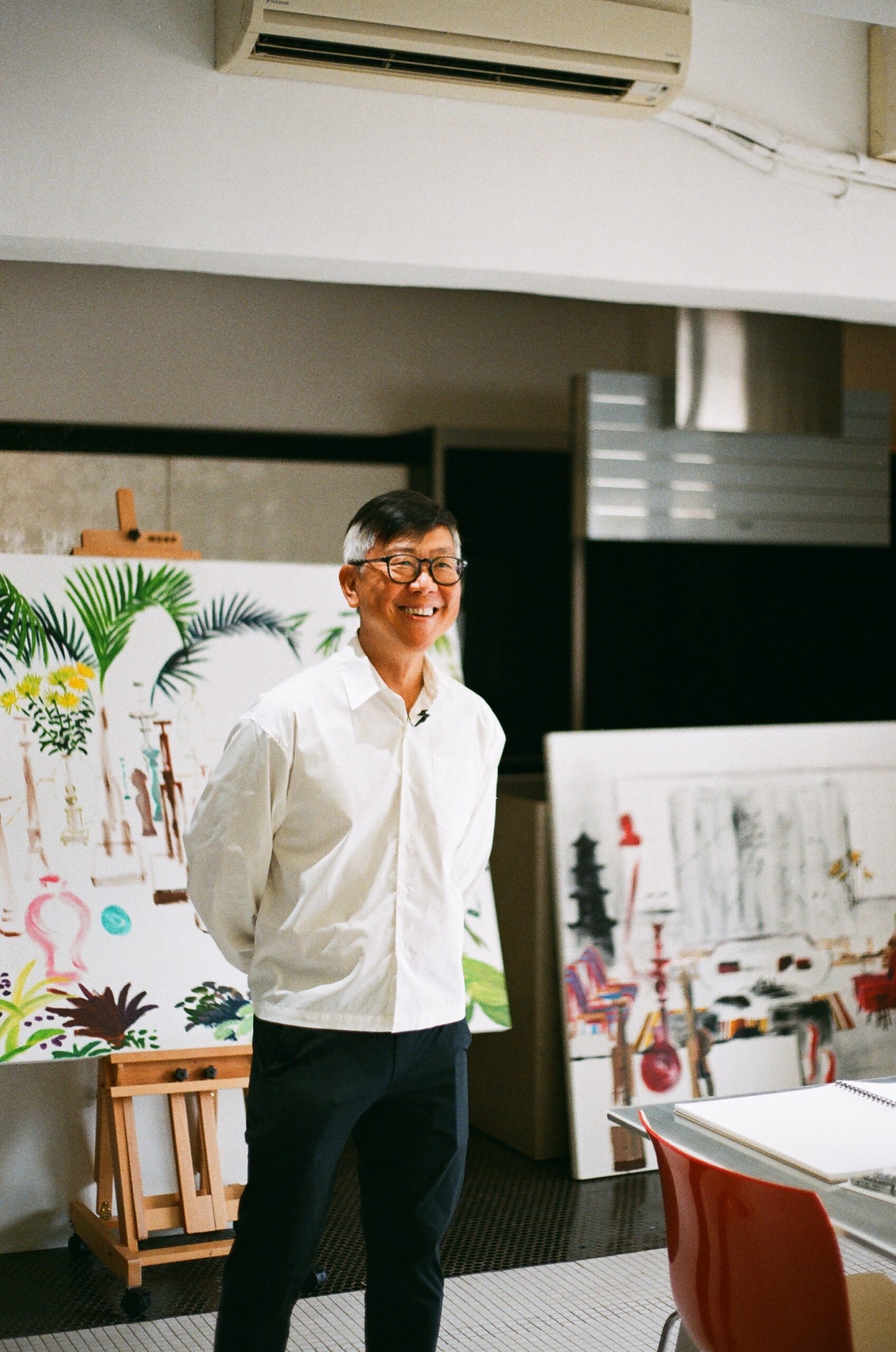
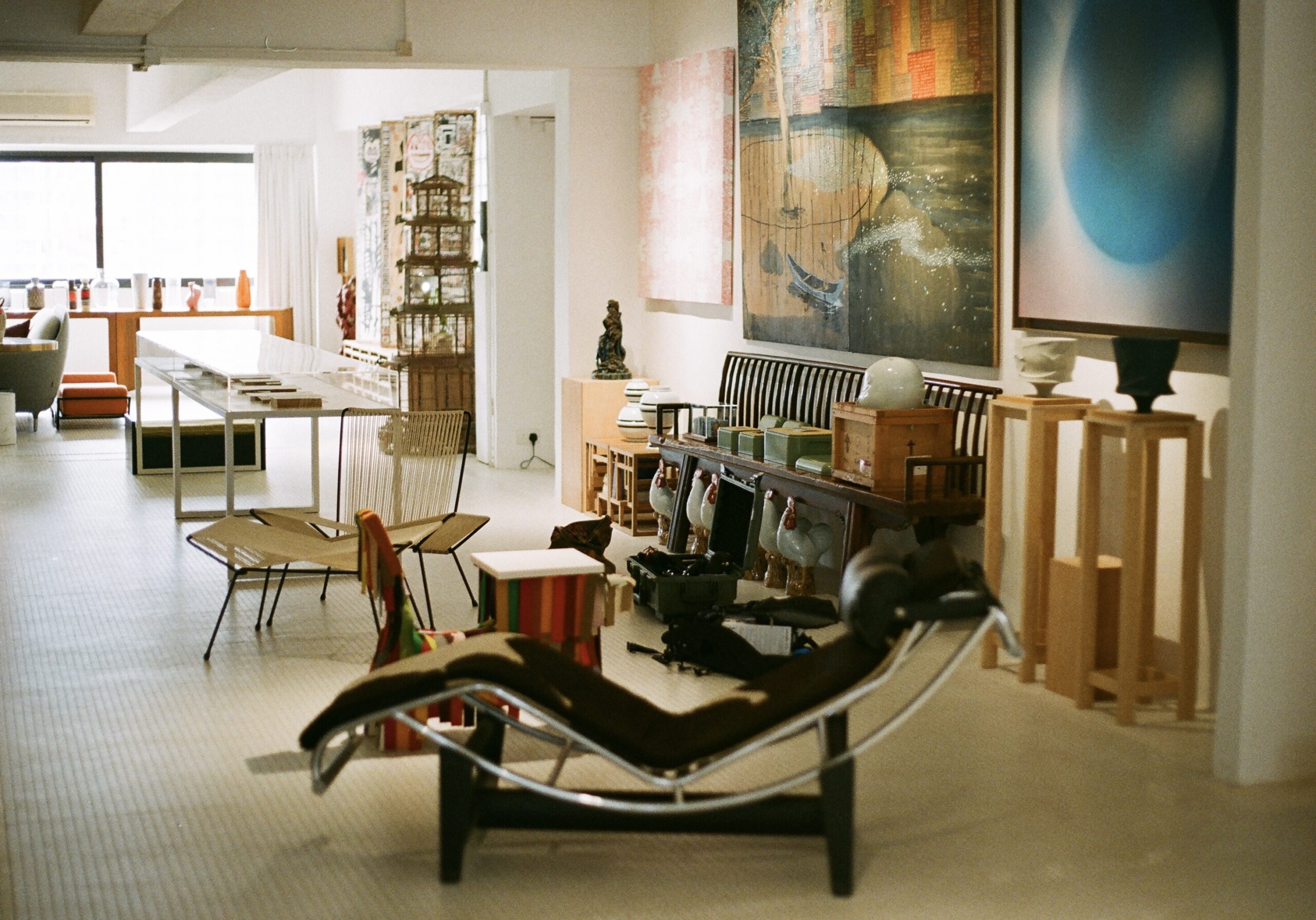
Walking into William Lim's studio in Wong Chuk Hang, one feels the wonder of a child entering a toy shop. Gems from local artists abound, ranging from an early large scale painting by Wong Sze Wai to an installation by Samson Young, the multidisciplinary artist who represented Hong Kong at the 57th Venice Biennale. We had the pleasure of speaking to William about his sprawling collection, what it means to be a collector, curator, and creator in Hong Kong right now.

fever
A Conversation with
William Lim

Walking into William Lim's studio in Wong Chuk Hang, one feels the wonder of a child entering a toy shop. Gems from local artists abound, ranging from an early large scale painting by Wong Sze Wai to an installation by Samson Young, the multidisciplinary artist who represented Hong Kong at the 57th Venice Biennale. We had the pleasure of speaking to William about his sprawling collection, what it means to be a collector, curator, and creator in Hong Kong right now.

What got you interested in art? Did you have an art-eureka or epiphany moment? 

I’ve always been interested in art. When I was a young kid, my only interest was drawing. In university, I majored in architecture at the School of Architecture, Art, and Planning (AAP) at Cornell. I had a very close relationship with art during my studies since my studio was in proximity with the art students’. I also took advantage of the school’s art classes at the time. 

I’ve always enjoyed art collecting as well. It was around 2007 when I first came across ParaSite. I was looking for work by mainland China photographers at the time, and I met the curator Tobias Berger. He introduced me to a lot of contemporary Hong Kong art. A lot of the work was notable and personal, but there was still no market for local artists at the time. I started to collect because it was a nice way of recording the trajectory of the art scene, and perhaps more importantly, to start acknowledging the vibrant cohort of emerging artists in Hong Kong. 

Can you briefly describe how the contemporary art scene in Hong Kong has changed from its inception to now? What does this development mean to you as a collector?

In the beginning, there was hardly any attention on local artists. The first to enliven the scene were the big auction houses like Christie’s and Sotheby’s, but they were mainly doing antiques and classical Chinese art. Hong Kong artists had yet to make it to the forefront. After the announcement of M+, a museum focused on contemporary Chinese art, people became more attuned to Hong Kong work. The first Art Basel in Hong Kong was also another major event that served as a turning point in the local art scene.

When I started my studio, there weren’t other venues where you could see contemporary Hong Kong art, so it became a place of gathering for curators, gallerists, and aficionados. I also have a book called The No Colors, published in 2014, that was a survey of my collection of local art. 

Now, the scene of contemporary Hong Kong art is really booming. There are so many more practicing artists, new local and international galleries, and some Hong Kong artists are doing really well in the international market. I’m confident that contemporary Hong Kong art will continue its upward trajectory. It’s a very exciting time.

You previously characterized a lot of local contemporary art to be ‘personal’. Where do you see the ‘personal’ in the works? 

When I first started collecting, there were only around two galleries that showed local art. A lot of artists at the time were focused on conceptual work and not working for any market. Some artists would get together and rent a space in industrial districts such as Fo Tan to make work on weekends. The medium of the pieces would also be quite grassroots, using material such as plywood and ballpoint pens. There was also an emphasis on small-scale works, since studio space was limited. There was a real sense of collaboration and vulnerable story-telling in the pieces, which is where the personal shines through.

Even now, I collect works from recent graduates and young artists whose works are not in the collections of major institutions. I spot work that tells intimate stories. Since I’m also a practicing painter now, I can tell when the work has a spirit or not.

Did your eye as a painter alter your curation process?

For this sale, I looked with my eye as a collector. I look for originality. A lot of people have said that all art is derivative, but even with that statement, you can tell whether the artist is breaking the norm and trying to tell something personal. If the work comes from a personal place, it inherently occupies a unique perspective. Another thing I look for is whether I can sense the spirit of the artist. It’s an elusive quality since it is non-scientific and outside a perceptible realm. 

How do you envision the Hong Kong art scene in ten years? What are your hopes and aspirations for Hong Kong art? 

I am really hopeful about the future. There is a lot more access to contemporary art in Hong Kong now, with more institutions offering BFAs, giving emerging artists proper nurture and opportunities. I think that the scene will keep expanding. Currently, people still label local artists as “Hong Kong artists” that rarely show outside of local galleries. My hope is that in ten years time, local artists can gain international attention and recognition. 

Why is it important to collect emerging art? 

I’ve worked with different museums such as M+ to expand their collection and include emerging artists. Most museums only collect established artists with a certain track record. Collectors have a responsibility to support young artists. A collection is not just an arbitrary series. It has the ability to trace the career of an artist, and to tell the holistic story of the present through art. I really enjoy meeting artists when they are young and following them throughout their careers. A lot of emerging artists need that encouragement to continue with their practice. My book The No Colors contains 50 local artists, and 90% of them are still practicing artists today. I am heartened by this, and I feel reassured to trust my judgment as a collector.

You wear so many different hats as an architect, a painter, a curator, and a collector. How do all these interests communicate with one another?

Being a painter is a recent development. I never had the chance or time to commit to it until the pandemic. I saved a lot of time with less traveling and meetings, and used that time to hone my craft. My paintings and my work in architecture inform each other. I like to paint spaces with intense color, which is also informed by my experience in interior design that requires a sensitivity towards fabrics, textures, and color. 

After I started painting, I also started to identify more with the artist when I’m collecting work. I’m understanding how certain works come to fruition: how it ‘clicks’, how it all comes together. As a painter, I also understand more about process: the struggles, how to overcome the issues, and how to make it work. I have a different sensitivity now. I look for work that contains effort– not necessarily in terms of time, but a depth of thought, feeling, and identity.

If there is an artist, past or present, that you would like to meet for dinner, who would they be and why? 

The answer to this question has shifted over the years, but right now my answer would be Vincent van Gogh. I’m really resonating with the intensity of his paintings, both in terms of their psychology and color. I’m also inspired by how his paintings emit emotive vibrance and precision. He would go back to the same subject over and over, and that intense dedication is amazing. He never loses his interest and drive. Now that I have started painting, I look up to his work in a new way. It’s quite amazing.

Why have you chosen the theme ‘Fever’ for this online exhibition/sale?

Certain strong works set the overall tone. For me, it was Igor Chan’s Heat. When I saw his painting for that first time, I could feel that viscerality that I look for. The inescapable incandescence that Igor depicted is found all over the world. ‘Fever’ is applicable to many realms. Its potency can be found in the environmental, the political, the interpersonal, and the psychological.

Fever

curated by William lim

written by

Ethan luk

Photography by

Joyce Ching

Posted on

In the Studio with William Grob

In the studio with William Grob, a visual artist whose work is based on a blend of memory and fantasy capturing scenes of events, that feels like a lost memory remembered. We met with William to tell us more about growing up in North Devon, their greatest influences, and unexpected sources of inspiration.

When did you first begin to see yourself as an artist?

I think I  always saw myself as an artist, I grew up in a household surrounded by art and my mother is a sculpture. As cliche as it sounds I think it was my first language. I suffered from a severe speech disorder and was put into the autisic bracket. Normal communication was not how I entered this world. Instead I used images to communicate, landscapes and flowers were when I was happy and dark muddy pictures were when I was angry. All that I do today is a slightly more sophicscated verson of what I did as a little boy attempt to communicate a feeling. 

Where are you from and what was your upbringing like?

I grew up in north devon at the top of Exmoor, where the hills roll into the sea. Growing up on a converted farm with nature in abundance and endless things to do. We were always outside playing and creating in one way or another which set its president in my process to this day still. Trying to understand people and trying to see beyond what our vision allows. 

As I mentioned before my early years, with the speech disorder, were challanging but my fortune was my upbringing. I had a mother would could understand without words actions and movement were enough for her to understand me as my father too. 

I think all our past responds to the work that we challenge ourselves with, the tentative years growing up, absorbing new surroundings, feels, moments. They all happen at a blink of an eye and it takes us our adult life to really understand how those few years shape us as characters and create our foundation which stays true through into death.  

Paint us a picture of your artistic journey. What inspired you to first pursue, and then continue to practice artistic work? 

I was obsessed with Van Gogh as a child, someone who painted landscape with the vivid colour of someone that could see beyond what the eye had shown. Which I related too, dedication that went far beyond a ‘healthy relationship’  which again I could empathise with. When I was 11 my dad took me to the Van Gogh museum in Amsterdam I remember walking round the pemerminte show coming to the end of his life ( the show is in chronological order) and meet the painting ‘Wheatfield with Crows’ I start to blush up and tears stream down and I look my left and my father with the same bloodshot eyes. That moment shaped my life, to be able to make someone cry from an image, without a political edge, just a metaphor of someones life. I thought that was pure power. 

What’s the message of your work? Where do they come from? 

 I’ve always found this a hard question to answer, I don’t think its so binary. If you stripe the question down to the core then it would be to communicate a place or feeling that I want to share. I have always found words limiting, feelings in many cases can’t be explained with rational language sometimes we need the be placed in the middle of the scene to understand who we are. The narrative of the recent series ‘Lost Millennials’ is my comment on today’s society, at least the ones that cross my path.  I look out trends and how we respond to them, within the paintings, people usually seem ‘ideal’ or ‘contemplative’ which can be read as lost or as I like to see it, weighting in the world around us to make a decision. With endless possibilities of where to go, what to do, slowing down life and making these hard choices seems rational. I look around and see everyone in a similar world, a world of indifference, all unique all with the same problems. I think it is important to depict that, in a way to express a moment in time. 

Who & what are your greatest influences?  

 Pissarro, guaguin, Brancusi, van Gogh, Cézanne ,Delacroix, matisse, Picasso, David hockney oh and so many more.   

An unexpected source of inspiration?

Social situations, random moments at a dinner or a party which all of sudden need to be recorded beyond my own memory.  

What do you want people to take from your work when they view it?

I create because I personally need to understand a situation, be it the satire in a event or to try and decode a emotion that I felt. I think its impossible for the audience to not be on mind but they are not in the drivers seat. When the audience is too present within the paintings I feel I lose the essence of what I’m doing. Its finding the balance between self and audience which is the life long game. 

What events in your life have mobilized change in your practice?

After university I quickly moved to NYC which was a huge change creatively, new subject matter which creates new styles. Then after my departure I moved to Berlin which again totally changed the direction of my practice. I’m constantly going to shows, new and old,  and my favourite thing to do is work out how things are made. When I do no understand then I try to recreate which develops into new techniques of painting. I think painting is like a river, when you stand back and look from a far it’s a river. Some shades of blue and green, meanders and lines. But when you get close to the river you see that every moment has a cause and that nothing Is permanent, apart from the flow of the stream.  

What are your ideal conditions or catalyst for creating a “good” piece of work?

 I wish I knew. Phillip Guston talks about the ‘third arm’ which is the moment when you’re in a painting daze and you wake up from this conscious dream to realized you’ve finished. 7hours that feel more like a minute. This state is the ultimate which comes when everything aligns, sometimes early in a painting usually at the end. 

Tell us the inspiration behind your works?

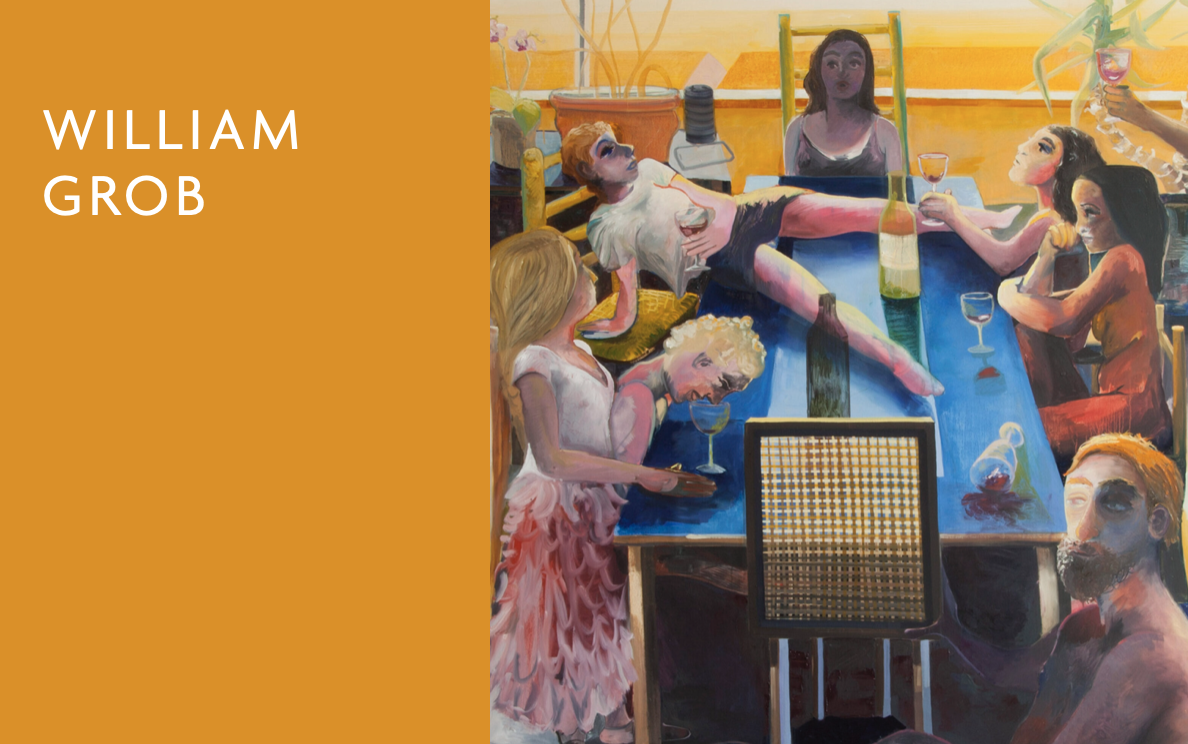
 ‘Delaying time’. I made this in September 2021 berlin, the time between good weather and bad, when a down pour could be imminent. Which as a metaphor fits into life pretty well. The scene was inspired by a lake trip to Müggelsee. With a crack of thunder, without the rain to follow, long stretched naked bodies all sitting upright now like a meerkat on guard, waiting for the inevitable to happen.  

Something in the future you hope to explore?

Space within the paintings. To have the confidence to leave huge areas with flats and not feel the need to fill them with ‘subjects’ 

Posted on

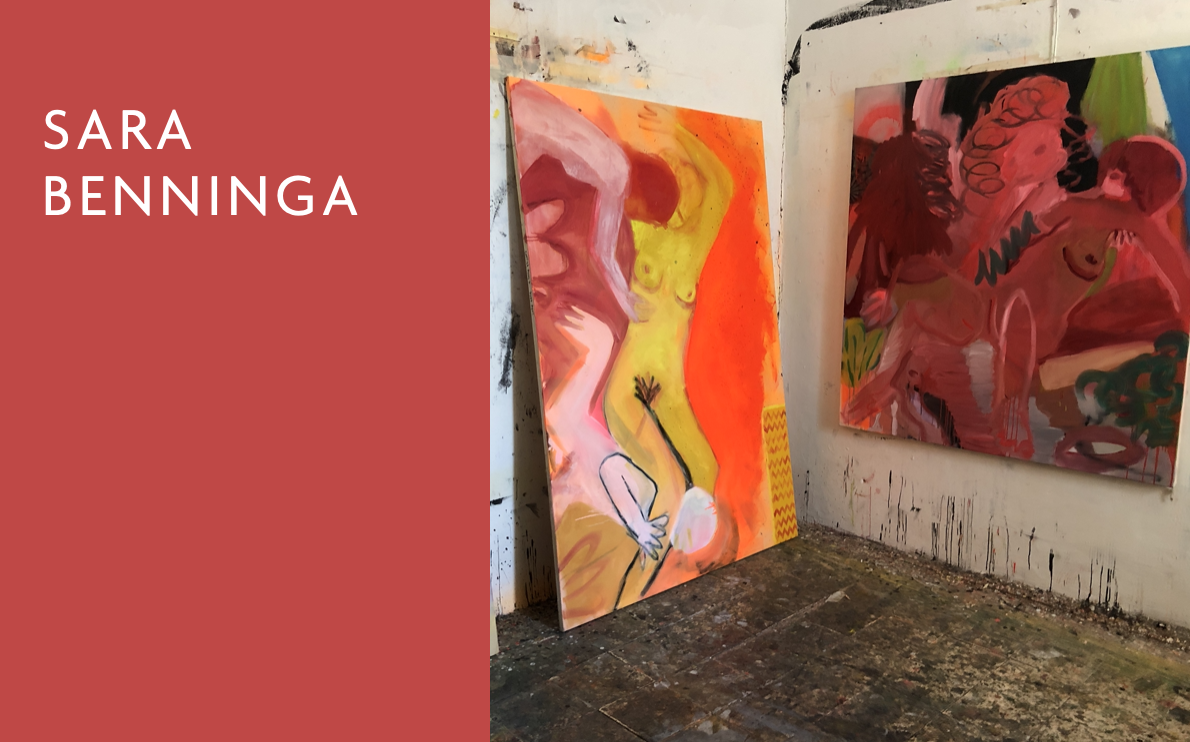
In the Studio with Sara Benninga

In the studio with Sara Benninga, an Israeli contemporary painter whose practice focuses on the human figure and narratives. We met with Sara to tell us more about growing up in Israel, their greatest influences, and unexpected sources of inspiration.

When did you first begin to see yourself as an artist?

In the past few years.

Where are you from and what was your upbringing like?

I was born in Israel to immigrant parents. They came here in the 1970s from the US (though my father was originally Dutch). My parents had certain ideals and values, like the importance of family, of working, of education, but they didn’t know how to talk about feelings. I think this is a characteristic of a lot of my generation (born in the 80s). Also, it could just be something that happens between parents and children – the gap between the generations. It’s very frustrating. As a child there were many times I didn’t understand what I was seeing or understood something I couldn’t see. This brought to my attention that seeing is not automatic, and neither is meaning. There is a real question regarding what you see and what meaning or interpretation you give it. This is still a big question for me.

Paint us a picture of your artistic journey. What inspired you to first pursue, and then continue to practice artistic work? 

I always drew and painted as a child, but then at some point I stopped. I returned to painting as an adult during a study year in Freiburg. I had a serious medical occurrence, and after I got out of the hospital I went and bought some oil paints and canvas. Painting creates a connection between the body and the psyche, and for me it was a way to touch something that I couldn’t see. On the one hand it is a very physical action, especially if you like to paint on big canvases, like I do, and on the other there is always the mental process of deciding what to paint or if you want to paint over something, or what colors to use and so on.

When I was in Freiburg I was studying art history, which is what I started studying at university. I was completing my MA. After I returned I enrolled in Bezalel art academy, and studied art and painting. When I finished the academy I rented a studio and started working. So, I’ve been painting in the studio for ten years now. I don’t think I’ve had one pivotal moment. I’ve had a few. With painting it is an ongoing process. I paint and paint, and at some point I feel like something has to change, or I try out an idea I had and say – look – this is a direction I’d like to develop. And so, my painting also changes. It is alive, and reacts to my life, and also, of course, to the studio process which is always developing.

I have found that exposing myself to different techniques gives new perspectives to painting. So, I’ve learned different kinds of print – etching, silk screen, and just recently woodcut. Each one of these makes me think anew about painting, and I love that.

What’s the message of your work? Where do they come from? 

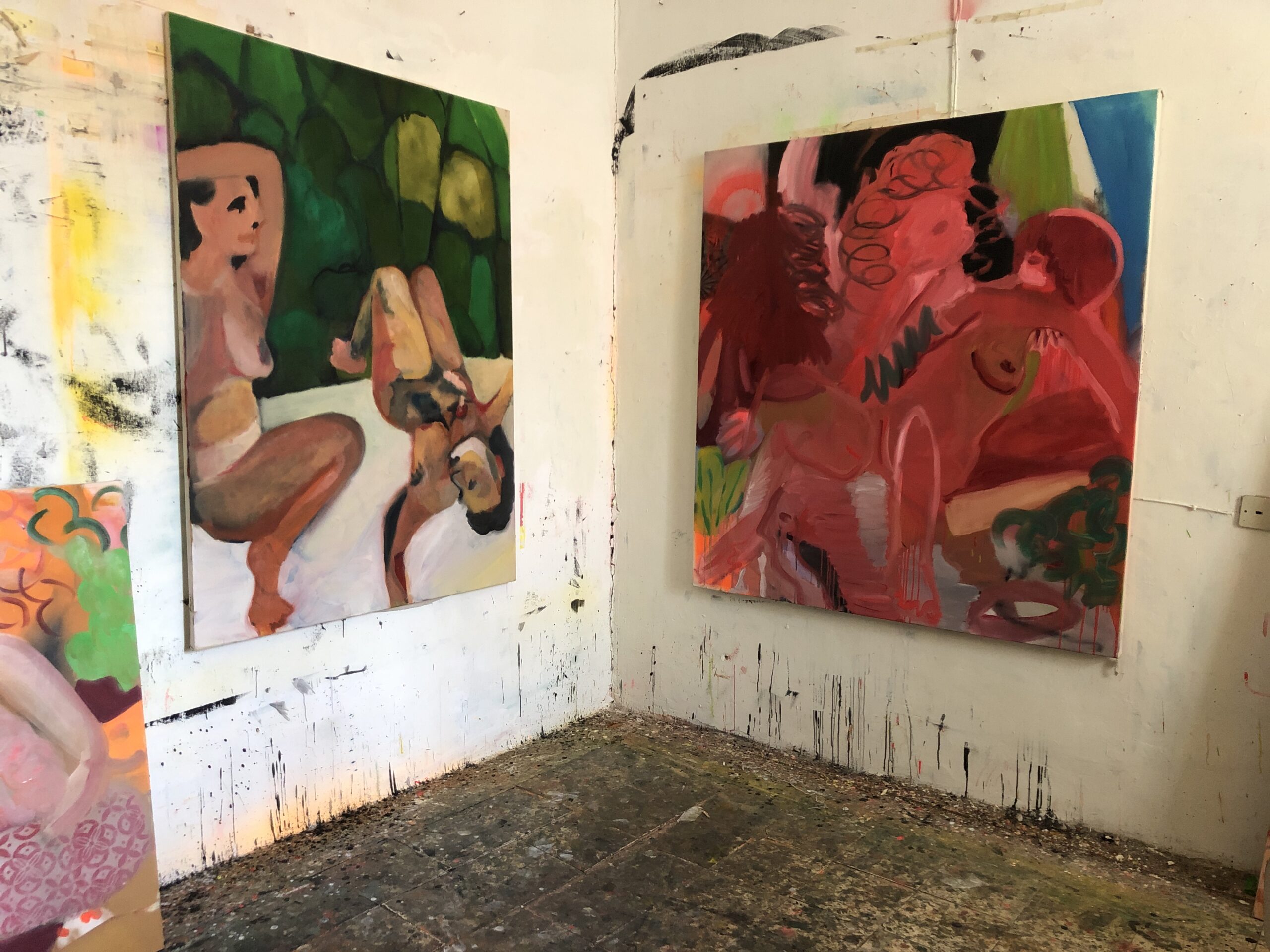
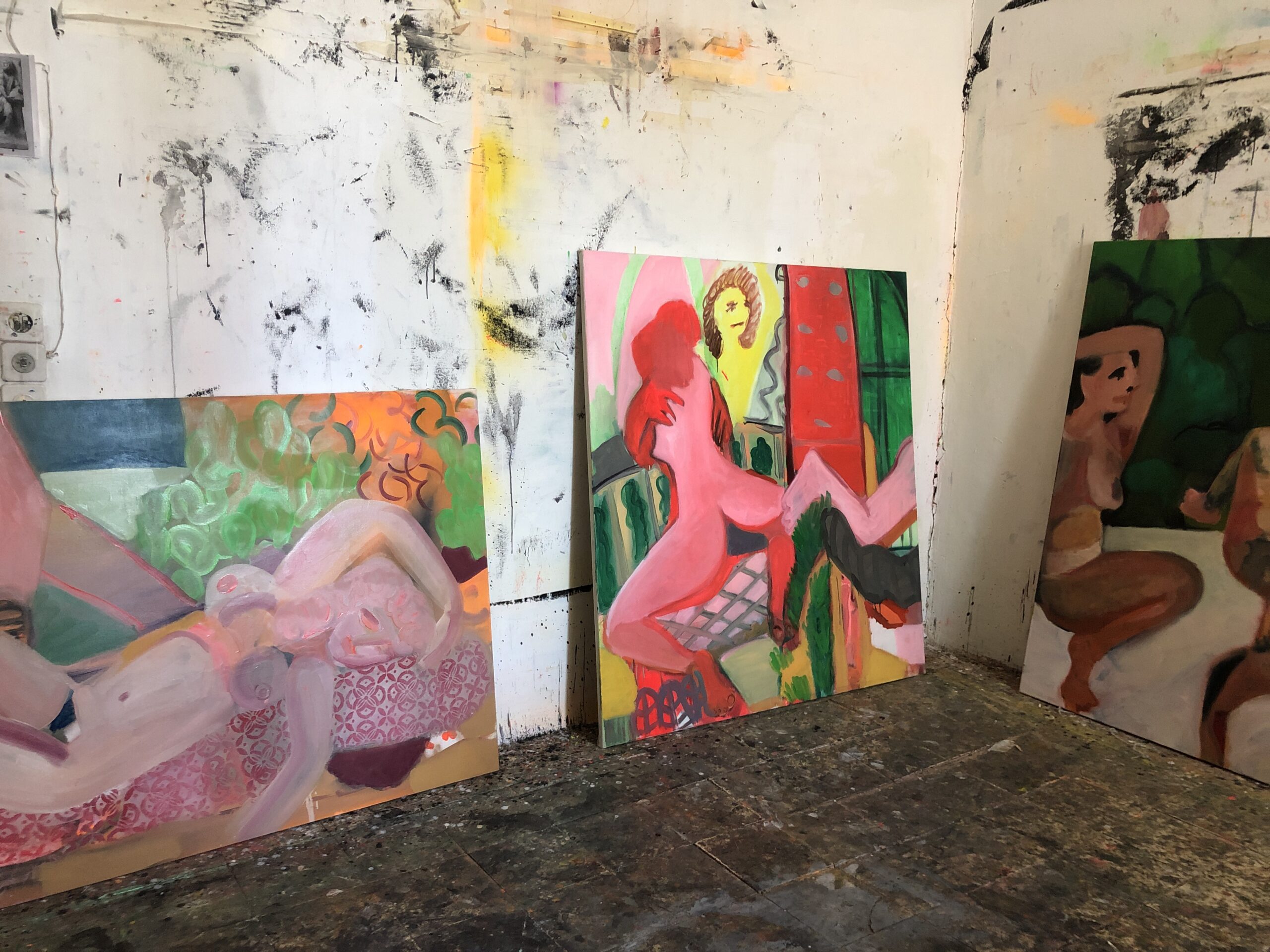
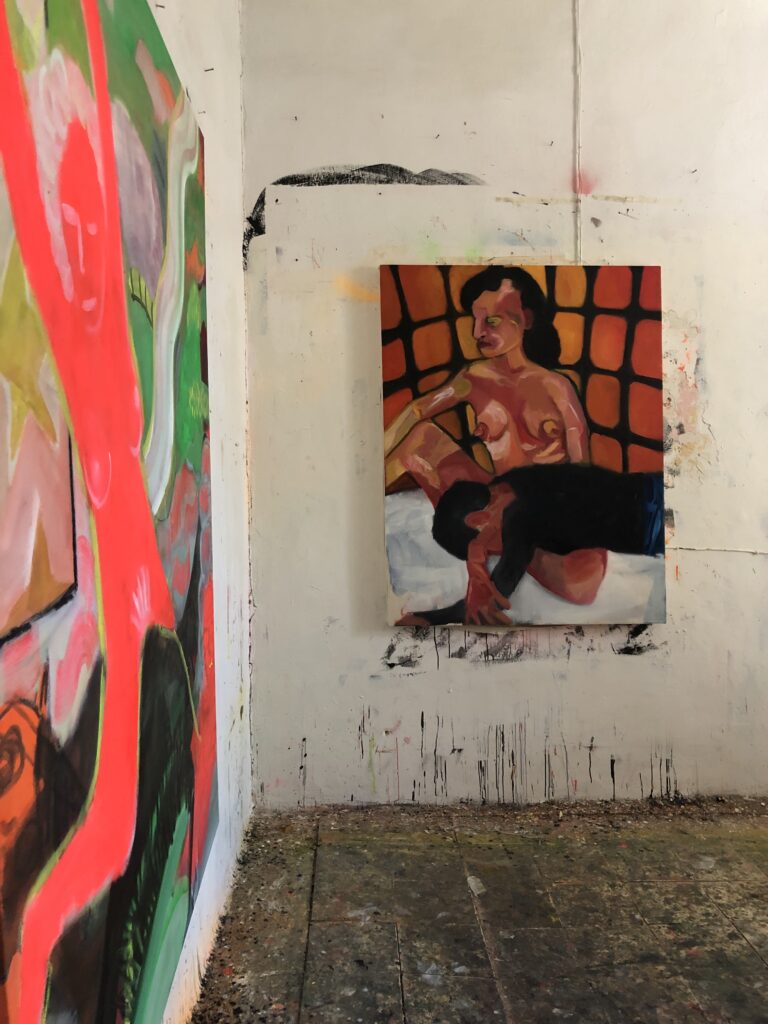
The themes I work on touch on social relations, female sexuality and psychological angst. I work both intentionally and experimentally. When I started working in the studio, after art school, I focused on the subject of the family for a while. Many of the paintings I made between 2012 and 2017 were of my family, my parents, episodes I remembered, or dreams. Then I moved on to other themes, such as the Bacchanal and the pleasure garden on which I am now working. However, I usually don’t work on one theme alone. I try not to limit myself when it comes to painting. If I have an idea I want to pursue, I do it, and then it changes and something else is born. I might be working on a couple of paintings at the same time, or one or two may be set aside after the initial “moves” on the canvases. I have to let time do its thing.  A painting is also about feeling it – I mean – what works on the canvas, how it feels over time. So, there is always a chance to change a painting until it leaves the studio, or until I photograph it – then I usually draw the line (though not always).

The themes themselves come from my experiences and also from cultural and art historical subjects. I also have lists of things I’d like to do, and sometimes I’ll return to this list and pick something – and go from there.

My aesthetic is a synthesis of planned and arbitrary painterly gestures and actions, so, wild and cultured together. I use color patches and lines, patterns sometimes. It’s important to me to create a presence on the canvas.

Who & what are your greatest influences?  

I love Philip Guston’s painting and Paula Rego’s.

I love the intensity of German expressionism, such as Kirchner and more modern artists related to this style – such as Beckmann and Baselitz, but another great source of inspiration is Matisse and the way he simply turns figures and surrounding into harmonious patterns. 

I am very inspired by Dana Schutz and her gestural, narrative paintings, by Katherine Bradford and her figures that are on the verge of abstraction, David Hockney, especially his early paintings, Neo Rauch too. And also Miriam Cahn, who manages to paint a human tenderness and vulnerability. 

I also love to look at early modern painting and see how narratives and meaning are constructed there, from Giotto to Tintoretto to Rubens. I find it amazing that basically, because we are human, we like to make stories, even when they make no sense. Or that actually the sense is found in the story we make from what we see.

On that note – I also look at antique sculpture and reliefs.

An unexpected source of inspiration?

I like to use patterns in my paintings, so many times I take photos of floor tiles with geometrical or floral patterns.

What do you want people to take from your work when they view it?

I want people to be enticed by my paintings. I want a viewer to be caught in the enigmatic instance of the painting. This “catching” is not related to the subject, it is more of a question that arises from the painting itself – what am I looking at? How can that story be told? Why is it told in this way? In the end the viewer has to tell him or herself what is going on, but my part is to present this catch. I like to obstruct things in my paintings, and then fix them. Some paintings are difficult, some come more easily.

I don’t know my audience yet, but I want to have one.

Mostly I create within my studio economy. I make work based on my needs, and things I want to develop out of my painting. One work may lead to another. I try not to judge and over think this process.

What events in your life have mobilized change in your practice?

I always feel that my mental state is the real catalyst for change in my painting. Painting is based on how I see. The question I have in front of me is how to push my boundaries. The moment I am locked on something, even if I don’t want to see that way anymore, even if I am looking for a way out, it takes time. So, there are times in which I say to myself – I don’t want to paint like this anymore. I want more from painting. This usually is a point that leads to change.

Some life events that have mobilized change in my practice were the death of my father and my first solo exhibition – which showed me I could be heard in some way, or that my painting can have a resonance.

I do experiment. For instance, I try starting a painting in a different way, or changing the gesso I work with, starting with an acrylic layer before the oil, or adding new sizes of brushes, and so on.

What are your ideal conditions or catalyst for creating a “good” piece of work?

The best catalyst for creating “good” work is the rhythm of work in the studio. Painting is all about praxis for me. Some of my best paintings could not exist without the other works which were created before them, and maybe are “less good”. In this sense there is no such thing as a “good” painting. Sure, in terms of the critique or audience there might be, but in terms of my practice – it includes it all – the good and the bad and the in between. This is part of life. Nothing is always good. I try to remember that.

Tell us the inspiration behind your works?

Carried Away – I am interested in the idea of being carried. I used to like to lean on people – well – lean on my partner – for instance. As if I were tired, and had to be carried. So, the woman being carried by two figures – she is inspired by this feeling. It is also a question of boundaries – think of the phrase – “carried away” – it can be meant literally, but it can also mean overstepping one’s limits, getting carried away (another tendency I have). So what is it?

Something in the future you hope to explore?

​​I want to explore and develop the question of scale – larger figures, larger canvases. Right now the figures are as big as me, more or less.

Another point of exploration is painting on linen, which I have just started doing. The color of the linen, and its rougher texture, change a lot in a painting. I also want to experiment with different painting tools. I already use different sized brushes, and have another few kinds of tools lined up.

And there is a list of subject matter that I look forward to developing. Things always take more time than I suppose at the beginning.

 
Posted on

In the Studio with Livia Carpineto

In the studio with Livia Carpineto, an illustrator whose visual practice is driven by the potential of delving into a kind of collective imagination, shaped upon art and life, resonating with both personal and shared stories. We met with Livia to tell us more about growing up in Rome, their greatest influences, and unexpected sources of inspiration.

When did you first begin to see yourself as an artist?

The decision of embracing my passion for art represents a commitment to my creative self. As I decided to dedicate myself to my artistic practice, I saw this as an act of loyalty towards my inner joy and desires, and as a way to challenge myself to a greater extent. It was after I started feeling such a strong sense of commitment and passion towards art that I also began to see this as part of my identity. 

Where are you from and what was your upbringing like?

I was born and raised in Rome, Italy. Rome is a fascinating and nostalgic city, a bridge to the past. I grew up engaging with the art and history that surrounded me in my everyday life. This has shaped me and inspired me greatly, in ways that I am still progressively discovering as I continue to grow as a creative and individual. 

Paint us a picture of your artistic journey. What inspired you to first pursue, and then continue to practice artistic work? 

Since I chose classical studies at school, I didn’t have any art classes. However, I used to obsessively scribble, entertained by the narratives that would spontaneously unfold in my head as I was drawing. Therefore, I decided to attend an evening illustration class in Rome during high school, where I shared my work for the first time with other creatives. The passion and enthusiasm was really contagious, and I began to feel like there was purpose in my work. Soon after, I moved to London to study illustration, first at Camberwell College of Arts, and now at the RCA. 


What’s the message of your work? Where do they come from? 

Through drawing, I aim to give shape to my inner world, and make my perspective accessible to others. It is primarily a means for communication and self-expression. I am particularly interested in portraying the feminine, by constructing, and deconstructing archetypal characters. My inspirations are varied and mutable, but I believe that what truly fascinates and speaks to me on a deeper level will stay through time and become part of my personal visual and poetic domain, like the tiles of a mosaic. Marvel, memory, and resonance guide me in selecting my influences. I would describe my aesthetic as baroque, gothic, oneiric, grotesque at times, and generally vintage, and cinematic. 

Who & what are your greatest influences?  

Classic, Medieval and Renaissance painting and iconography. Kitsch and grotesque motifs. Short stories, as they can be extremely visual as a literary genre, as well as silent, illustrated narratives. Mythology and folklore. Cinema, gangster, and western films because of their subtly fabled quality, and their archetypical plots and characters. 

An unexpected source of inspiration?

Souvenirs, mementos and funerary art. 


What do you want people to take from your work when they view it?

I aim to create images that might be felt at once remote and familiar, inspired by a personal, and yet universal, symbolic network of associations. I hope that my audience will spontaneously resonate with the work, and simultaneously feel surprised, and intrigued by it.  

What events in your life have mobilized change in your practice?

Moving to London from Rome to study art has definitely made an impact on my practice. Experiencing a change of setting, and travelling, has inspired and challenged my creative perspective. Additionally, discovering new tools and techniques has allowed me to broaden my practice and acquire confidence in my ability to communicate using a personal, and specific language through drawing. I try to balance experimenting with refining my skills. I like to gradually incorporate new elements into my process, while mastering my preferred techniques. 


What are your ideal conditions or catalyst for creating a “good” piece of work?

Maintaining a fresh perspective throughout the process, favouring a spontaneous approach rather than a rational, and rigid one. Researching, sketching, experimenting with layering, composing, and associating different elements allows me to make precious incidental discoveries.

Tell us the inspiration behind your works?

‘When the Ball Fell Beyond the Fence’ explores themes surrounding the ambiguous

nature of the garden, seen as an ethereal,and yet dejected, place and as a theatrical environment, where enchantment and fiction join decay. The ball accidentally thrown beyond the fence becomes the narrative expedient to temporarily escape into the dreamlike garden scenery. Fantasy is a glimpse of chance, mystery, and desire in the eyes of the viewer/intruder, depicted in the image.

Something in the future you hope to explore?

In the very next future, I plan to experiment with scale and texture, reproducing my artwork on a range of new materials.

 
Posted on

In the Studio with Isis Davis-Marks

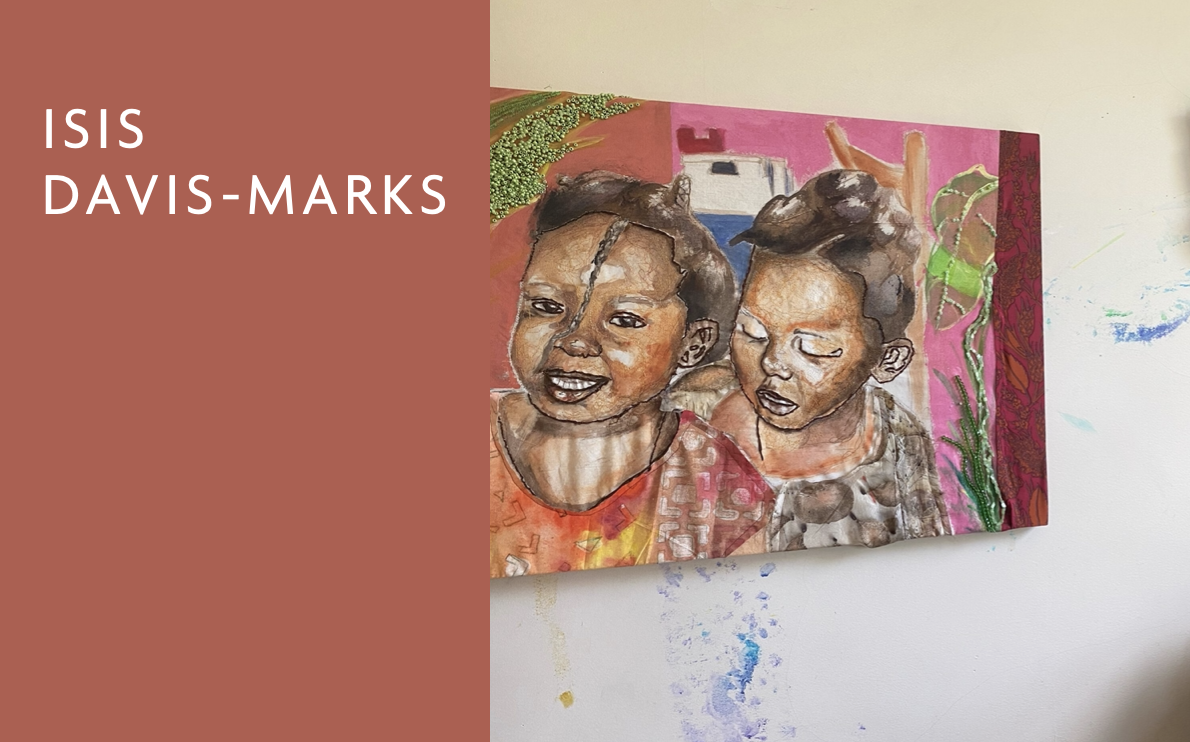
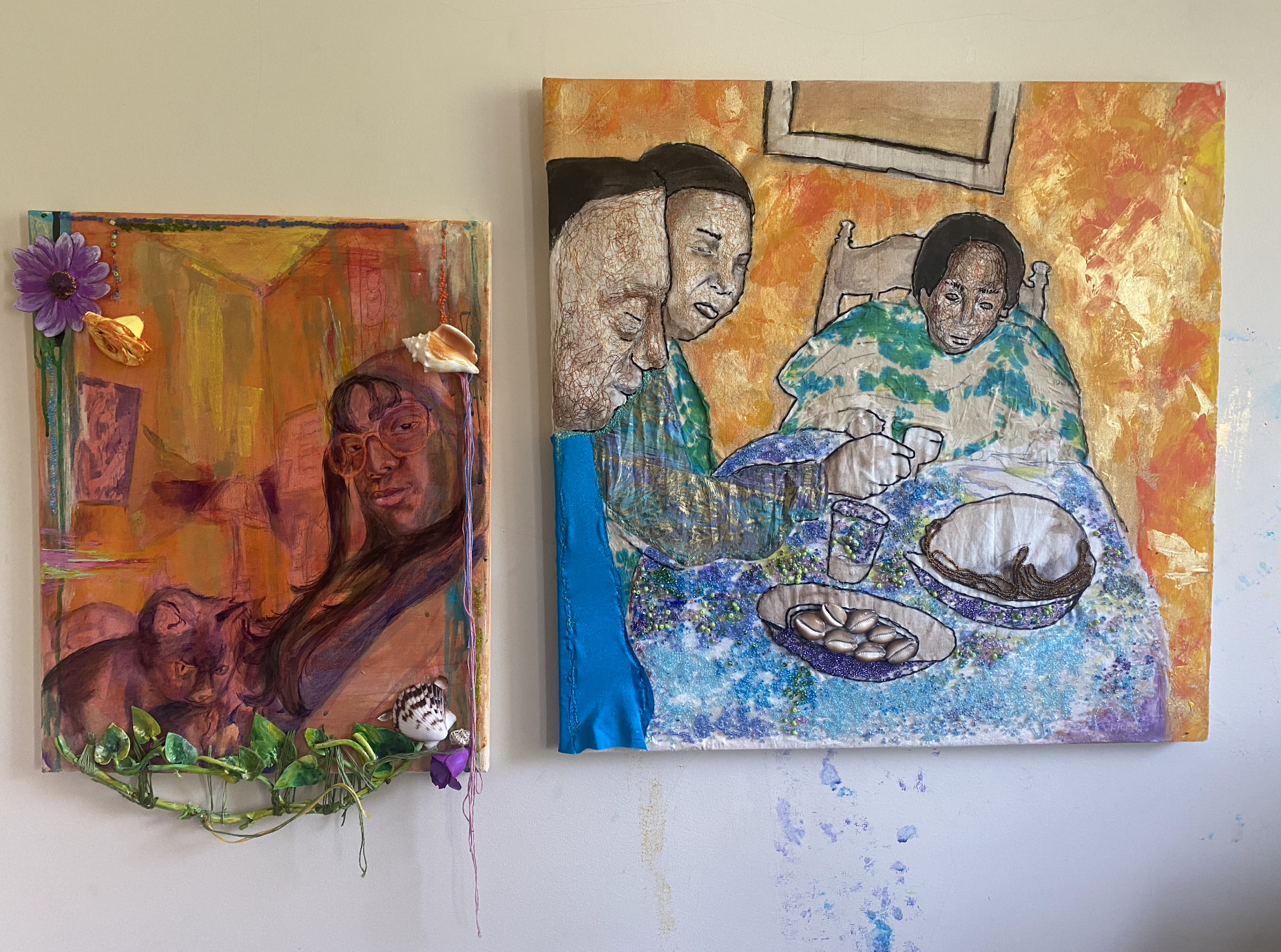
In the studio with Isis Davis-Marks, whose work uses different media and she’s especially interested in how her personal experiences relate to politics and philosophical theories. We met with Isis to tell us more about growing up in New York City, their greatest influences, and unexpected sources of inspiration.

When did you first begin to see yourself as an artist?

I think that I’ve always seen myself as an artist: For as long as I can remember, I’ve been making things with my hands. When I was a child, I used to make a lot of pocketbooks out of paper, and my great aunt taught me how to sew on a machine when I was around five years old, so I began making clothes, pillows, and blankets at a young age. I also took painting and drawing classes at places like the 92 Street Y and the Art Student’s League throughout my adolescence.

In spite of my early exposure to art, I didn’t think that I’d pursue anything artistic as a career until recently.  However, when I went to college I decided to take a drawing class during my freshman year. My great grandmother died around this time, and I found that spending time in the studio was something that invigorated and inspired me—I appreciated that art making felt more intuitive and physical than my written coursework. I liked to supplement my academic research with studio time; it felt like a balance between the body and the mind or the Apollonian and the Dionysean, in the words of the German philosopher Fredich Nietzsche. I feel that I’ve maintained a studio practice since then, and I see art as a way for me to work through issues like ancestral communication, archival research, and personal experience.

Where are you from and what was your upbringing like?

I was born and raised in New York City, a place filled with visual art and cultural institutions. I feel very lucky that my family introduced me to art when I was a child—I’ve been going to museums, galleries, and cultural events in New York since I was an infant. When I was a child, my grandfather also took me to museums around the city including the Metropolitan Museum of Art, the Met Cloisters, the Frick, the Guggenheim, the Whitney, and the Museum of Natural History. My great aunt was also a collector, so I also had art in my home. And my great uncle played for this avant garde jazz band called Sun Ra. I have a half sibling, but I grew up as an only child, so I also spent a lot of time alone making things and looking at content on the internet, which influenced my aesthetic because I often blend text with images, something that is very endemic to internet culture. 

Even though I grew up immersed in images, I didn’t consider working in the arts because the art world was still very white and rich, so I didn’t think that I’d ever have a job within it. I grew up with a single mother in the South Bronx, and I went to public schools until college, so art school seemed like it was reserved for rich white people on the Upper West Side—not me.  However, around 2014 or 2015, movements on the internet like the Art Hoe Collective made me realize that it might be possible to make art into my career, and conversations about accessibility made me feel more hopeful that the art world would become more democratized. I try to prioritize things like racial and gender inclusion in my work, and I also try to make it as intersectional as possible.

Paint us a picture of your artistic journey. What inspired you to first pursue, and then continue to practice artistic work? 

As I mentioned in the previous question, I feel that art has always played a role in my life, but certain events definitely called me to spend more time on art making. I think that many of the classes I took in college helped me see what it was like to have a studio practice, and I continued to follow my passions from there. I also began freelance writing for Artsy after college—having a job in the art world certainly helped me become immersed in it and encouraged me to continue making work. 

What’s the message of your work? Where do they come from? 

I think that my work often blends personal narratives with wider political themes. I used to make my work more overtly political, but I feel that my pieces became more introspective during the pandemic, and I began to focus more on objects and people around me. I feel that as a Black artist, my work is often racialized even if I’m not necessarily trying to do that, which is also why I make abstract pieces, landscapes, and still lives in addition to portraits. My aesthetic is layered and multimedia, as I often incorporate different materials and textures into my work. 

Who & what are your greatest influences?  

Orchids. Plants. Leaves. Food. The smell of salt on the beach. Gustav Klimt, Alexander McQueen, Adrian Piper, Andy Warhol, Leonardo DaVinci, Michelangelo, Titian, Artemisia Gentileschi, Henri Matisse, Tschabalala Self, Sophia Narrett, Suchitra Mattai, Erin M. Riley, Faith Ringgold, Mark Rothko, Helen Frankenthaler, Alma Thomas, Edward Hopper, Francesca Woodman, Diane Arbus, Gregory Crewdson,  Hilma af Klint, Noah Davis, Jennifer Packer, Ambrose, Qualeasha Wood, Lena Ruth Schwartz, Igshaan Adams, and many other visual/ textile artists inspire me. I’m also deeply moved by films and video art: Growing up, I loved Hayao Miyazaki’s movies, and I especially loved Spirited Away. I also like the way that David Lynch uses blue light in his work. Music is similarly important to me, and I listen to many different genres of music from classical to pop to jazz to disco to techno. Recently, I’ve been playing a lot of Alice Coltrane, Sade, and ​​João Gilberto—I often share the songs that I’m currently listening to on my Instagram stories.  

An unexpected source of inspiration?

I’m also an arts writer, so literature is a big source of inspiration to me. I mentioned Nietzsche earlier, but I also like reading Egyptian and Greek mythology, and I think that the Orestia is one of my favorite Greek tragedies. I’m also inspired by various stories from religious texts like the Bible and other oral histories from the Yoruba tradition. In terms of more modern literature, I like the imagery and sensory details in the works of Toni Morrison, Jean-Paul Sartre, Zadie Smith, David Foster Wallace,  Zinzi Clemmons, Elif Batuman, Ottessa Moshfegh, Joan Didion, and James Baldwin. I also like listening to gregorian chants—this may be a more unexpected source of inspiration. 

What do you want people to take from your work when they view it?

I believe that art is about visceral experiences. We often have physical reactions when we feel things. I try to tap into this with my visual practice. I want people to become fully immersed in a scene or alternate world when they view my work, which is why I make it so tactile and multisensory. I try to use formal techniques involving color theory, sewing, composition, and brushwork to achieve certain effects.  I’m interested in pushing the boundaries of what does or does not get considered fine art, and how what we consider “art” is often influenced by racial or gender markers. I think that I’m aware that an audience exists when I’m making work, but I do feel that I’m at my strongest when I’m unconcerned with an audience. 

What events in your life have mobilized change in your practice?

I feel that the past three years have drastically shifted how I view the world—the pandemic forced many of us to change the ways that we interact with one another, and it also highlighted the ways in which we are dependent on others. This event made me more introspective and more comfortable being alone, which helped me to spend a lot of time in the studio by myself and hone my current practice. It also made me reflect on themes like globalization, public health, and essential work. I also had a string of family deaths during this time, so I went through some personal changes as well, which made my work become a lot softer and more attuned to interpersonal relationships as opposed to grandiose statements. I began to look inward, to process how these things were affecting me. Other major events like 9/11, the 2008 recession, and the death of George Floyd  have also had a profound influence on my work, and I think it’s impossible to separate contemporary art from the social and political context that we live in. 

What are your ideal conditions or catalyst for creating a “good” piece of work?

I need the time and space and energy to make a good piece of work—I think that we’re living in an era of hypercapitalism and that we’re constantly expected to produce things, but I also believe that rest is important and that good work takes time. Finding a work/ life balance is something that I’m still striving towards. I feel that I make my best pieces when I’m able to readily react to my emotions and make work for myself. 

Tell us the inspiration behind your works?

The piece “My Mother Reclining” draws from photographs that my grandfather took before he died.  I’ve been working on a body of work after his death, and I’m trying to draw from both familial and historical archives to create a series of objects, paintings, and installation pieces to tie his death to broader ruminations about grief, societal mourning, and African funerary practices.

Something in the future you hope to explore?

I want to make video work in the future! I’m also a writer, and I care about music a lot, and I also love lighting, so I think that video work would be a great way to combine my myriad interests. 

 
Posted on

In the Studio with Maiko Kikuchi

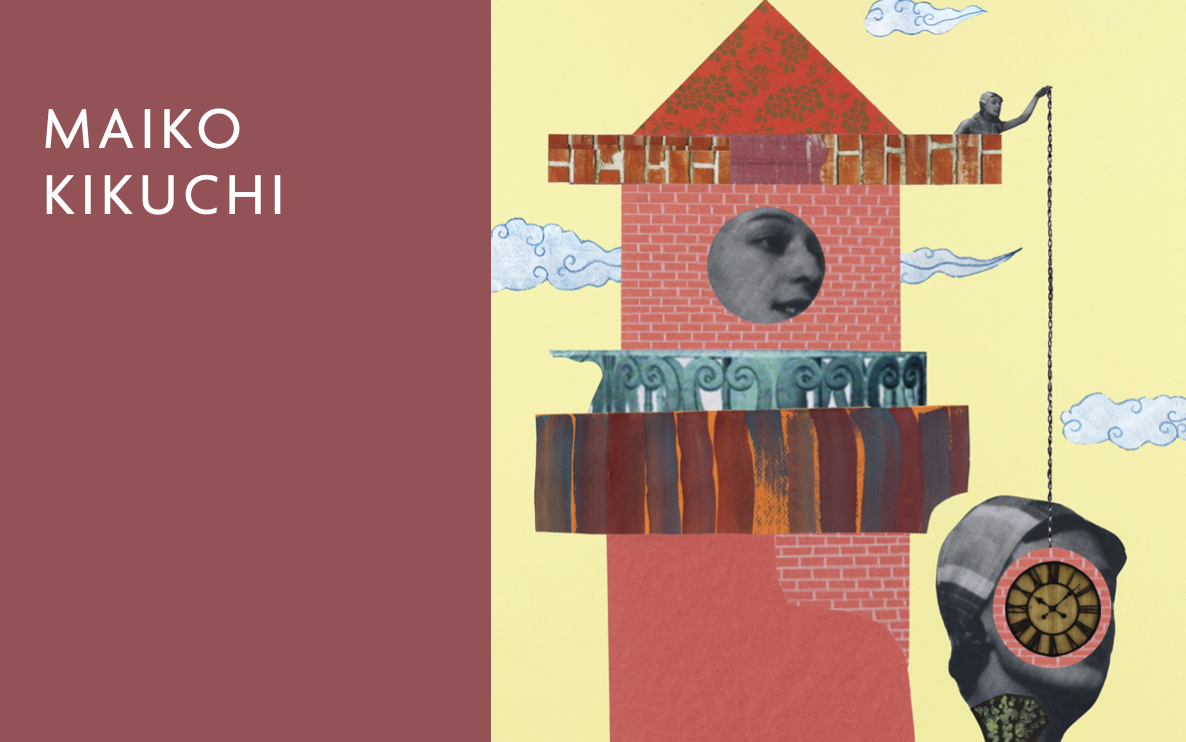
In the studio with Maiko Kikuchi, a multi-disciplinary artist whose practice is Influenced by her psychoanalyst father. We met with Maiko to tell us more about growing up in Japan, their greatest influences, and unexpected sources of inspiration.

When did you first begin to see yourself as an artist?

In 2015 I sold my first drawing to someone who I didn’t know. I was moved by the fact that the person appreciated the work just by itself. That was a defining moment for me. 

Where are you from and what was your upbringing like?

I was born and raised in Japan. My father is a psychoanalyst and he often brought me to his office when I was a child. he had a big wooden box filled with sand and tons of miniature figures displayed on a shelf in his office room at that time. That was there for a type of children’s therapy called “Sandplay therapy” a method by which the doctor was able to analyze a child’s unconscious thoughts by the miniature world they created with the toys on the sand landscape inside of the box. Every time I went to his office, I was so into making my little world inside of the box. They are all the elements of this real world but depending on how you place them, the world becomes unusual and that made me imagine all the different stories behind them. That experience influenced me in my creating process.

Paint us a picture of your artistic journey. What inspired you to first pursue, and then continue to practice artistic work? 

Making a visible daydream is the coherent purpose for my creation. I define daydream as another world that a human can bring their imagination to their reality so it can exist on the boundary between the “Usual” and “Unusual”. Most people must have been living in their own daydreams when they were kids. I remember myself was there and always imagining like “what if when I turn the corner then there is a giant elephant standing in front of the super market today?” and also I believed I was able to be a pink bunny when I grew up. Those daydreams made me terrified, excited, fascinated, and feeling free. Somewhere down the line, I started living in the world based on common sense. In that world, there is no big elephant in front of the supermarket and of course, I can’t be a pink bunny. 

The first time my “Of course” got cracked was the time I moved in US. my language was not a communication tool anymore and the size of the food was five times bigger than the food on my plate in Japan. Surrounded by the big buildings and people who’s speak I could not understand made me feel as if I was a tiny child, fixed upon the boundary between my usual and unusual and I recall that feeling I used to feel. That made me realized that I can still experienced that feeling again even though I grew up. Then I started to wonder if I can give this experience to others through my creation.

Who & what are your greatest influences?  

My father. 

An unexpected source of inspiration?

Music. I’m not a musician, but since I started to make animated music videos for musicians, I always got inspiration from their music that I couldn’t come up with before hearing it.

What do you want people to take from your work when they view it?

My purpose of creating daydreams is making an audience experience the feeling as if they were watching it through a window.

What events in your life have mobilized change in your practice?

Moving to US was a one of the biggest mobilizers. Another was knowing puppetry and starting my career, not just as a visual artist, but also as a theatre artist. Theater performance allows me to broaden my expression of daydreams.

What are your ideal conditions or catalyst for creating a “good” piece of work?

I believe good work is always created when I see it’s clear vision in my mind before I make it. 

Tell us about the inspiration behind one of your works?

Inspiration for a work called She Sells Seashells In Her Dream:

This work is inspired by a famous English tongue twister:

She sells seashells by the seashore, The shells she sells are seashells, I’m sure. So if she sells seashells on the seashore, Then I’m sure she sells seashore shells.

I like tongue twisters because it’s nonsense and that nonsense gives me room to imagine. “Where is the seashore? Who is she?” I made this work as if I collaged the pieces of a dream on this imaginary seashore.

Something in the future you hope to explore?

Using paint and collage I create still moments of the daydreams; on stage as performance, I use visual, sound, and object manipulation to “animate” them. As I express my ideas using these methods, I often feel there is some sort of wall separating the theatre performance and visual artwork. I always wonder if there is any way that I can break through that wall. 

So, I started dreaming about how to create a thread between these two different presentations in order to make them one continuous project. Performing in a gallery, and live, on-stage painting have been done before and are a staple of the visual art community. I’d like to go beyond that separation to bring together these two forms of artistic expression into one.

Posted on

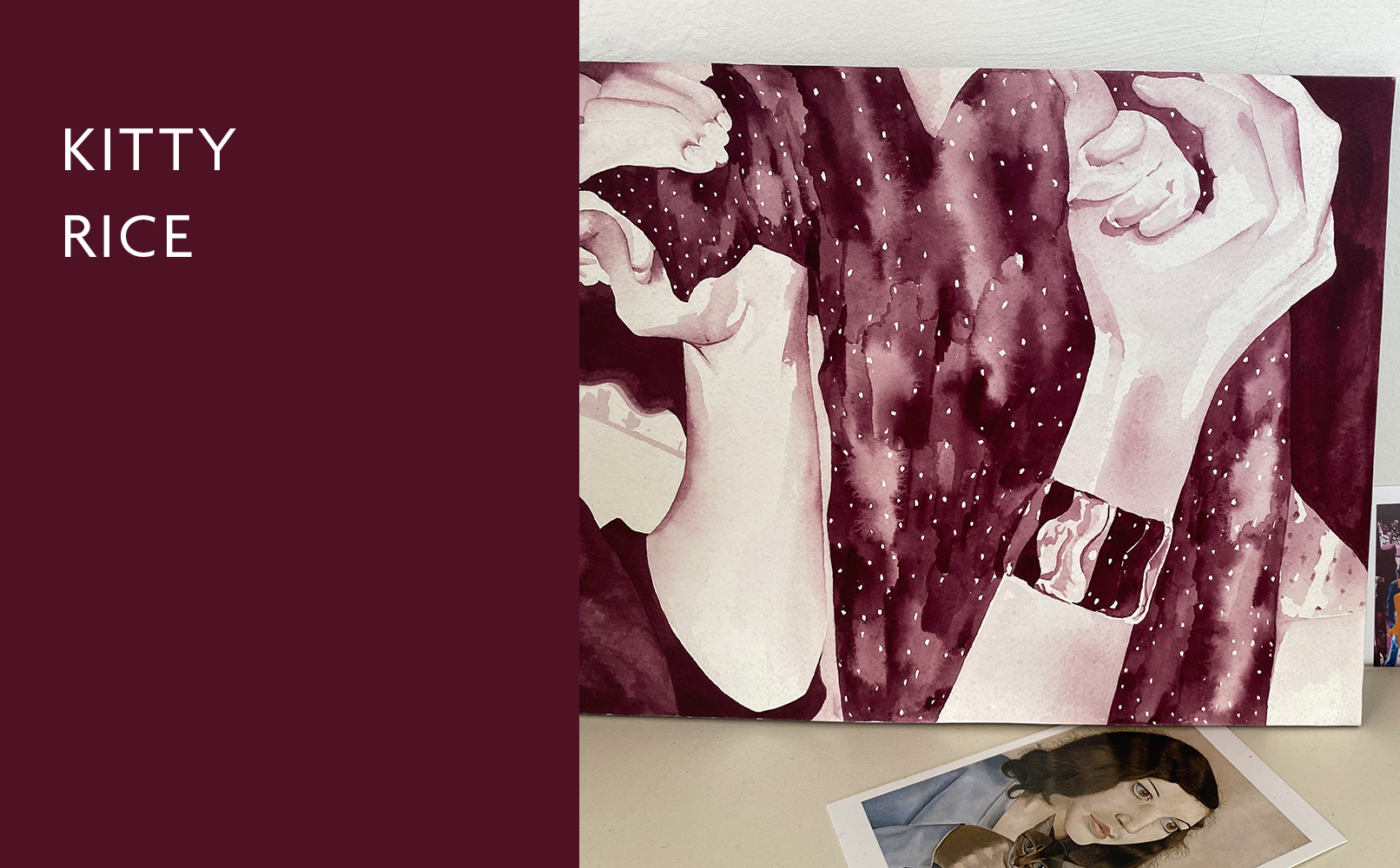
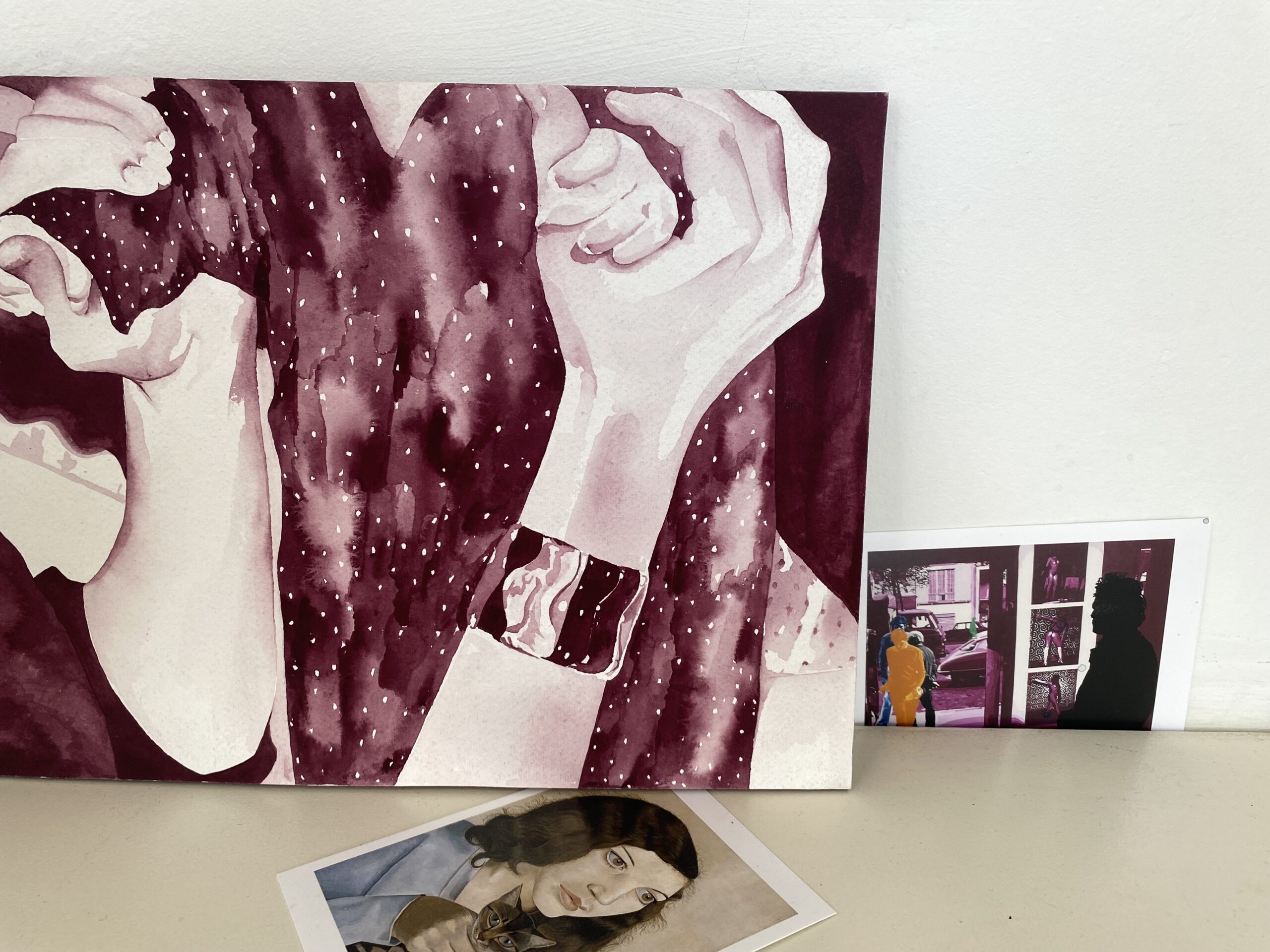
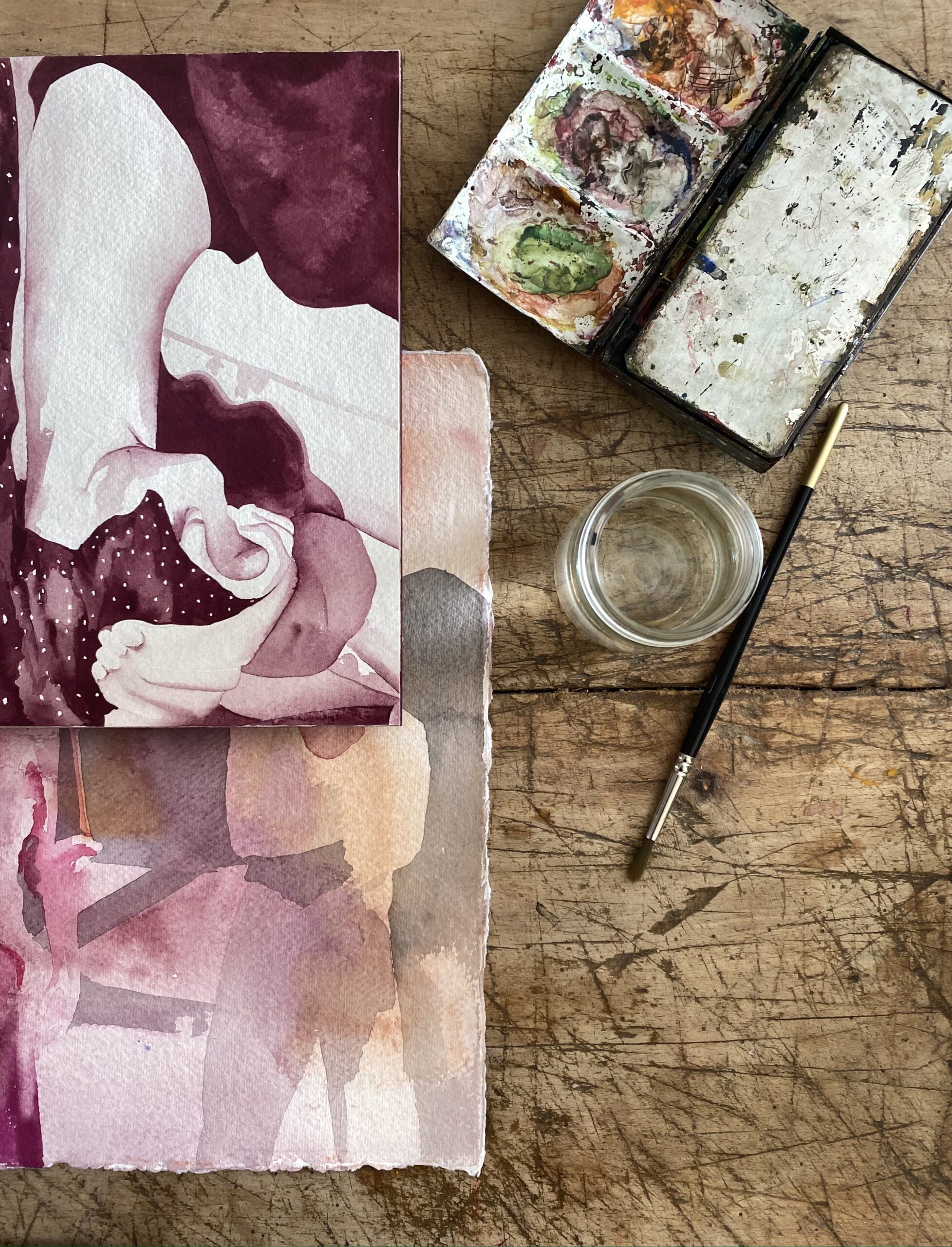
In the Studio with Kitty Rice

In the studio with Kitty Rice, visual artist whose works are inspired by Edward James' Surreal Folly in the state of San Luis Potosi. We met with Kitty to tell us more about growing up in a family with lots of women, her greatest influences, and unexpected sources of inspiration.

When did you first begin to see yourself as an artist?

I’ve always felt like an artist, since being a child. I used to pretend I was ill for school so I could stay in bed drawing and I always loved playing exquisite corpses.

Where are you from and what was your upbringing like?

 I grew up in a family with lots of women, in a pretty idyllic rural life. My older sister and I had a lot of time and space to develop creatively. We used to imagine being adults, holding our dolls and pretending to smoke cigarettes in our thatched gypsy caravan. 

Paint us a picture of your artistic journey. What inspired you to first pursue, and then continue to practice artistic work? 

I was taught to paint as a child, so art has always been something I’ve done. I studied illustration and then moved to Mexico City where I was very influenced by the european, female surrealist painters. I suddenly felt I could paint more imaginatively, especially being so far from familiarity and in a totally different surrounding of light and colour.

What’s the message of your work? Where do they come from? 

I’m interested in asking questions about femininity and memory. I am haunted by images of my childhood, imagining an adult world of womanhood through a playful visual world of innocent imagery.

Who & what are your greatest influences?  

Marlene Dumas,  Lisa Brice, Tracey Emin and Leonora Carrington. 

An unexpected source of inspiration?

VHS stills and toy packaging. Olivia Laing’s ideas on Freedom and the female body. 

What do you want people to take from your work when they view it?

They’re for me, to ask questions to. When people connect, I know I’ve answered some of my questions well.

What events in your life have mobilized change in your practice?

I just completed a post-grad programme at The Royal Drawing school which really encouraged me to adopt multiple approaches and experiment more. 

What are your ideal conditions or catalyst for creating a “good” piece of work?

I am looking for images ; either in my head, through sketches, in front of me in 3D or from a still image. Once I have decide on an idea, I consider the composition, medium and scale. I think about washy pixels , quite photographically, which make up an image and then paint either loosely or very tightly rendered. 

Tell us the inspiration behind your works?

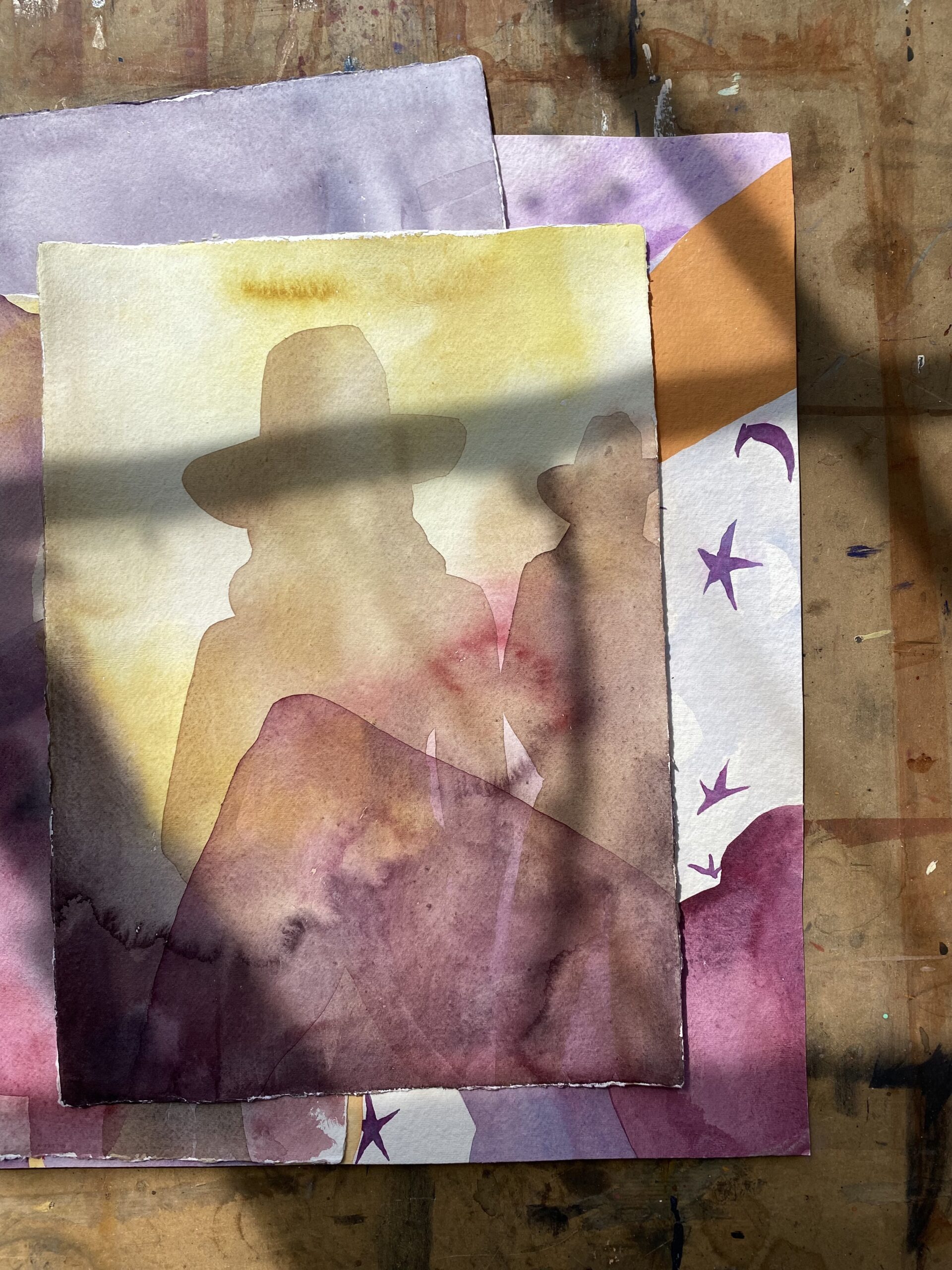
I recently became re-obsessed by a film called Bad Girls which I watched a lot as a child. 

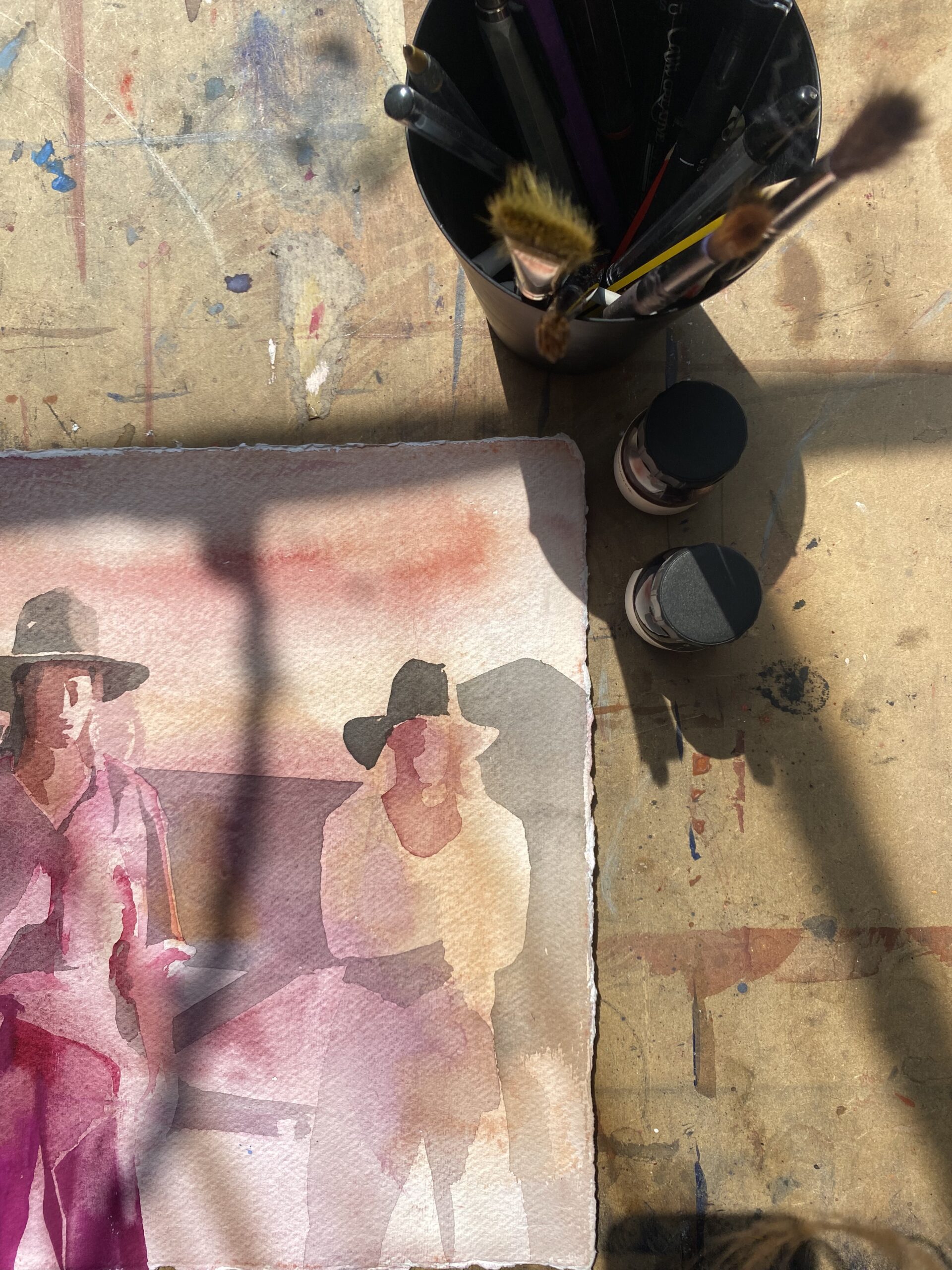
The imagery of the cowgirls reminded me of the longing I had as a girl to become a woman.

Something in the future you hope to explore?

I am interested in painting femininity in varying cultures, to be able to compare the differences and decipher the universalities. 

Posted on

In the Studio with Holly MacKinnon

In the studio with Holly MacKinnon, whose work involves figurative and landscape elements to create dreamy, imagined environments rife with tension and emotion. We met with Holly to tell us more about growing up in Montreal, her greatest influences, and unexpected sources of inspiration.

When did you first begin to see yourself as an artist?

Probably when I got out of university and started painting outside the influence of teachers and classmates.  I don’t have many hang-ups about the word “artist”.  If you create art consistently, that’s what you are.

Where are you from and what was your upbringing like?

I’m from a small town outside of Montreal, Canada, where I lived with my parents and older sister.  The community I grew up in was a mix of suburban and rural; picture lots of woods but also farmland and horses.  I remember wandering through forest trails often, either with friends or my dog or alone.  I think this is at least partly why I like painting forests and plants.  I’m still really drawn to that landscape.  I was a quiet, creative kid.  I played a lot of sports, read books and drew a lot.  I was really lucky.  

Paint us a picture of your artistic journey. What inspired you to first pursue, and then continue to practice artistic work? 

I loved drawing as a kid.  As a teenager, I would take pictures of my friends and try to draw them as realistically as possible.  But even then, I didn’t really consider becoming a professional artist.  In Quebec, we have a school system called CEGEP in between high school and university, and after trying some different things, I landed on the Fine Arts program there.  It allowed me to dip my toe in different media, but when I tried painting I knew that was it for me.  It was the kind of challenge I could keep coming back to.  

I went to NSCAD University in Halifax and I graduated with my BFA in 2015.  I then moved back home.  For years I lived with my mum and used her garage as my painting studio while trying to figure life out, working part-time jobs and applying for any artist opportunity I could.  I think the pivotal moment was in 2018, when I was accepted to my first artist residency in Iceland at a place called Fish Factory Creative Center.  I felt so encouraged, like finally someone had decided I was good enough to take a chance on.  I’d felt lost for a long time.  I spent a whole month painting and daydreaming and reading voraciously.   I made my best work to date there, and I remember thinking that maybe there was actually a place for me in this art world.

So I just kept going.  I made a deal with myself to keep painting whether or not the accolades and opportunities come.  There have been many slumps since then, but I have always been able to find my way out of dark holes.

What’s the message of your work? Where do they come from? 

I’ve never been good at coming up with a concise and satisfying answer, I think because it’s partly intuitive.  But what I can say is this: I’ve always been interested in bizarre, emotional things.  Weird books, sad music, heavy poetry.  Something you can pull your own meaning from.  I’m a very introverted person.  I’m contemplative, maybe a bit serious at times.  All these things come together to make a weird cocktail.  I have certain themes that keep coming up: nature, loneliness, gender, joy.  Sometimes images pop into my head, and often I follow that to see what emerges.  Or I see something that stirs up an idea for a painting.  Throughout the process it evolves, often into something else entirely.
As for the aesthetic, right now my goal is to have both crude parts and sophisticated parts to the painting.  If things get too tight, it’s boring.  If they are too childlike, it’s not as engaging.  So I’m trying to figure out that balance.  Aside from that, I often feel my style is out of my control.

Somebody once described my work as “spooky and tender”, and I’ve always liked that.

Who & what are your greatest influences?  

Peter Doig.  Allison Schulnik.  Kim Dorland.  Margaret Atwood.  Robin F. Williams.  Rae Klein.  Elizabeth Glaessner.  Loren Erdrich.

An unexpected source of inspiration?

Books by Margaret Atwood.  After I read her book Oryx and Crake, I was on fire, both for painting and writing.  The Edible Woman by Atwood also really shook me in the most quiet, subtle way.  Bizarre fiction seems to stir up a lot of ideas in me.

Also, lyrics by The Smiths and Belle & Sebastian.  They deliver very sad and cynical thoughts in an upbeat way.  That’s exactly the kind of thing I love.

What do you want people to take from your work when they view it?

I want people to feel like they’ve been jostled a little.  If all goes well, they’ll stare at the painting for a long time.  Some people just connect to it immediately, and that’s always a magic moment.  I guess that’s who I am thinking of when I paint, those who have a visceral reaction that they don’t need explained.  It’s interesting to discover who those people are.

For me, the main motivator is emotion.  But hopefully in a layered way, where it’s not just sad or unsettling or joyful but a few different feelings pulling you into different corners.  That’s most interesting to me and the kind of art I enjoy most as a viewer.
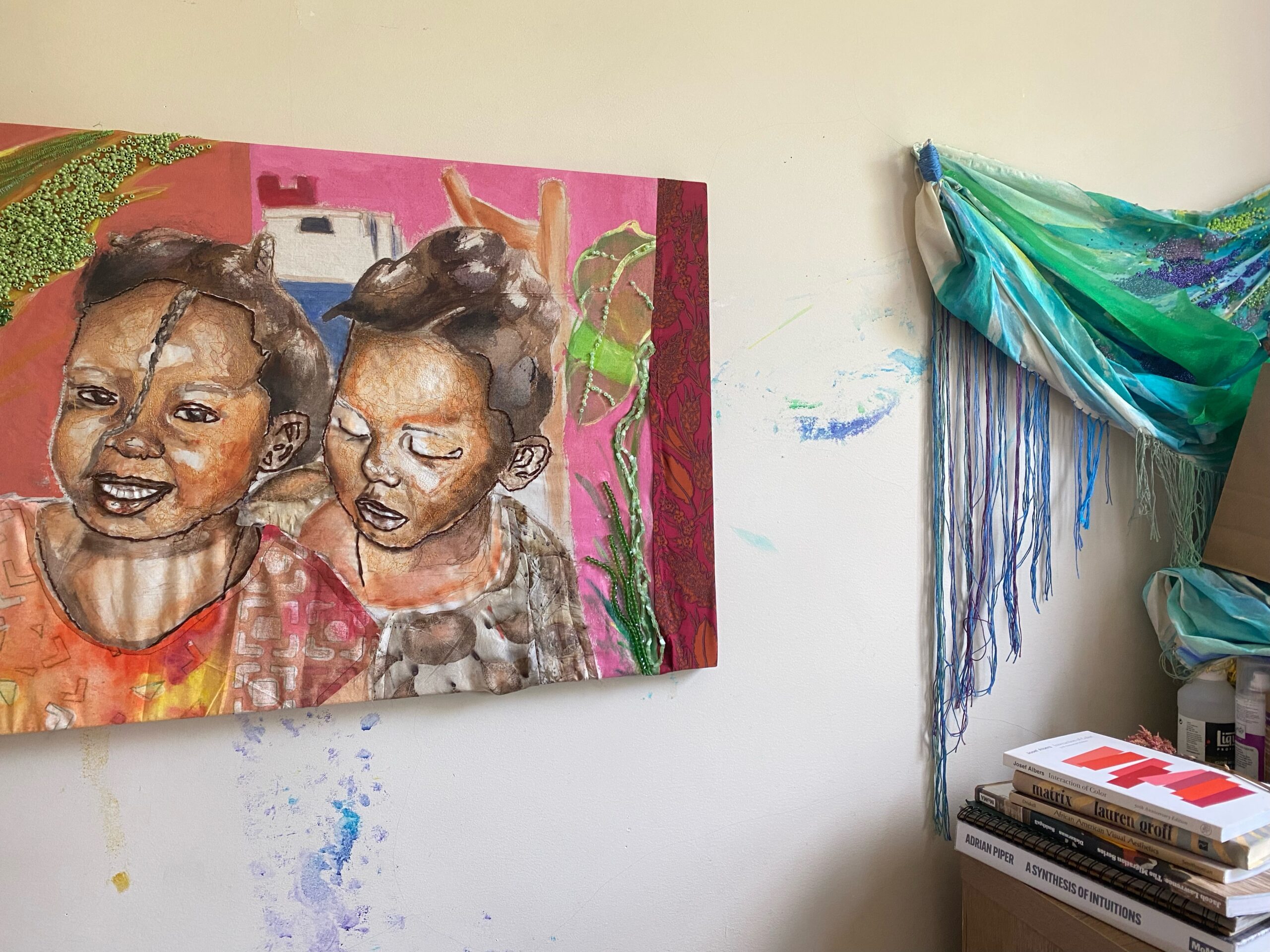
What events in your life have mobilized change in your practice?

I think residencies and traveling have initiated a lot of shifts in the work.  And any personal experiences with heightened emotions.  Loss, heartbreak, euphoria, cathartic moments of any kind.  Sometimes it’s only upon reflection that you see the effect of these things.

The paintings have evolved quite drastically, at least from my own perspective.  Even looking just a few years back, I see a huge shift.  The work from past years was very whimsical, and I often painted very loosely.  Since then I have tightened the paintings up, technically.  They feel a little more subtle and nuanced.  

Often, just making simple mistakes or errors in judgment leads to experimentation, though I’m trying to experiment more consciously.  Sometimes I get bored and feel like I’m repeating myself.  That’s when I know it’s time for me to look at different things and read more. 

For example, my latest work has been a complete leap.  I started putting together little collages with found imagery and using those as models for paintings. The results are pretty jarring.  I like the idea of two opposing images layered on top of each other, with no attempt to marry them.

What are your ideal conditions or catalyst for creating a “good” piece of work?

There’s no perfect formula for me.  My most creative periods are usually when I’m reading something good.  That seems to churn up my visual mind.

Tell us the inspiration behind your works?

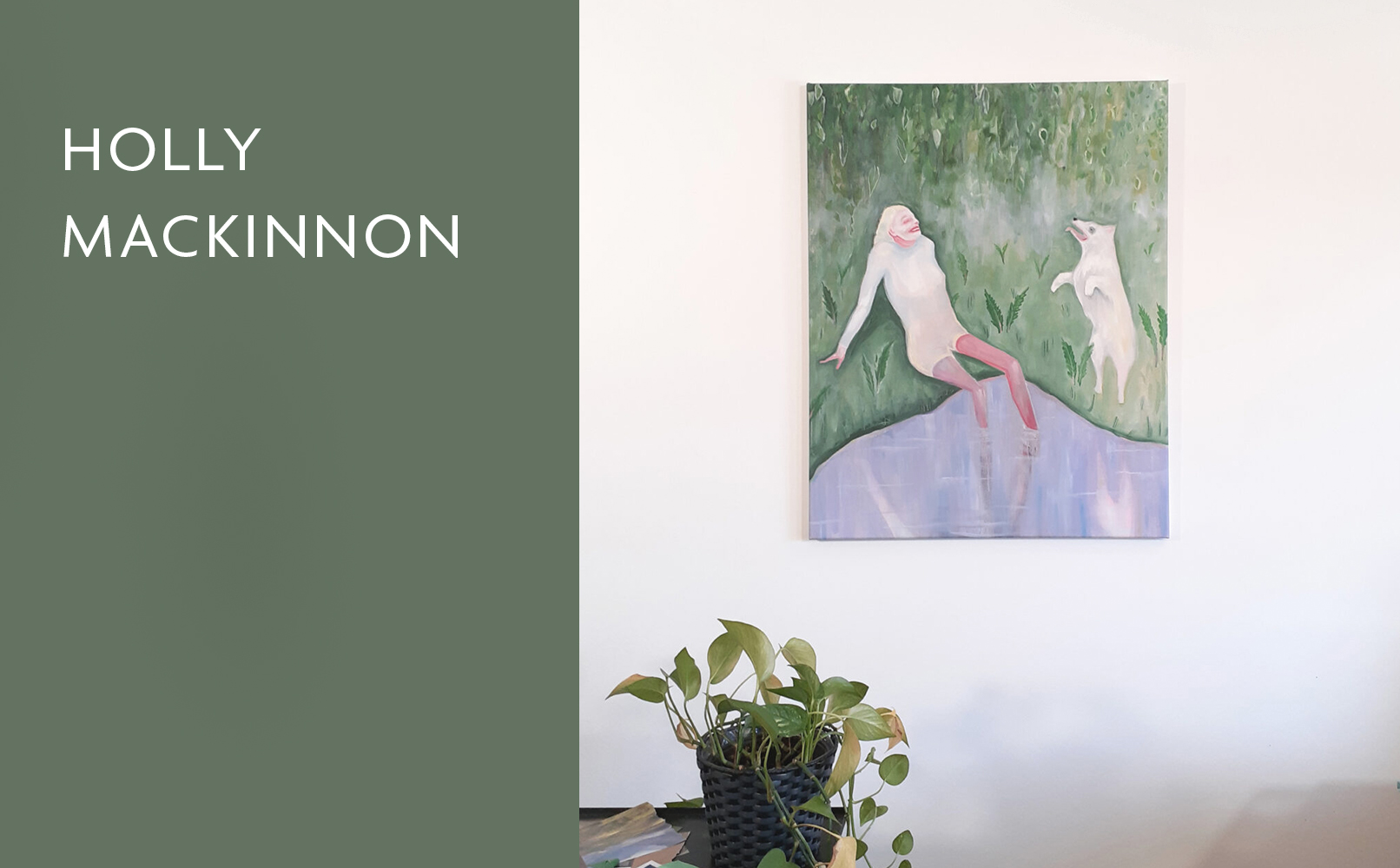
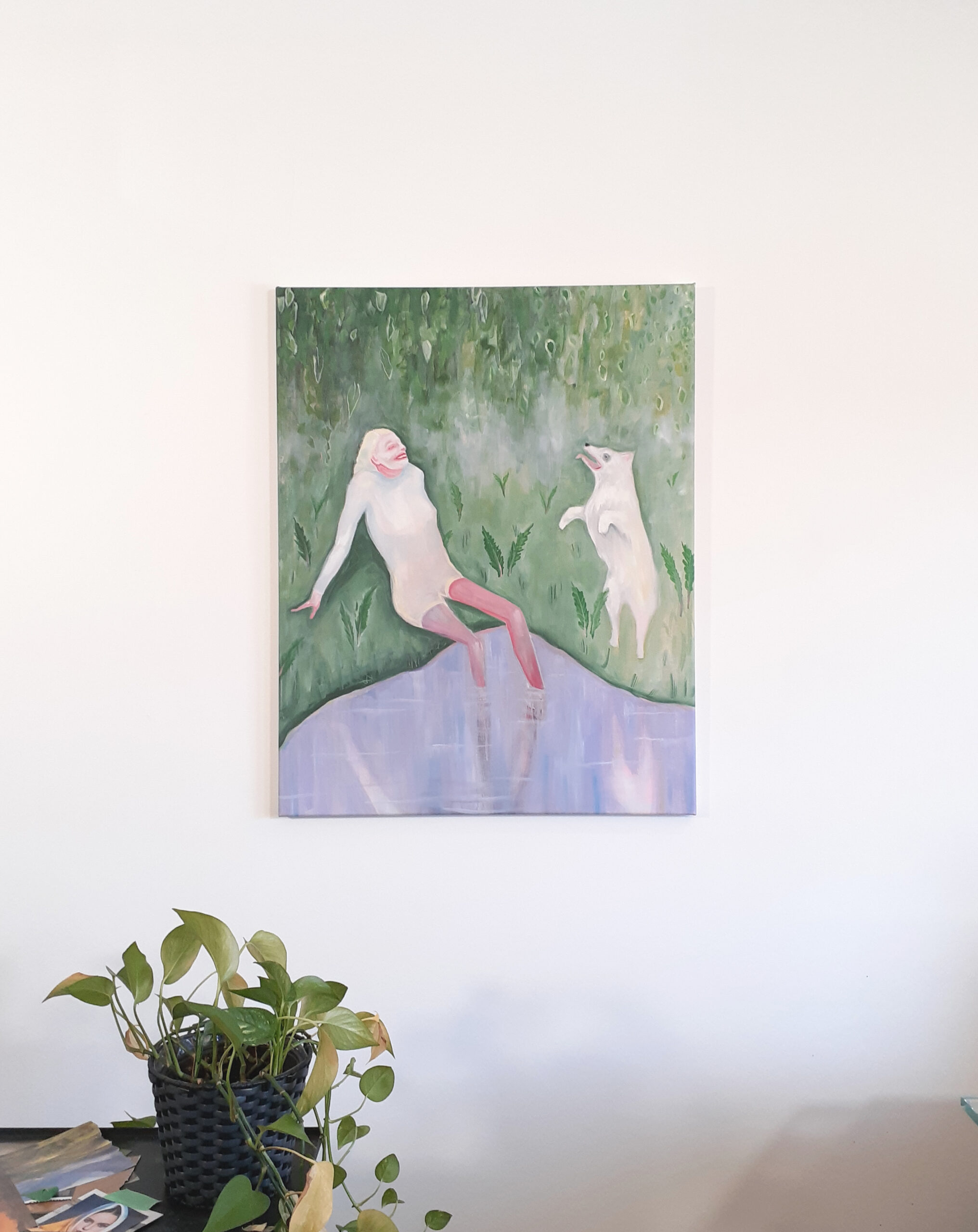
One that remains dear to me is Joy Is A Dog.  I made that painting during a residency in Portugal called PADA Studios.  I was so deep into painting for that whole month, I became a little depressed actually.  I was thinking about happiness and sadness.  I’d recently lost my dog and had been devastated by that loss.  At the time, the paintings were a little more fantastical and so I created this odd scene of a woman dipping her feet into a pond and laughing with a dancing dog by her side.  To me, it was joyful and gaudy but still had something unsettling in the air.  It’s still a bit funny and creepy to me.

Something in the future you hope to explore?

In 2021, I started writing poetry when painting got difficult.  I would like to see it evolve and try playing with different kinds of writing.  It’s my dream to publish a book.  I’ve also considered doing some projects that involve both writing and painting.  

Posted on

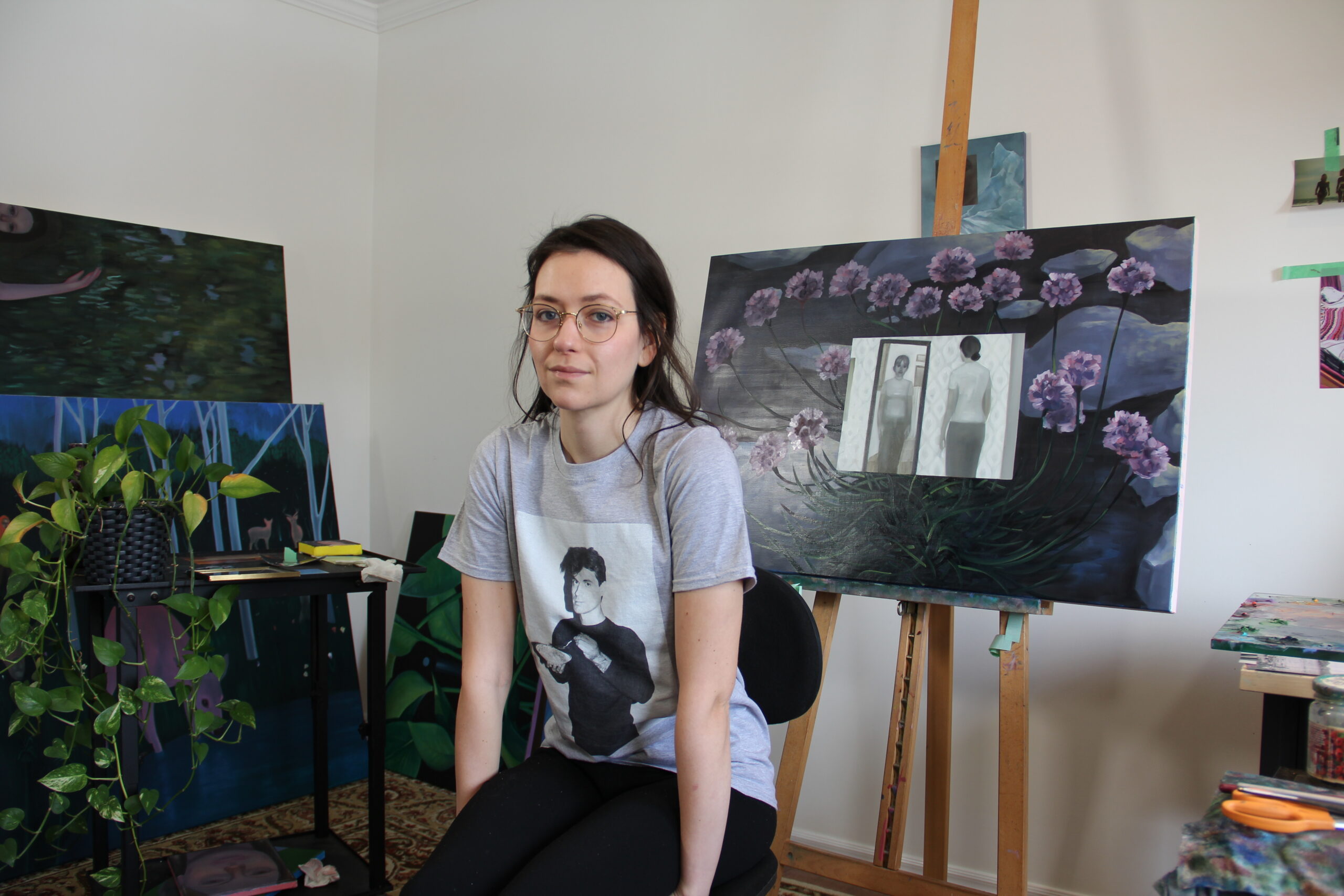
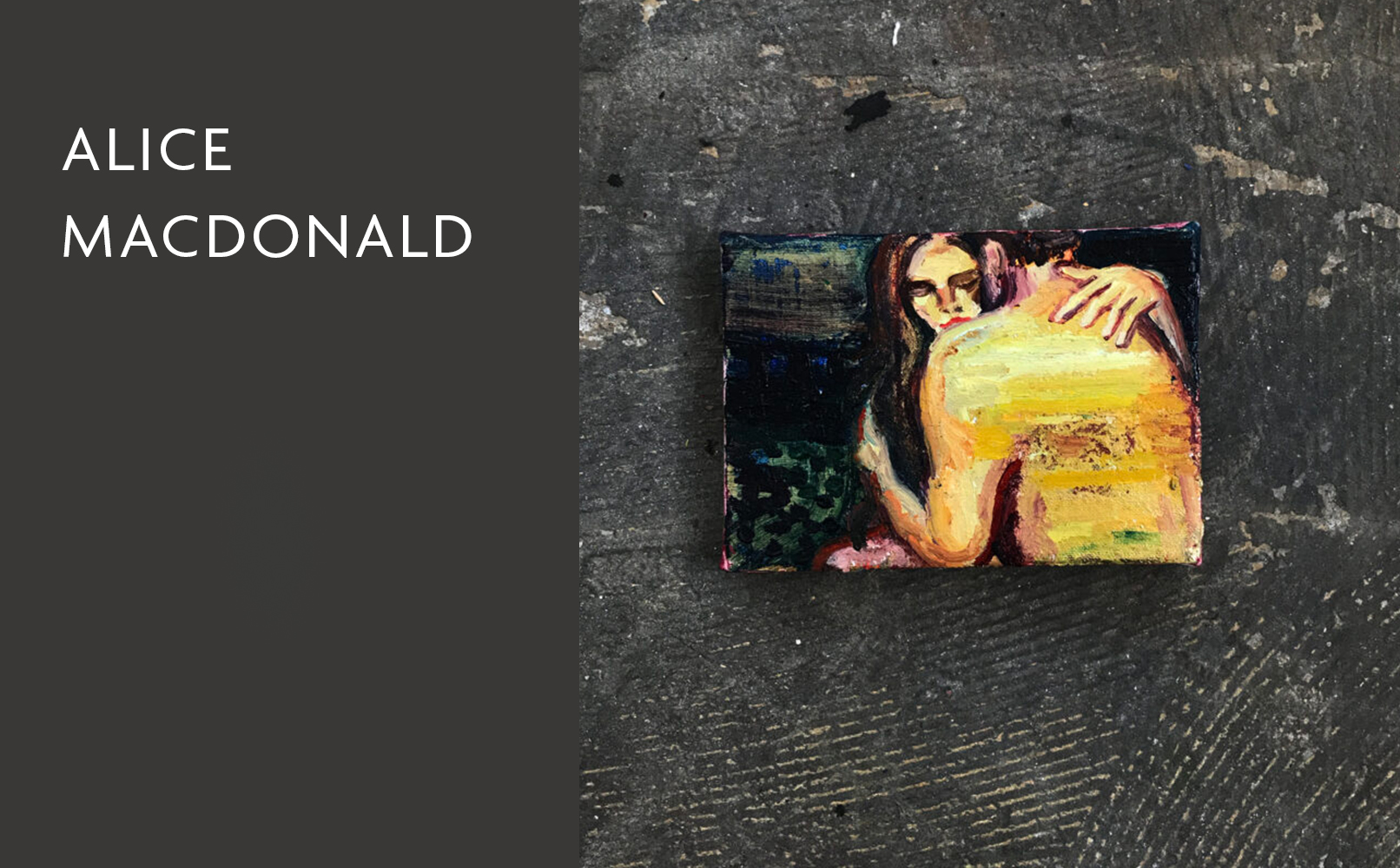
In the Studio with Alice Macdonald

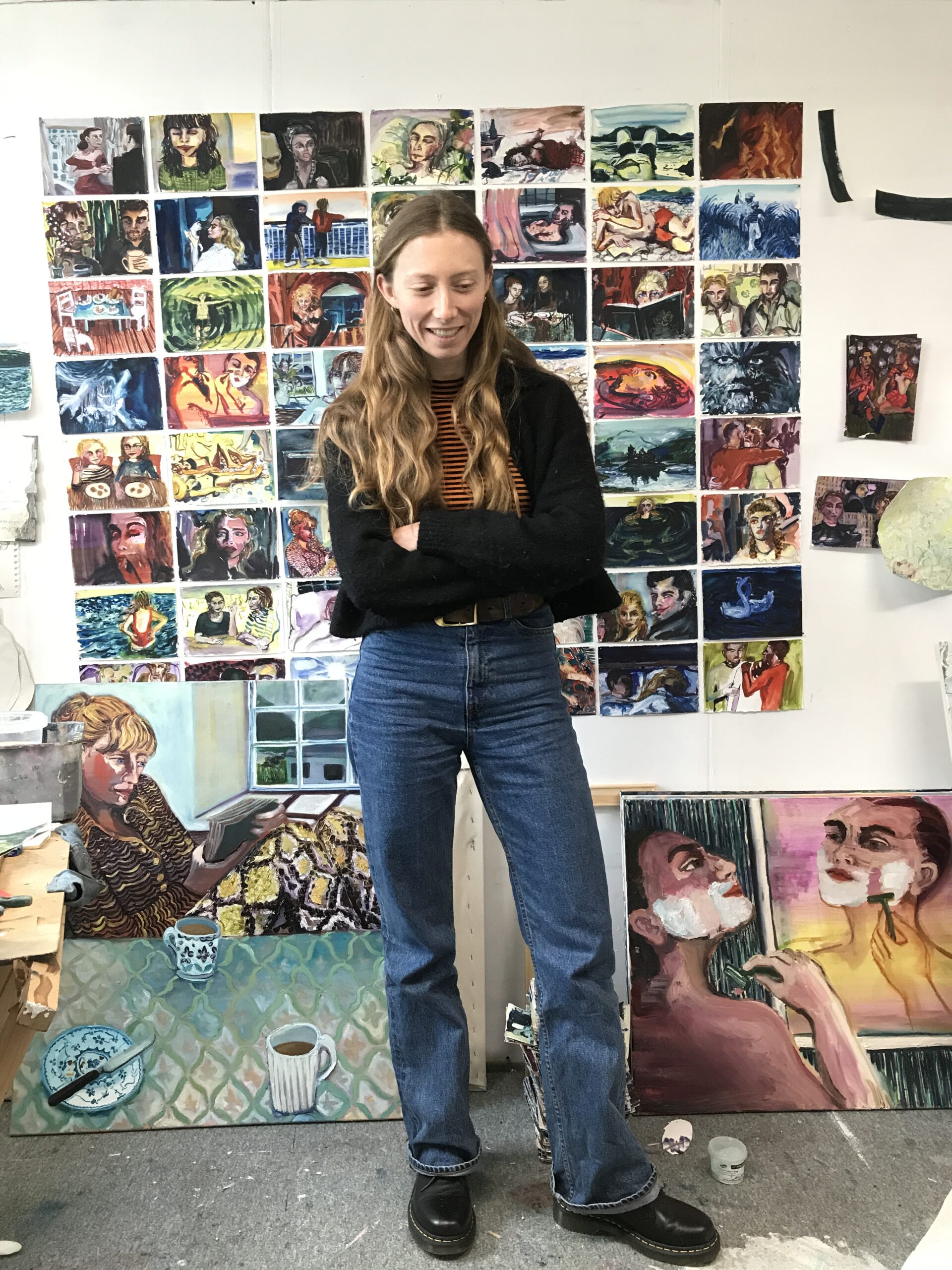
In the studio with Alice Macdonald, whose works are fascinated by the complexities of human behaviours, emotion and relationships. We met with Alice to tell us more about growing up in London, her greatest influences, and unexpected sources of inspiration.
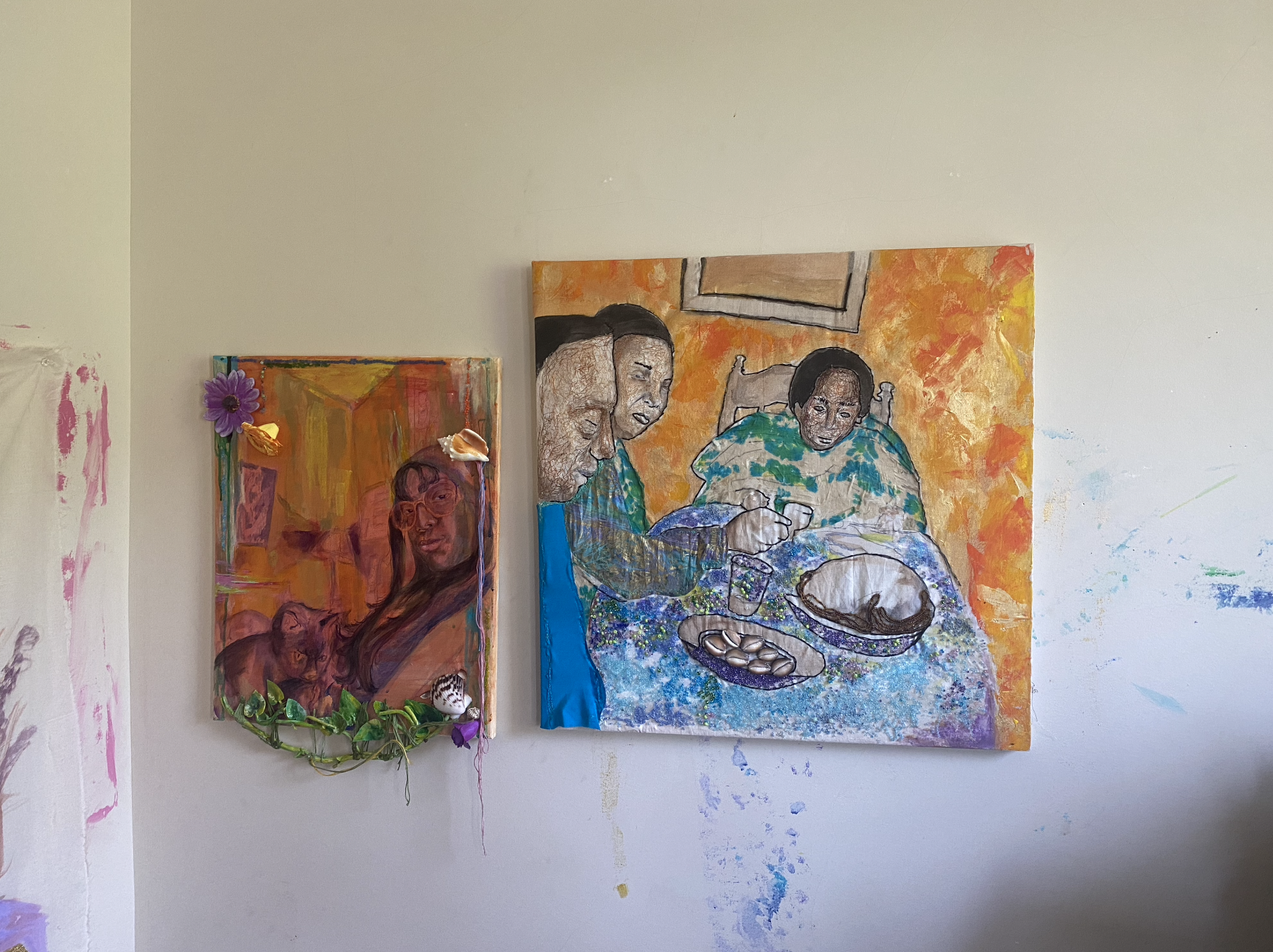
When did you first begin to see yourself as an artist?

I don’t know, that’s a strange one. ‘Artist’ is a funny label. Even though in the past I did feel quite like an artist, I think it’s hard at first to call yourself an artist, because mostly when you tell people you’re an artist they’re like, ok, but what else do you do? I suppose I started saying I was an artist with more conviction after I left the Drawing School in 2017/18. Or maybe since I’ve been putting ‘artist’ on my tax return – that made it feel more official?

Where are you from and what was your upbringing like?

I was born in London, and I grew up above my dad’s restaurant in Victoria in central London. When I was 11 we moved to the countryside sort of near Oxford. My mum is a teacher. I have three younger brothers, two of them, Ranald and Angus, are also artists, the other one, Hector, is more of a writer. We all get on pretty well, I really feel really lucky to have so much in common with my brothers, I like to talk to them about my work and my ideas, about books I am reading, for advice, I trust their opinions.  

Music was a big part of my childhood. My Dad is obsessed with Elvis Presley, and Elvis was playing a lot of the time, in particular I remember Elvis tapes in the car.  My brothers are all also very musical and they can all play all sorts of instruments. Somehow I never managed to really learn any. But when we are all at home at Christmas or something we often end up singing around the piano. I think I am more of a behind the scenes person, I don’t like being in the spotlight. Ranald has a band called This Is The Deep, and my partner Mark and I paint backdrops for their live performances. 

All in all I think I had a mostly happy upbringing. I don’t know really how it has impacted my work…I do really enjoy watching and drawing people, especially in pubs, I did a whole series of prints about pubs, and I also love painting food related images.. perhaps this is something to do with my early upbringing above the restaurant?

Paint us a picture of your artistic journey. What inspired you to first pursue, and then continue to practice artistic work? 

I always liked drawing and making things as a child. My Grandma Jane is a great watercolourist, and when I was little I would go to her house and paint with her at the weekends. I was lucky to be encouraged by her and my parents. Because it was the thing I enjoyed most, it always seemed obvious I would apply for Art school. Although I did briefly consider studying languages, after school I did an Art Foundation and then I applied to Falmouth to study Illustration. I was thinking that Illustration would lead to a steady job and would make use of my love of drawing. Turns out I don’t really enjoy working to briefs and it’s actually pretty hard to make a living doing illustration, and most of it is done digitally now, which I really don’t like. Illustration wasn’t for me! So I decided to apply to the Drawing School. The intense year spent drawing taught me a lot, I think studying there was a pivotal step for me, it was the first step towards my current art practice. but I’m not sure you ever feel like you are on the right track exactly – you are always trying to do something better, there is always further to go! 

What’s the message of your work? Where do they come from? 

I don’t think there is one single message of my work. I think of my work of a collection of thoughts and observations. Most of my work starts with a drawing, either from observation, from memory or from a film still, occasionally from imagination. I am interested in people, their psychological state and innermost thoughts and feelings, but I am also fascinated by the impossibility of knowing what they really are, by how difficult it is to know someone really. 

Ideas can come from anywhere – I am influenced by all sorts of things – literature, myth and fairy tale, music, cinema and opera, and research into history, art history and feminist discourse. I am really interested in psychology and how the brain works-  I often think about psychologist Erving Goffman’s idea of role-play – everyone consciously or not, is acting a part- whether self-imposed or created by society. I also think a lot about stereotypes and archetypes, in particular in terms of gender. I am aware that the male gaze has influenced how I and society expect women to look and behave, and I question how to represent women. I often draw other women and myself in examination of female experience, my own relationship to womanhood and my received concept of femininity.

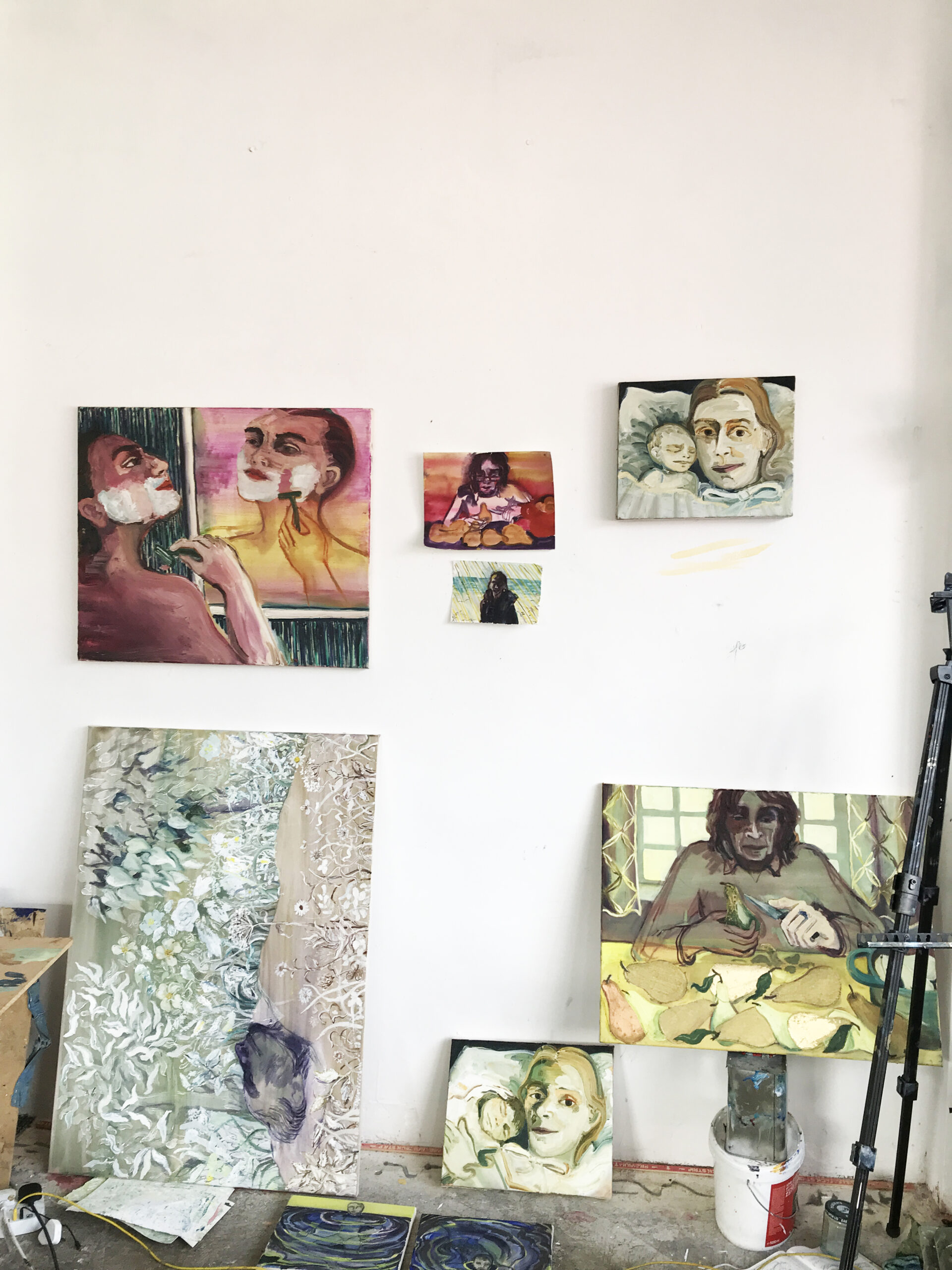
I have no idea how to describe my aesthetic. But I am as much interested in playing with the visual elements of light and shadow, colour, pattern, texture and pictoral depth and composition as in the subject matter itself. I often make several versions of a painting starting with lots of small watercolour studies and then painting larger in distemper and oil on canvas. Through this process the image changes and the resulting paintings are somewhere between reality and fiction, observed and imagined.

Who & what are your greatest influences?  

In terms of artists, I think my all time greatest influence is Edvard Munch. I love the way he painted and the emotional intensity in his work. Then I also love artists such as Alice neel, Bonnard, Vuillard, Paula Modersohn Becker, Marlene Dumas, Chantal Joffe, Sarah Pickstone, Mama Anderson, Ishbel Myerscough, Caroline Walker… and many more. 

I listen to audiobooks most of the time when I am painting, and I think listening to so many stories and different narratives from all across time and the globe has a strong influence on me.

An unexpected source of inspiration?

Sometimes it’s just something you see for a flash of a second that might inspire you to make something, I think you never know where it’s going to be or come from. So, in a way, it’s always unexpected.  

What do you want people to take from your work when they view it?

No not really. I think once you’ve painted it, the audience can think what they like. I think I just want people to be compelled look at the work, and to be interested in it, perhaps to wonder about the people I’ve painted and who they are, what their story might be? I love the idea that when you look at a painting of someone, say a Tudor portrait, you can meet the eye of someone across time and space. 

What events in your life have mobilized change in your practice?

I don’t think one event has changed my practice. It’s more of a changing gradually by small degrees. I usually work quite fast. I think I feel like I have to get the ideas on paper before they disappear. I would say I’m pretty experimental. If I have an idea about something I’ll try it out. I’m not very good about doing small scale tests or plans, I like to just go for it. If it’s a disaster, I’ll have to try something else. 

What are your ideal conditions or catalyst for creating a “good” piece of work?

 Oh I think that is impossible to say. These conditions are pretty illusive! I think mainly I need time gathering ideas – by doing things and looking at things outside the studio, and then you need time in the studio to paint them. But sometimes it seems like you have all the ingredients for a good piece of work but it just turns out terrible. It’s not a precise science. 

Tell us the inspiration behind your works?

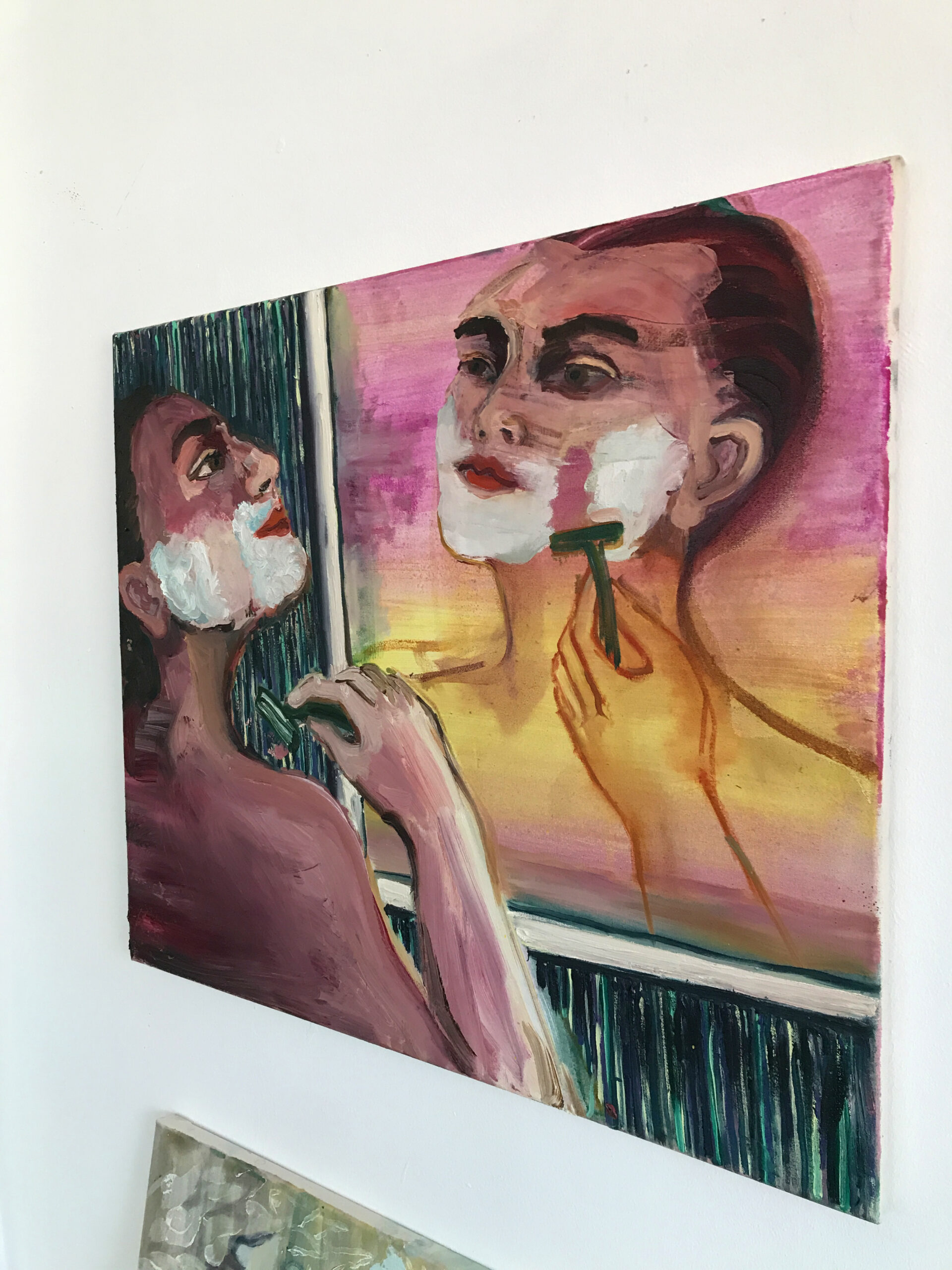
Shaving Mirror Image is from a drawing I did of my partner and artist Mark Connolly in winter lockdown 2021. It was a pretty depressing time, I was really missing outside information and inspiration. I made loads of drawings of Mark – sleeping, eating, bathing and shaving. I needed something to do, and there was nothing else to draw! But eventually I got pretty interested in the intimacy of being stuck so intensely together. I also got really interested in the image of the image of the mirror reflection and the difference between Mark and his reflection that happened because obviously I was not fast enough to draw them both at once. The idea of your alter ego or persona. 

Something in the future you hope to explore?

I’m thinking a lot at the moment about people sitting at tables, I think a table is a very interesting space, a domestic place, a place where food is prepared and eaten. Sitting at the table with someone creates a space for conversation. I’m currently working towards a show with Paint Talk in June, the working title is “Table Talk and Other Conversations’. We will see where it leads me!