Posted on

In the Studio with Morgan Everhart

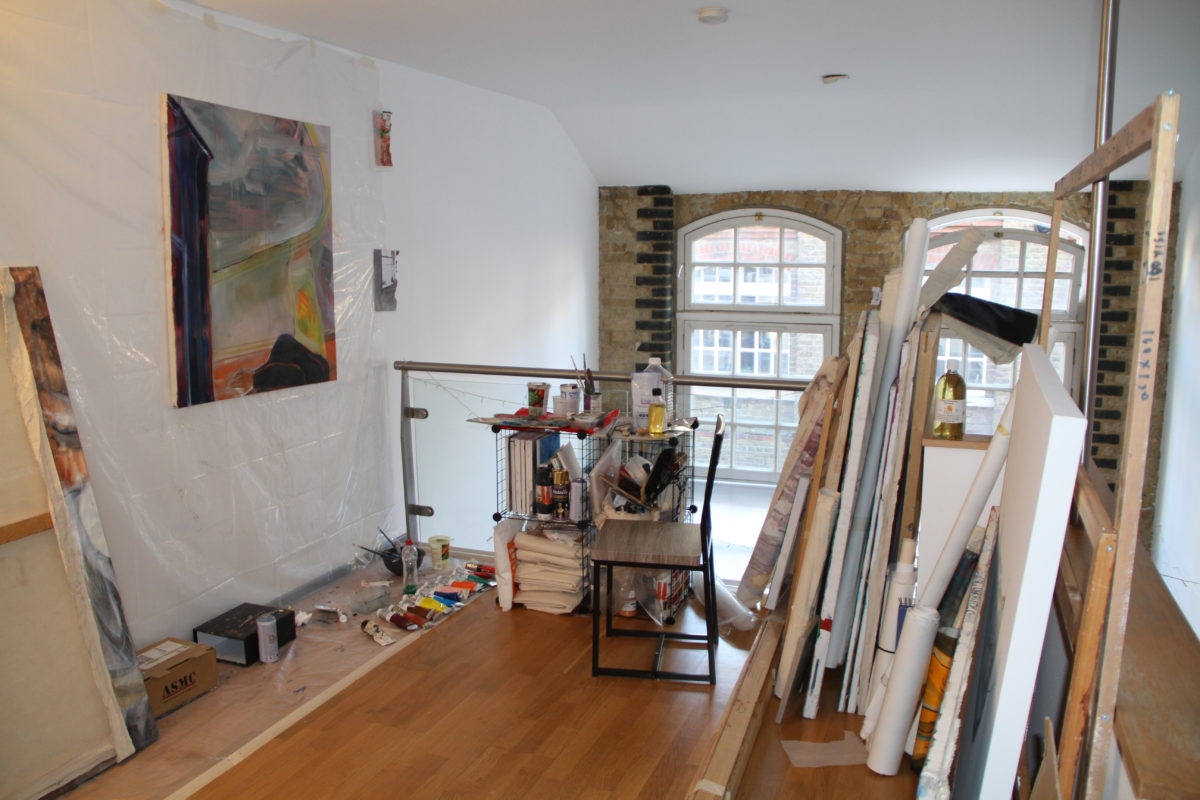
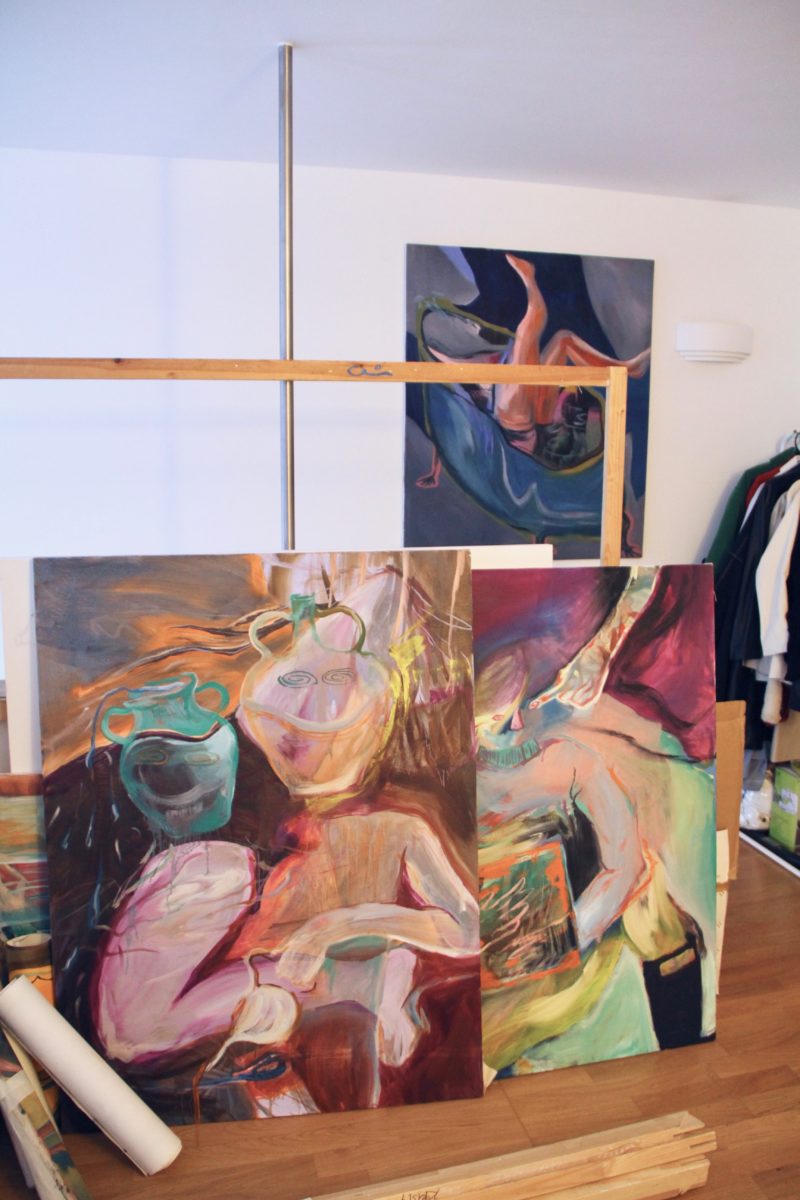
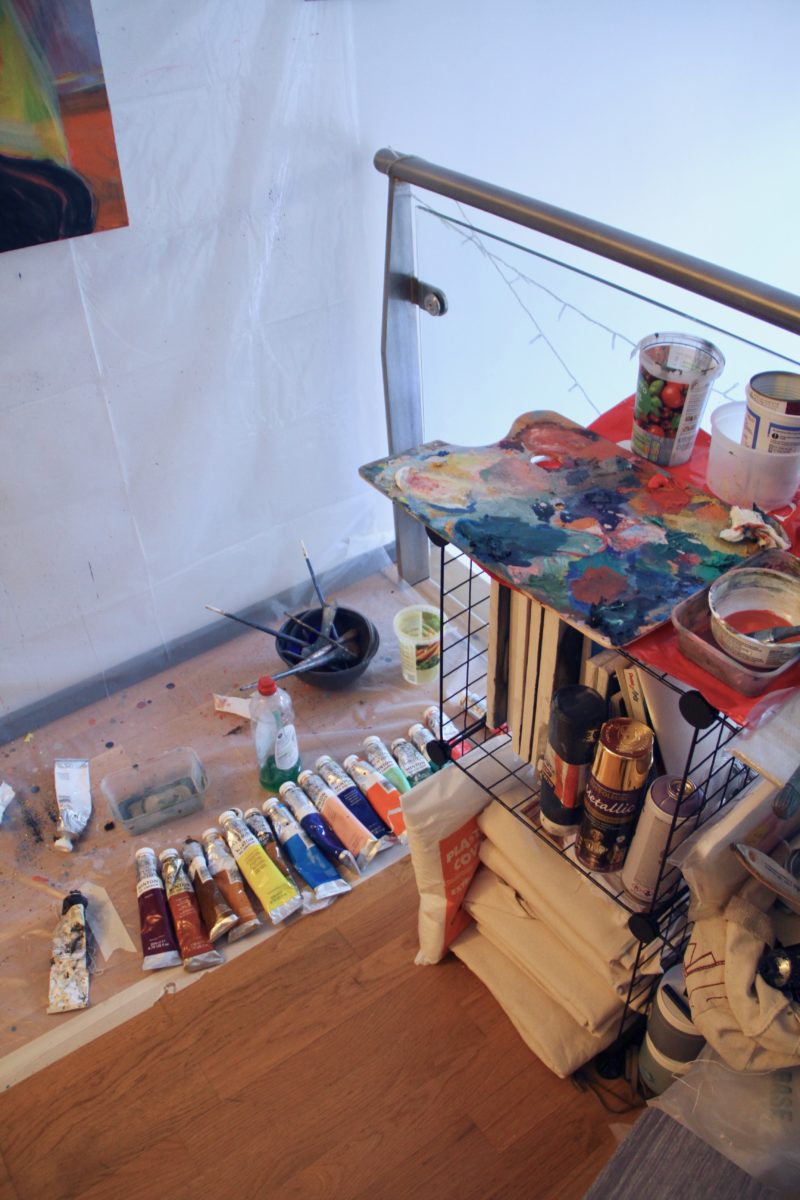
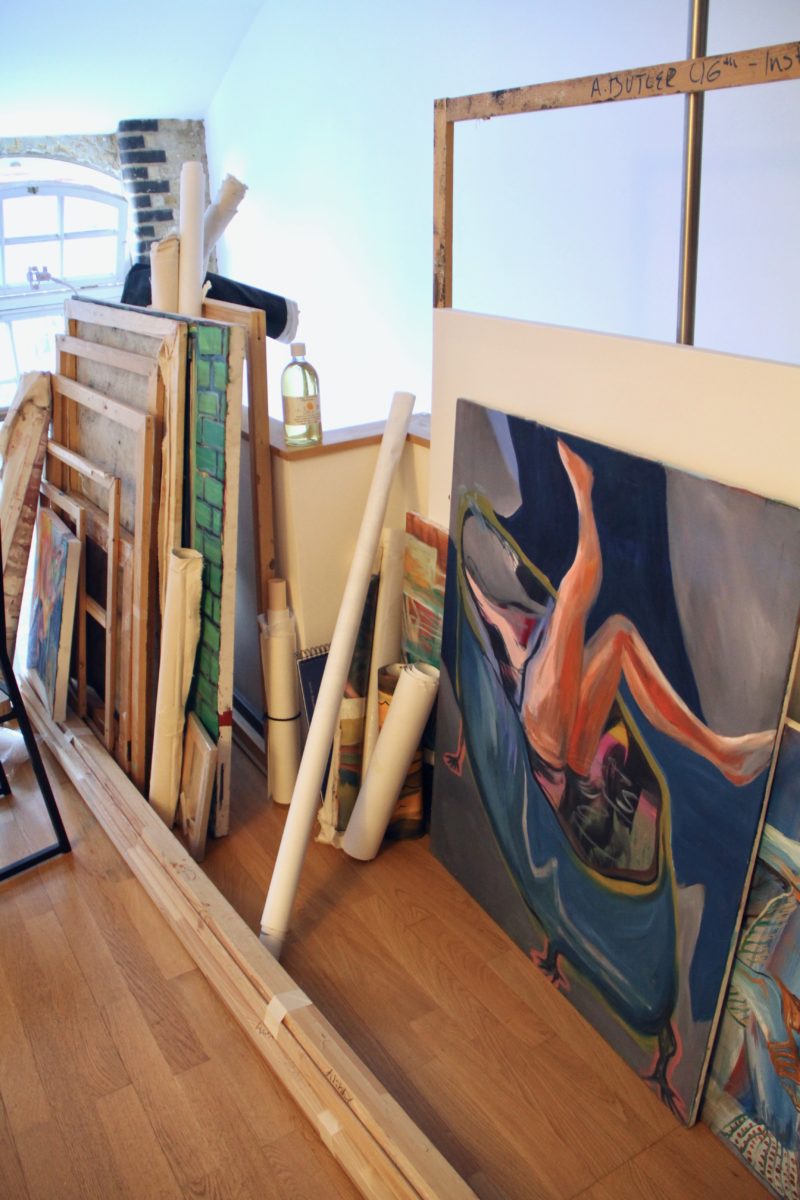
Morgan Everhart's work echoes themes of memory and the passage of time through a balance of abstraction and traditional still-life. We visited Morgan in her Brooklyn studio to tell us a little bit about how she began her journey to where she is today.

Where are you from?

I’m from Dallas, Texas and live in New York City. I was introduced to Natasha Arslean through Tyler Bishop, founder of Friend of the Artist, who asked Natasha and I to curate their Volume 7. We met over a video chat as we selected the artists for the publication, and I was blown away by her perceptiveness and sensitivity towards the artworks, the artist’s intentions, and the people she was curating with. She really looks and cares, and that’s rare in any field. 

I studied at the University of North Texas for my Bachelor of Fine Arts and received my MFA in Painting at the Maryland Institute College of Art. At the University of North Texas, which was close to home, there was a freedom to make whatever you wanted, because the focus was on the embrace of expression and a general understanding of what art is. However, the LeRoy E. Hoffberger School of Painting at MICA focused on developing our own painting languages and professional contacts. Through every academic and professional experience, I think the pursuit of authenticity was and will always be a driving force.

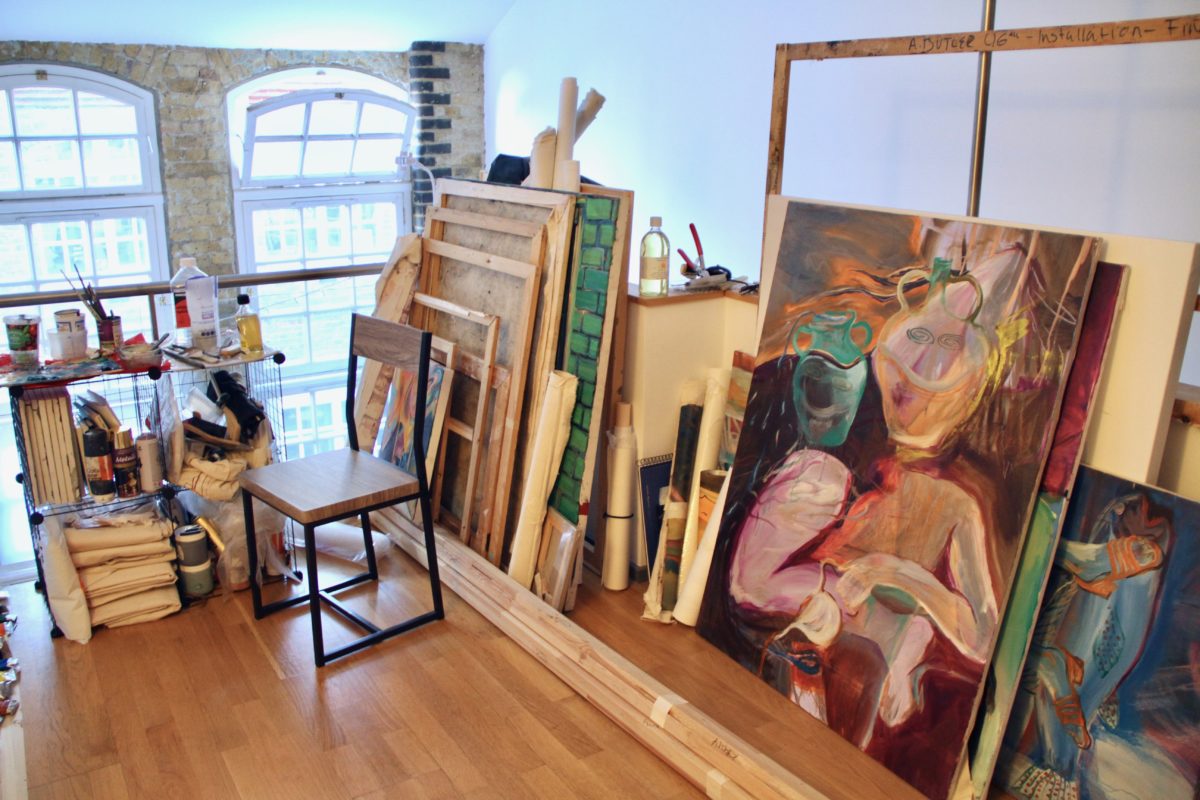
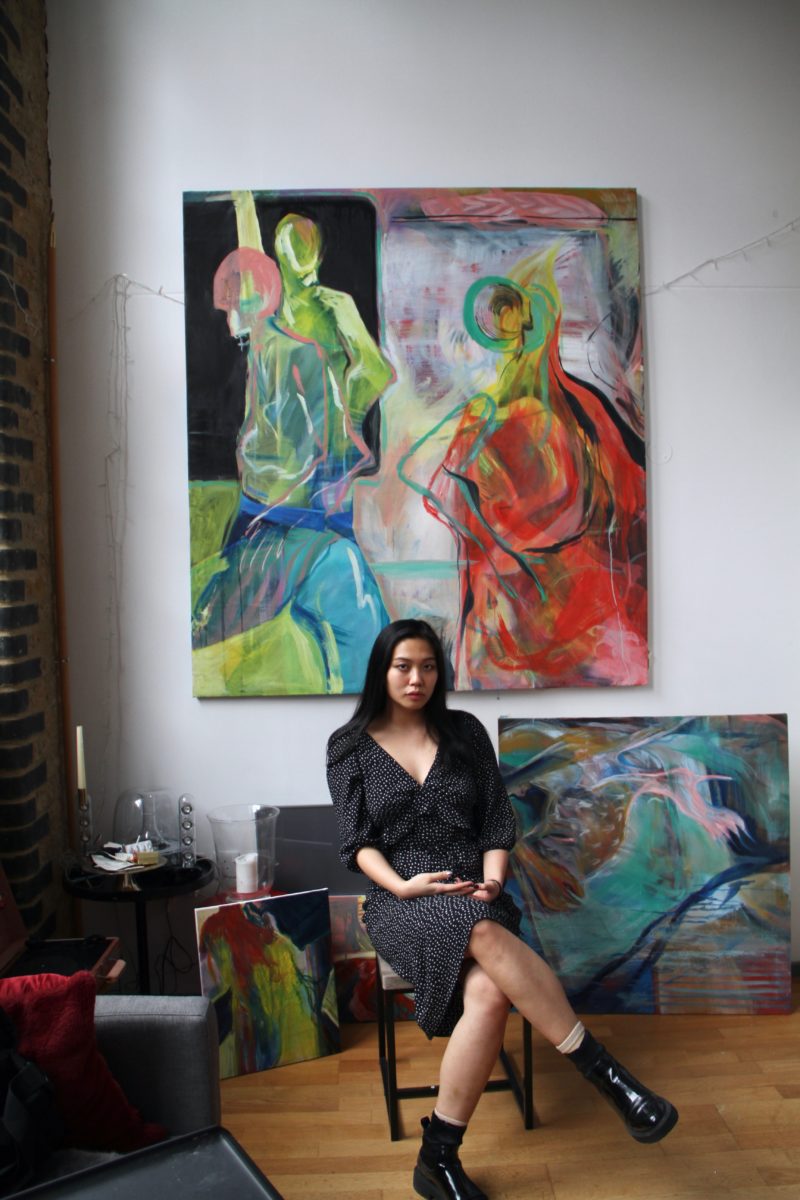
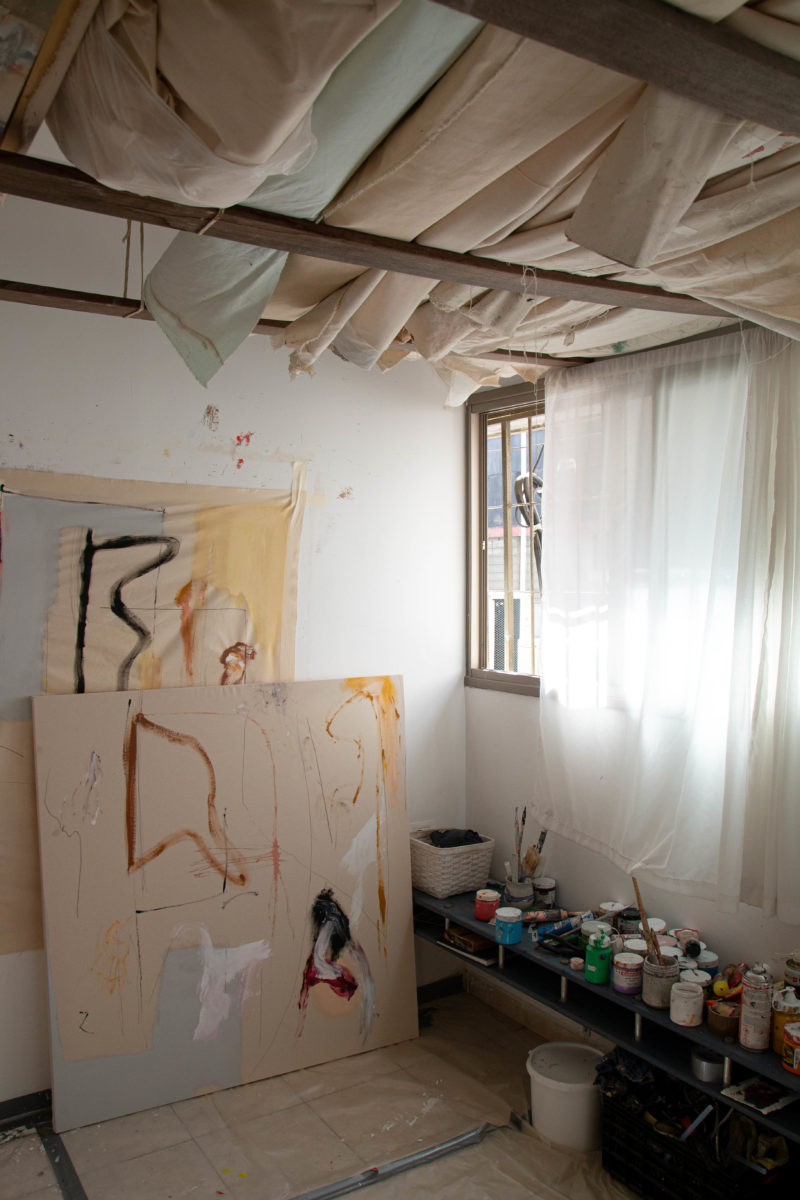
Photo by Aaron DuRall

How has your artistic practice evolved and shaped throughout the years?

Since I took an art class in high school, I’ve been a painter and will continue to be one forever. I started with self-portraits, like every teenager, then moved quickly into appropriating my favorite painters. Now, I’m developing a dialogue with paintings, literature, people and experiences. I don’t plan what my paintings will look like, but they are ongoing conversations with each other. So, I plan the size and have some ideas of what might happen, because they are responses.

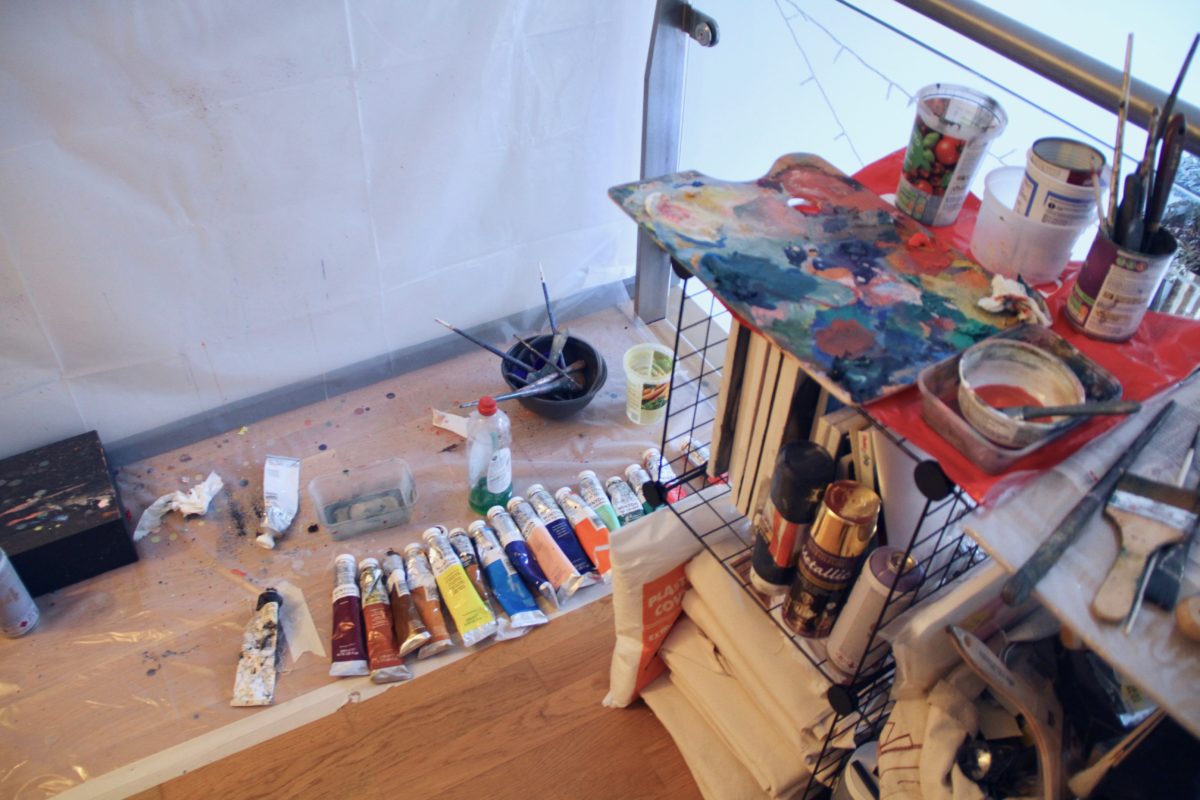
Photo by Aaron DuRall

How would you describe your aesthetic? Where do you get your narratives from?

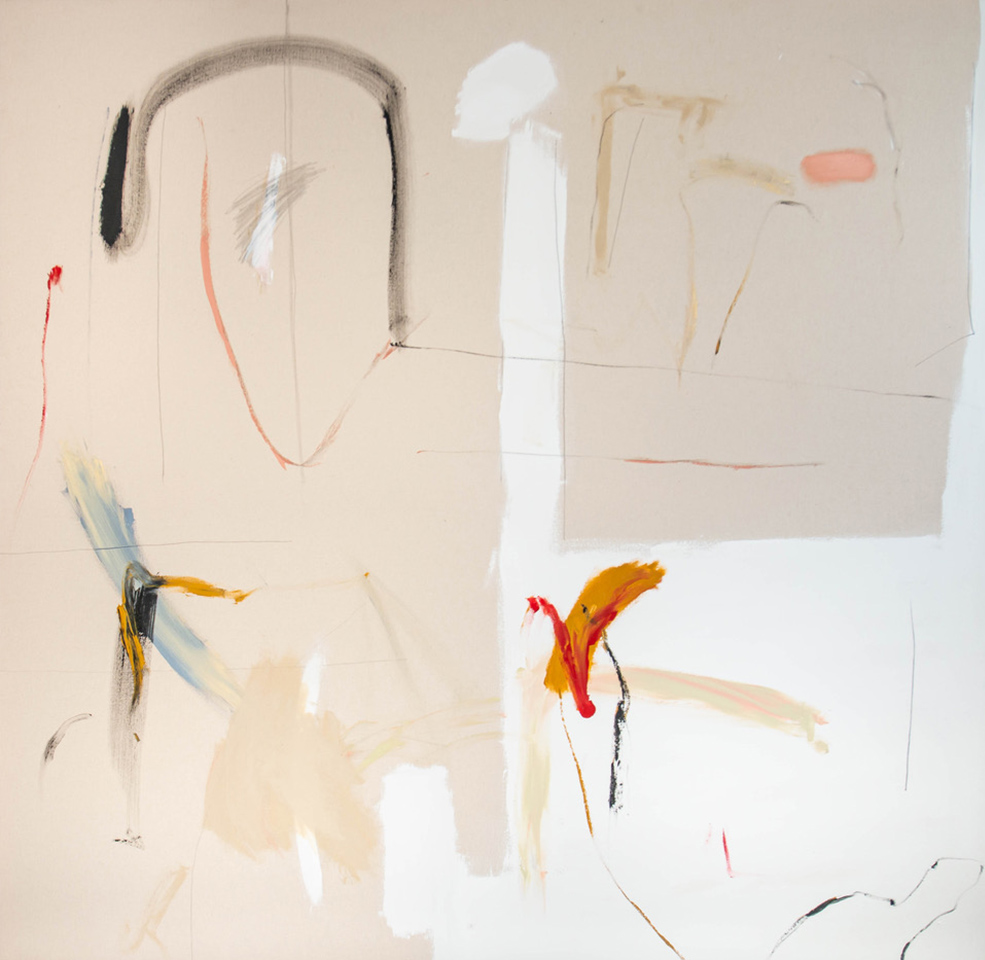
I think about two things when people ask about message and aesthetic: I think about Mark Tansey’s research on contradictions and the advice I received in graduate school, which was to have an elevator pitch. My pitch changes over the years, however, my current one is, “R.B. Kitaj and Francis Bacon meet Joan Mitchell”.

Mark Tansey is a perfect example of an artist who challenges traditional genres and their hierarchies. I remember borrowing a catalogue of his many years ago and studying his chart’s of oppositions and contradictions, which are at the heart of his content. Right now, I’m developing something similar to his opposition’s, exploring the “intimate and inanimate” by mixing landscapes, portraits, and florals.

Both R. B. Kitaj and Francis Bacon’s work often depicts emotionally charged, disorienting and impossible settings with exaggerated and belligerent forms. I think about how they confronted their personal traumas and what would happen if they shared a studio with Joan Mitchell. I imagine they’d drink a lot, but I also hope they would discuss more about how they understand their natural and innermost environments.

There’s that Chuck Palahniuk quote: “Nothing of me is original. I am the combined effort of everyone I’ve ever known.” I don’t really care about being original and I think the pursuit of that misleads people. If you want to be a part of history, you have to understand it and how you honestly relate to it. So, when I’m trying to understand more about something I see or experience, I paint it and it helps me live.

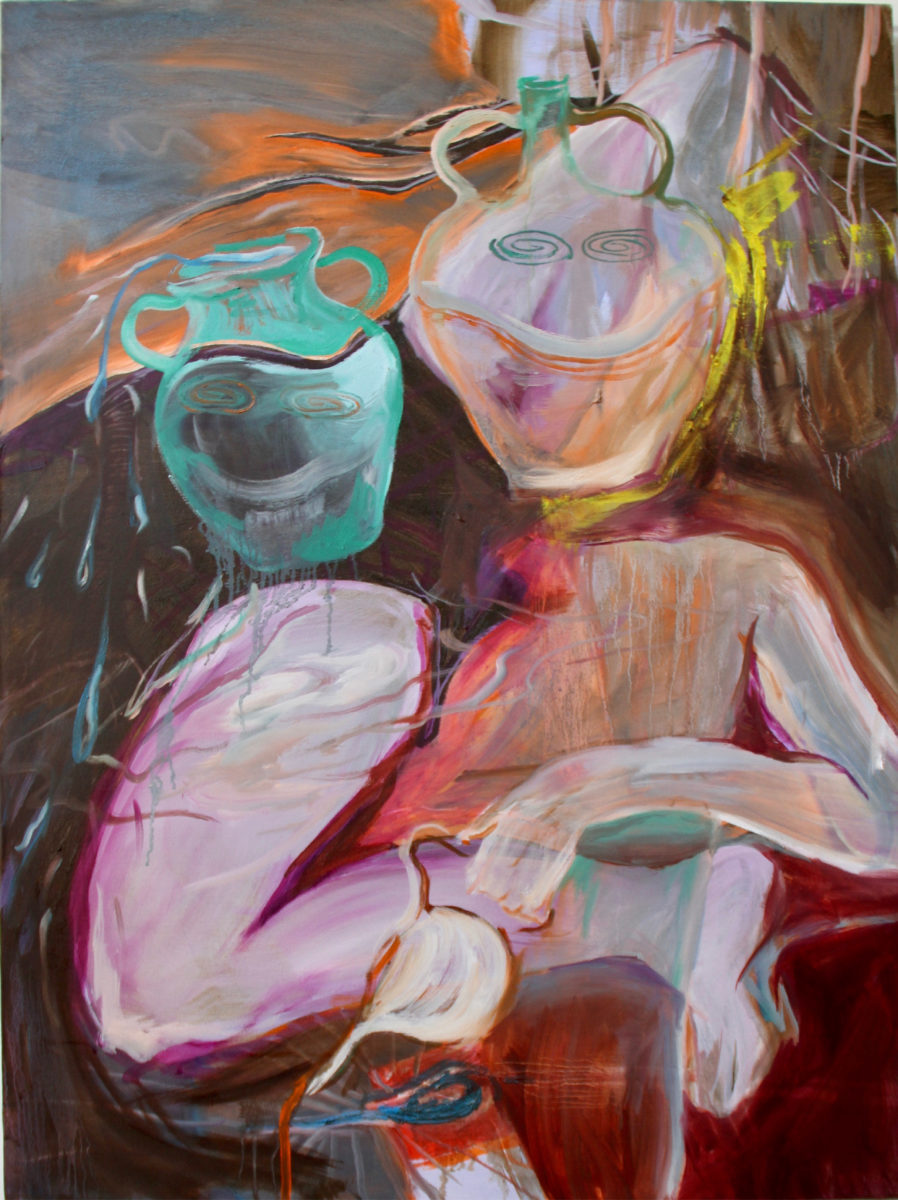
Verticality, 2018
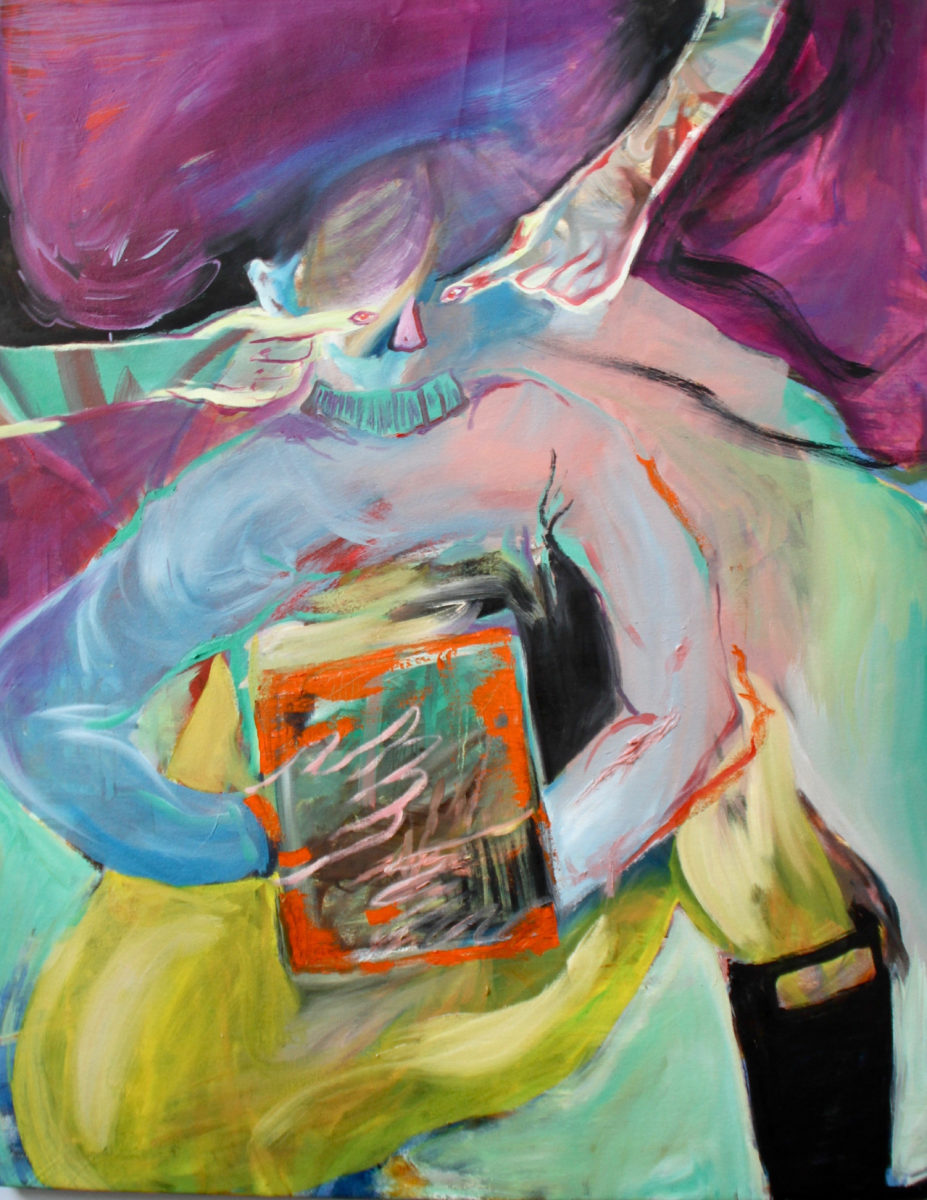
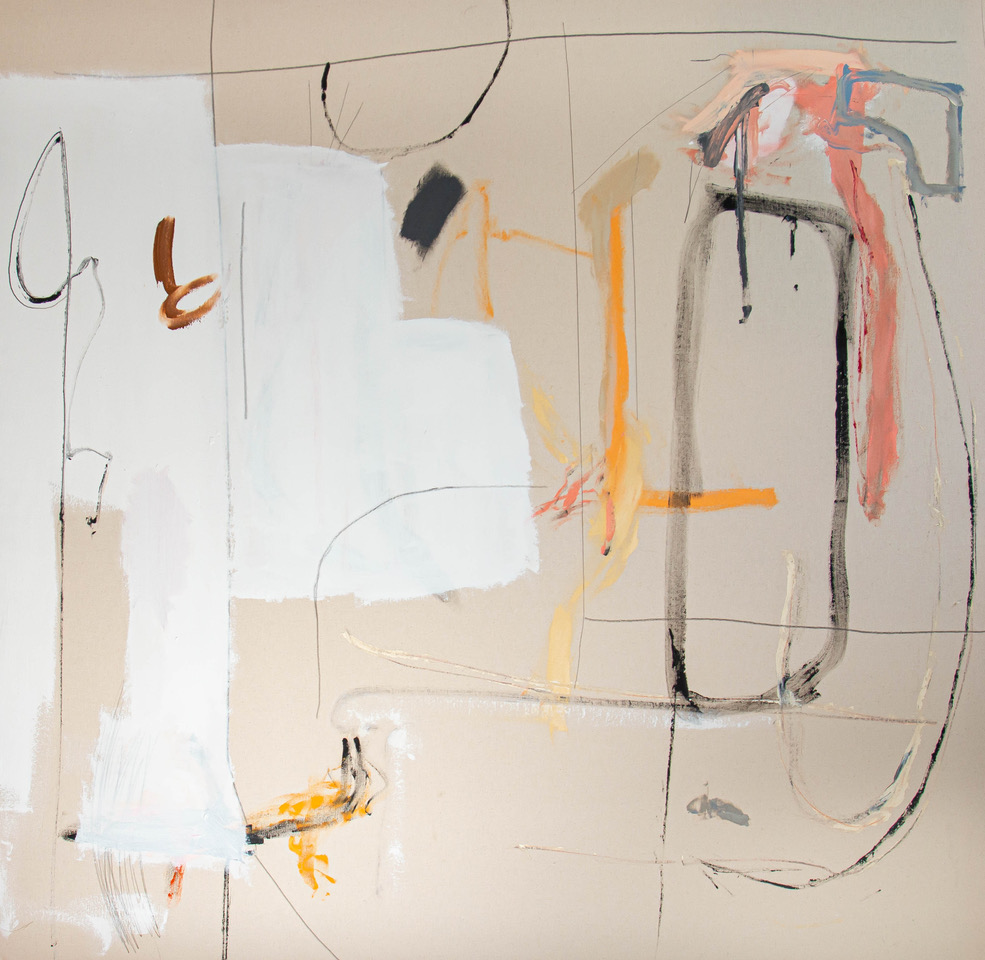
Between Us, 2020
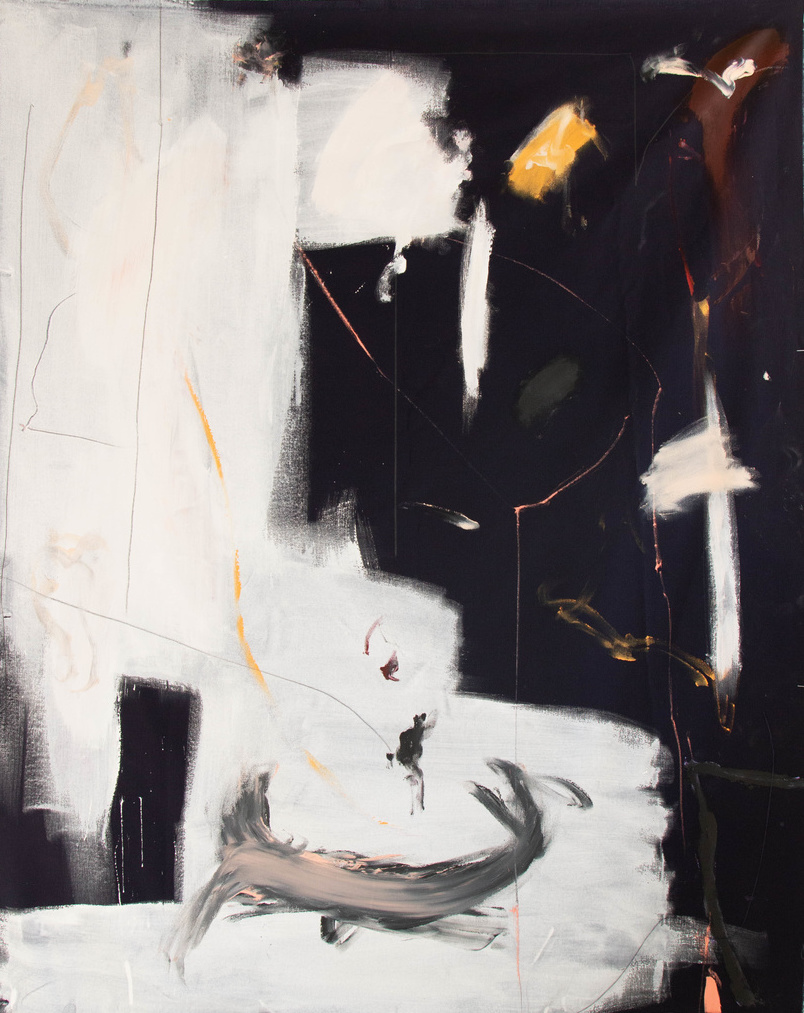
Like Distance, 2018

Do you have the audience consciously in mind when you are creating?

Realistically, my immediate audience is who I make the paintings for: my loved ones and colleagues. When I’m fortunate enough to share the paintings with wider audiences, I hope they relate my personal conversations on their own. 

What’s next (projects, collaborations, exhibitions, taking a break)?

Over the past year, I painted many groups smaller 12 x 9 inch paintings over shorter time frames of 1-2 weeks, called “Double Takes”. I also spent a lot of time over a series of larger 8 ft x 4 ft paintings called “The Four Seasons” and “Over Night”. I plan to reflect and develop some of these paintings and their conversations on larger scales this year. In the spring, I will have a solo exhibition at the David Owsley Museum of Art. I am also a contributing writer to A Women’s Thing, where we are developing some interesting stories and interviews on women in the art world.

Photo by Aaron DuRall
Posted on

5 Minutes with Kate Bryan
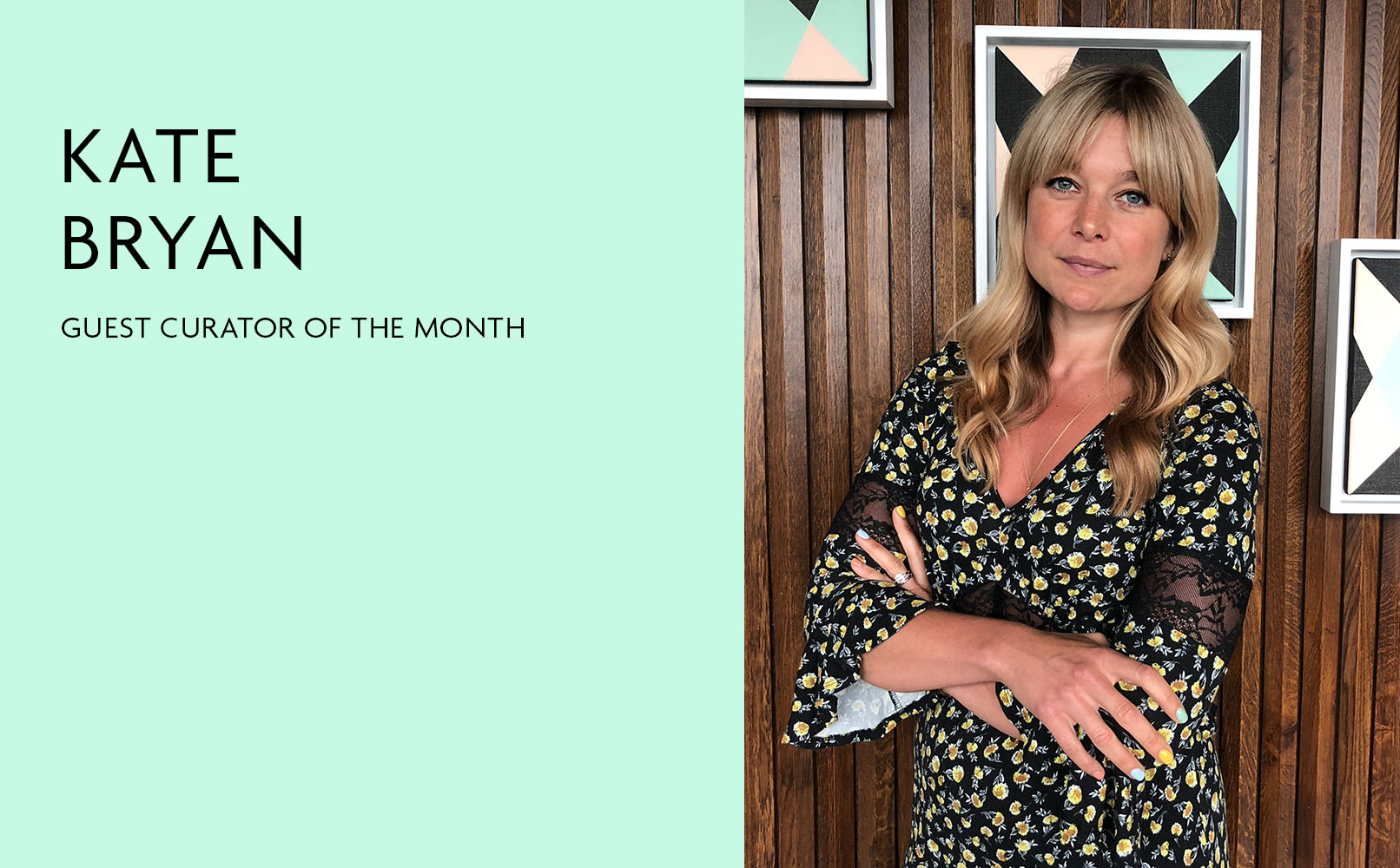
Global head of collections at Soho House, art historian, arts broadcaster and writer Kate Bryan, tells us about her not so easy journey into the art world, buying her first artwork and what she’s learnt during lockdown.

Where are you from and what was your upbringing like? How has this impacted your work?

My family lived in Bracknell when I was born, a pretty unappealing new town! I grew up in a really loving home without much privilege, went to a local comp school and didn’t know anything about the art world. I did however make art almost every day as a kid and so you can imagine I nearly wet myself when I went to the Tate Gallery on a school trip. This was my only encounter with real art until my parents took me to see the Monet Exhibition at The Royal Academy for the 17th birthday. This changed my life as I realised I could study art history, something I had never heard of. I never looked back. It was only once I started working in my twenties (my first job was doing the filing and making coffee for the Director of the British Museum) that I realised it was quite unusual for someone from a non-privileged background to get into the artworld. Ever since then I have been very mindful to try to leave the door open for other people from all walks of life to be able to come into this space, which has for too long been elitist and a bit of an echo chamber. I really feel change is picking up speed in the past few years though.

What came first – presenting, curating or writing? 

Curating I suppose. I have always found a way to speak and learn about art. At the British Museum I got an incredible job to work on the Michelangelo Drawings exhibition as an assistant in 2006. I would lecture every lunchtime to about 300 people and it gave me a great confidence to speak about art. I have not really shut up since.  The BM was an amazing first place to work, there were so many people there that gave me confidence to expect more, to think more laterally, to be a sponge and learn all the time. After that I did my MPHil in Hong Kong and that’s when I fell for contemporary art, as I started directing a small contemporary art gallery showing international art there. Working with living artists was a revelation. I was also writing lots of exhibition reviews at the time so absorbing a lot of Asian art at a time when the world was really paying attention to it. TV happened when I got back to the UK in 2013. I was the youngest Director of the Fine Art Society in its 120 year history and one of a very few women and so when TV producers were looking for female voices in a very male space I guess I was easy to find. 

Instagram is a thief of time but I don't know what I would do without it.

What has been the highlight of your career so far?

I have been lucky to have some really special moments that I am proud of. I thought I had peaked working on the Michelangelo Drawings exhibition aged 24 as he is a hero of mine and those shows are once in a lifetime as the works are so fragile. But then I got to curate a collection for The Ned London where I inverted the FTSE 100 CEO gender ratio acquiring the work of 93 women artists and just 7 men to highlight the gender imbalance in the city and the artworld beyond. Every great artist said yes, from Lubaina Himid to Tracey Emin to Jenny Holzer and lots of them came to the opening night. It felt like such an electric moment to have the whole art world descend upon the city of London to see the work of all these women artists hanging permanently in one space. I remember standing at the bar with Maria Balshaw who had just been appointed Director of the Tate and Rachel Whiteread and thinking, “remember this moment forever.”

If there was one thing you could change about the art world for the better what would it be?

More inclusion, less elitism, less patriarchal and financial control. More time to stop and appreciate art. More celebration of local art and less fetishisation of the white male giants or old masters. There is plenty of space for everyone, the art world has to reflect the diversity of the real world.

Tell us something few people know about you?

I have a tramp stamp and used to work in a bingo hall where I was friendly with Bob Gervais, hilarious older brother of Ricky

Do you have a preferred art form i.e. painting, photography or sculpture?

Love it all. Probably most easily seduced by big paintings.

What are the three main things you look for in a piece of art?

A distinct, strong point of view, a socially motivated practice and anything that converses with art history at large, I am sucker for that. 

What do you believe makes a work ‘collectible’?

Whatever makes someone want to own it and covet it.  It has to come from a gut feeling, an intrinsic motivation. That’s what makes real collectors stand out from speculators. They cannot help themselves regardless of market significance.

What do you look for when you’re curating large private spaces such as Soho House?

Great stories, artists who can benefit from our support and community. We are also very focussed on working with artists local to each house. Hong Kong House is a collection which is 100% comprised of artists born or based in HK which at this point makes it completely unique in a city which is usually showcasing Western artists trying or mainland Chinese artists.

What’s the first artwork you ever bought and how did you feel?

Technically my husband bought it (since he was the one drinking and feeling punchy about spending the modest amount of money he had saved!) but it was a Paul Davies painting from an exhibition I had curated in Hong Kong. He is an Australian artist who looks at the relationship between the built and natural world and has a passion for modernist architecture. It is still a prized possession and Paul has gone on to be a great artist based in LA and we are old friends now.

Paul Davies, Green Sky Modern Blue, 2006

Are you a safe person? Then buy safe art. If not buy something that speaks of who you are, what you stand for, what you believe in. Never buy anything that looks good with your sofa.

What advice would you give to someone looking to buy their first piece of art?

Think about what is going to excite you long term. Are you a safe person? Then buy safe art. If not buy something that speaks of who you are, what you stand for, what you believe in. Never buy anything that looks good with your sofa.

What have you learnt during lockdown?

We don’t need to get on planes so much, I have had excellent studio visits with technology. Key workers need year-round applause. There is no such thing as a zoom party, it’s just people talking over each other. I need to see art in the flesh or I feel a bit lopsided. We should be fighting hard to make the planet a better place. No one can do everything but everyone can do something. Instagram is a thief of time but I don’t know what I would do without it.
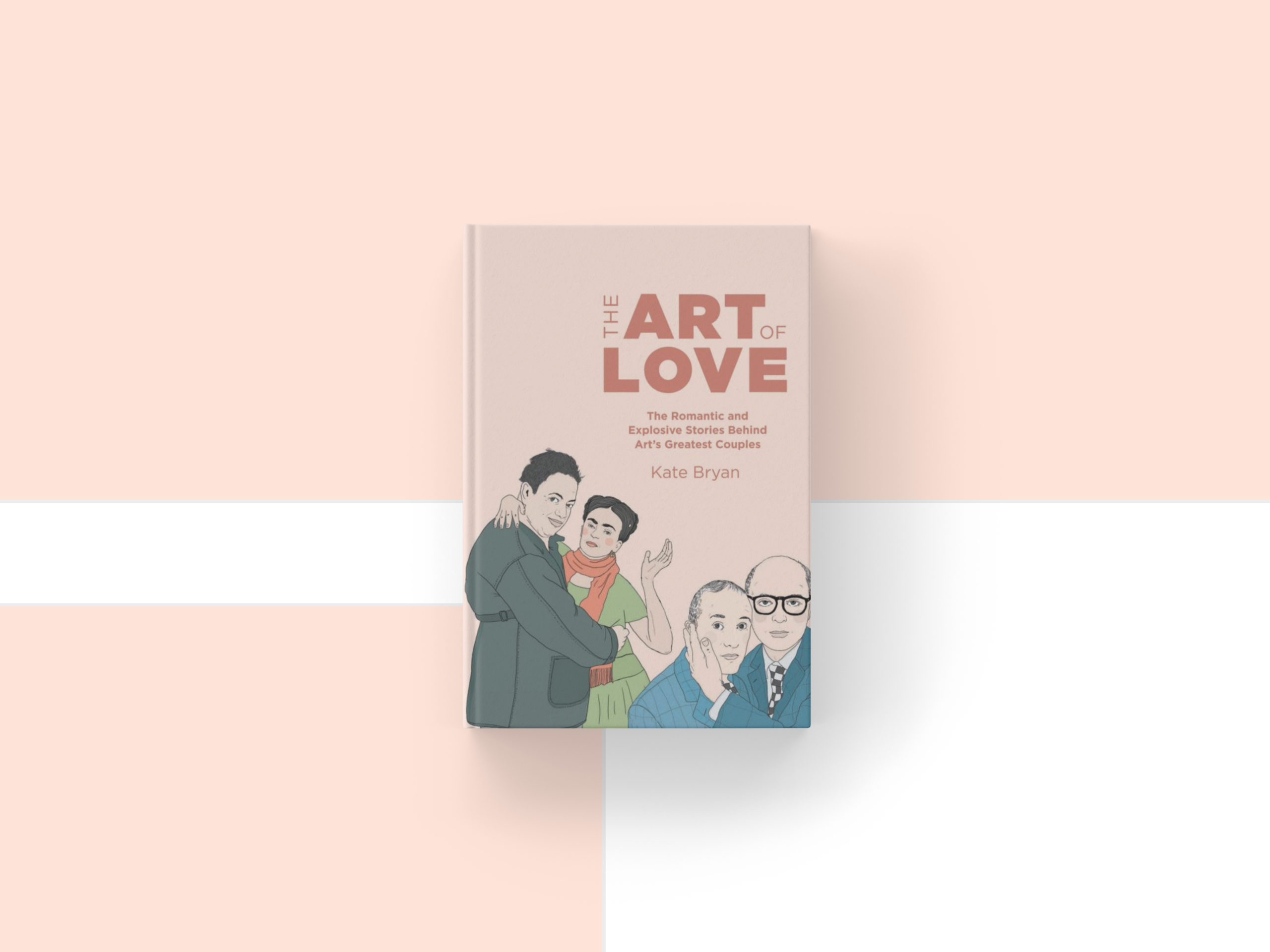
Kate Bryan, The Art of Love
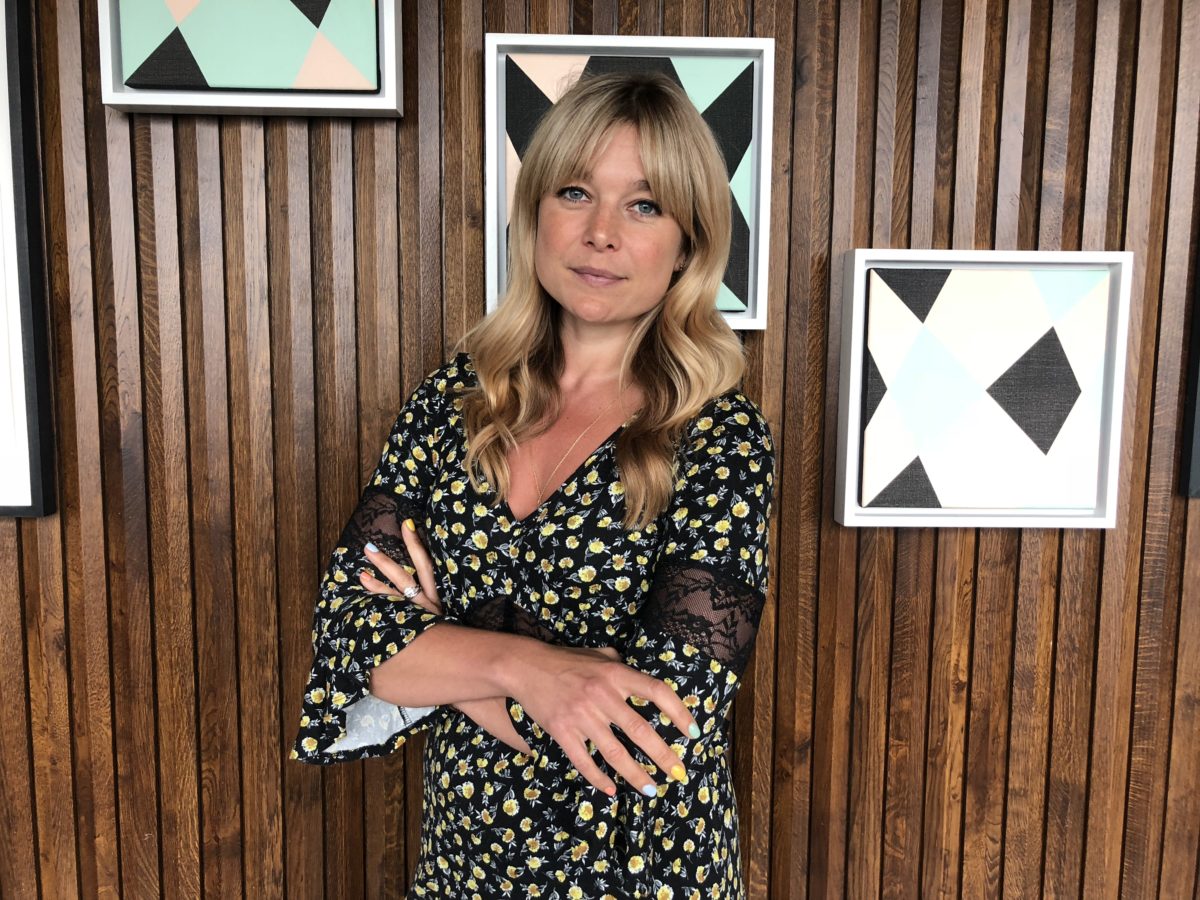
Posted on

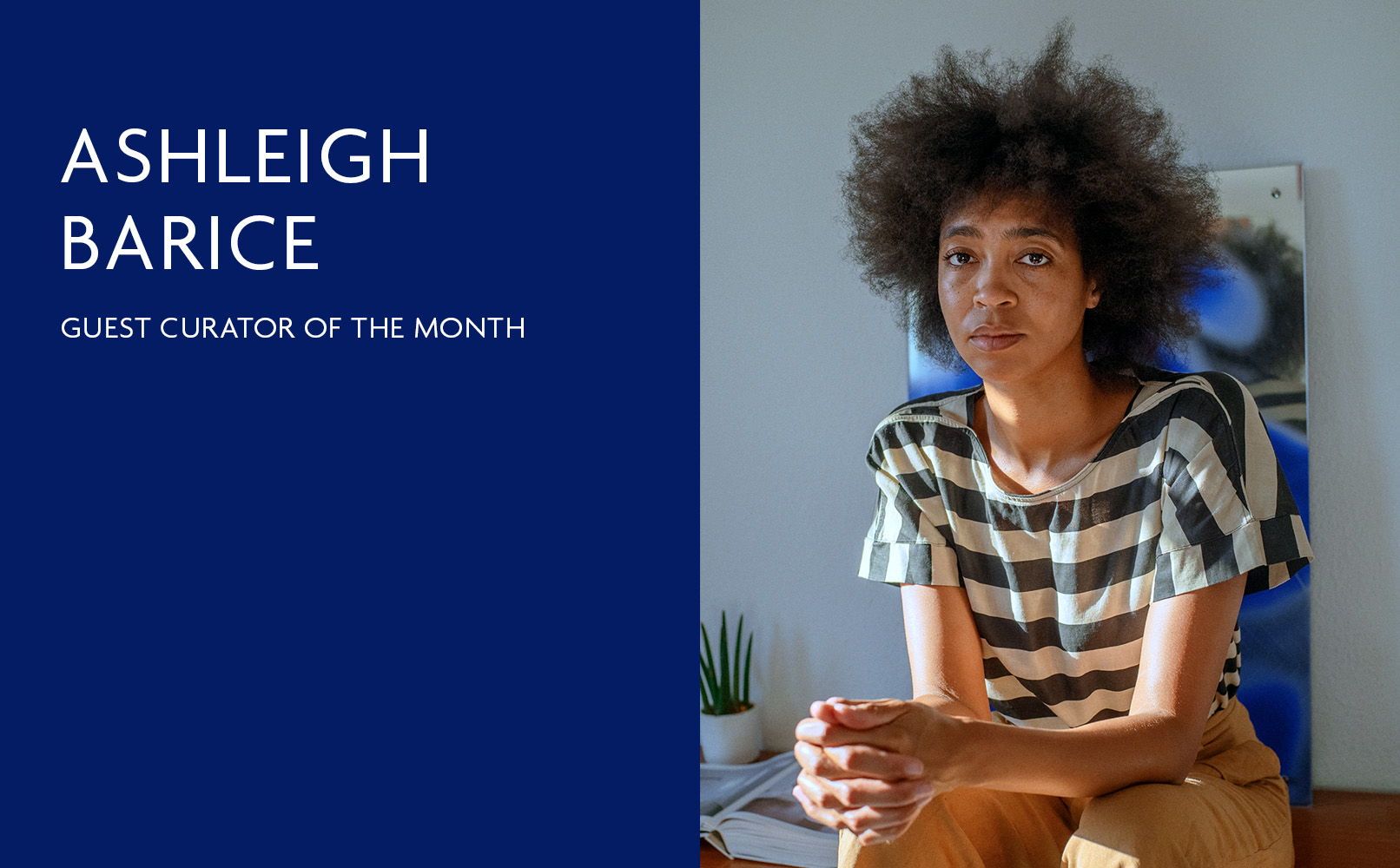
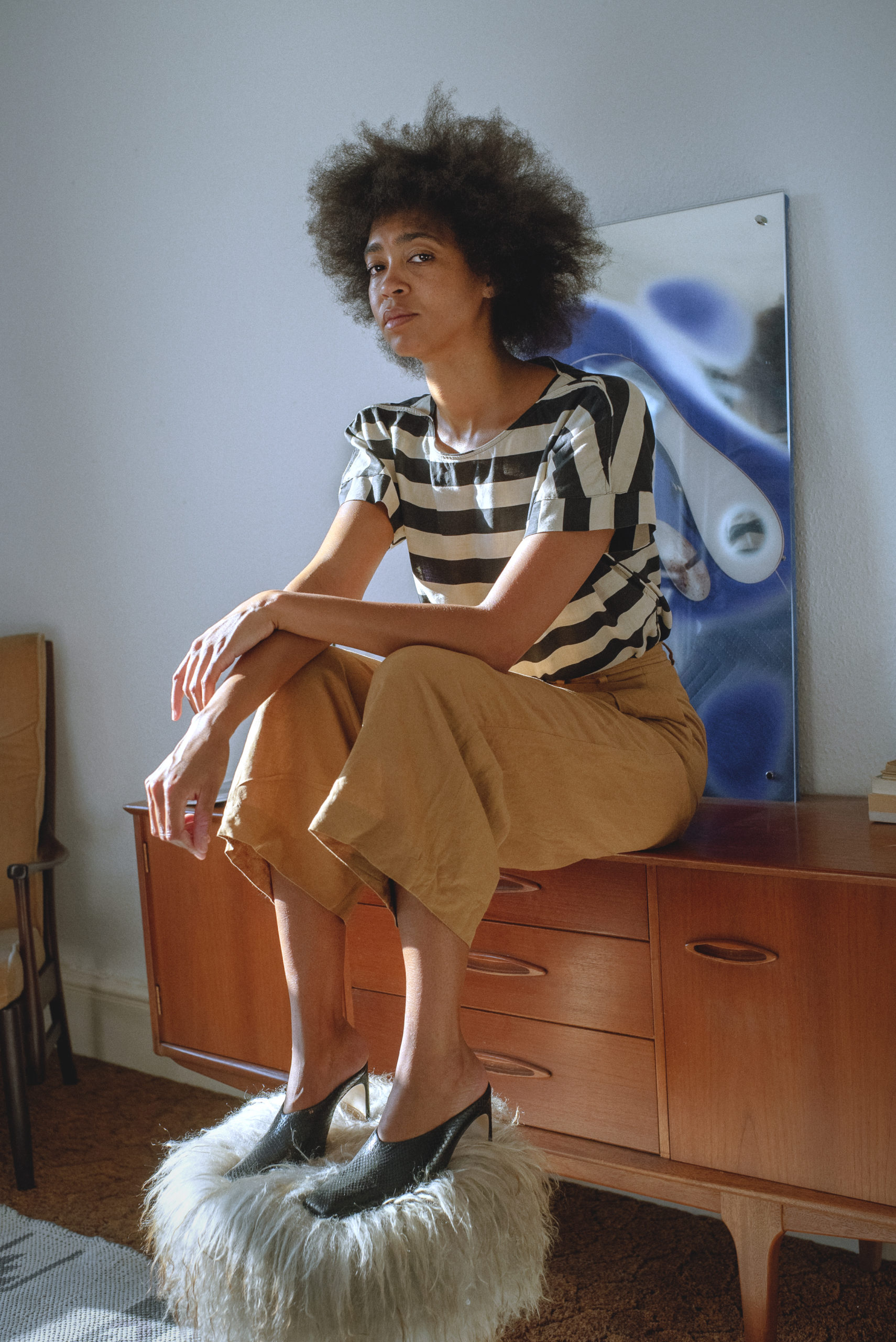
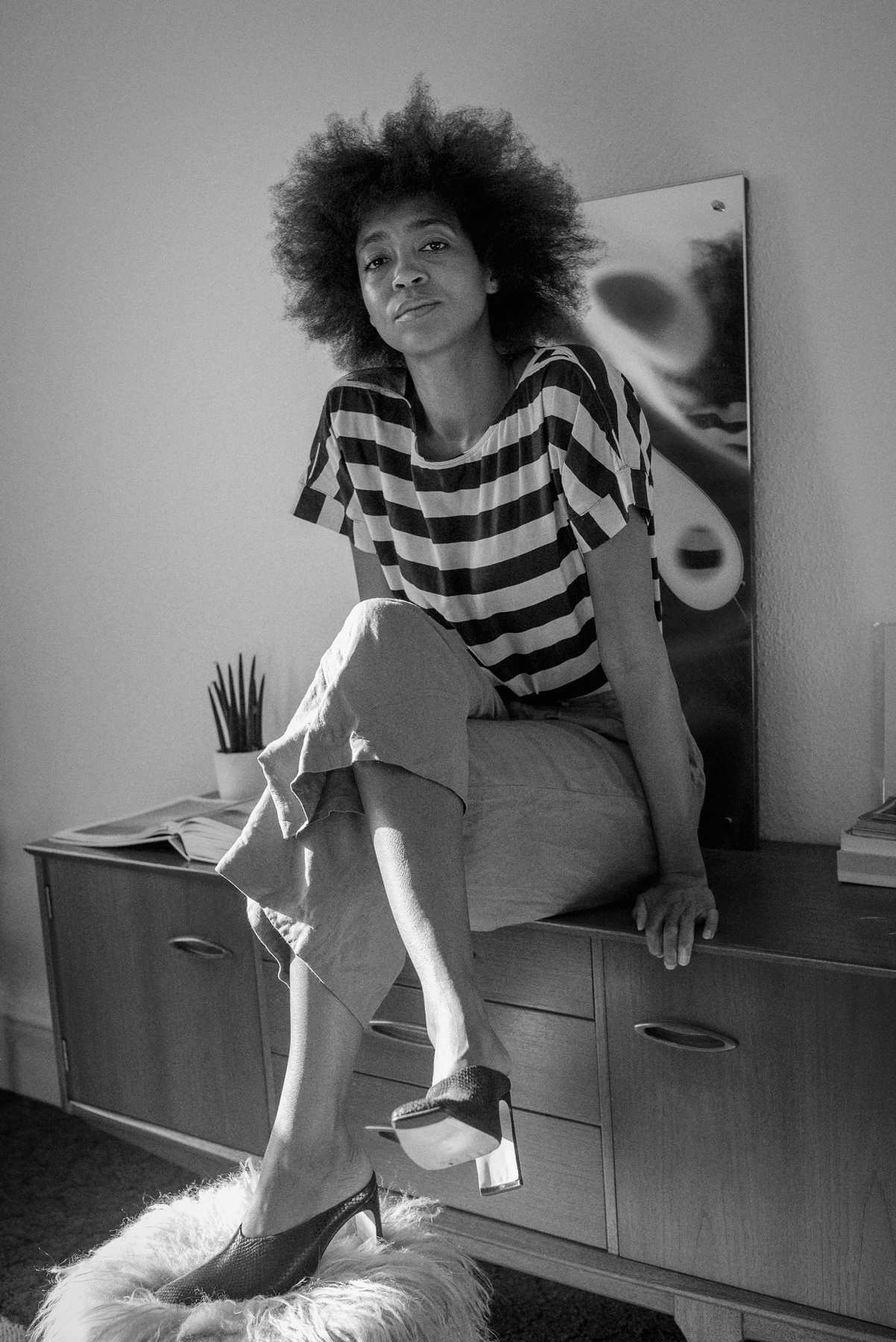
5 Minutes with Ashleigh Barice

Founder and Director of curatorial platform b.Dewitt and AucArt's guest curator of the month, Ashleigh Barice, tells us about her journey into the art world, how to hold space and what should follow after we post a black square.

Tell us about your upbringing? How has this affected your career?

I am 50% the product of a strong Black woman, 50% the product of a strong Black man, and 100% the product of my ancestors. Geographically speaking, I grew up in a suburb of New Orleans known as Terrytown, Louisiana, a 15 minute drive from the city centre. The city itself serves as a brutal assault to the senses; the vibrant Caribbean inspired colour palette, unbearable heat, sinful cuisine, big personalities, world class music, and deadly cocktails. Yet, my introduction to art did not come until well into my undergraduate degree, after having seen a 2008 display of Ari Marcopolous’s photography at New Orleans Museum of Art. My previous relationship with art was one that had yet to be fully realised, as I always thought it to be something inaccessible to me. Girls that looked like me did not really “do the art thing”.

I have always had a deep relationship to the visual and was always a very visual child, having developed a deep awareness of taste in my youth. Not to say that it was necessarily good taste. I have a fashionista mother who also had a fashionista mother, so self-expression became key to my understanding of self. My time in both undergraduate and postgraduate simply allowed me a space to put this into practice through a visual language.

What’s something few people know about you?

From the ages of about 9 – 12 I really wanted to be either a geologist, volcanologist, or meteorologist. I sadly discovered that there was copious amounts of math involved and decided that this indeed was not my path in life. However, I do believe that my rock, mineral and gem collections are still safely stored in my parents’ garage.

How has your education shaped you as the curator, researcher and writer you are today?

Education is such a subjective term that has, for me, primarily taken place outside of the classroom itself. It also took me ages to figure out exactly what I wanted to do after university. I pull heavily from my African-American roots as there is such a wealth of knowledge, source material and pride that comes from this experience. The role of my classroom based education has aided and provided me with a deeper understanding of discourse, methods, and methodology. 

I attended an all girls Catholic high school which is probably the root of my Black Feminism. The turning point in my career was when I changed my major to Visual Art as it laid the groundwork for my curatorial approach, research interests and writing, allowing me to contextualise both catharsis and nostalgia. I suppose my most formative degree was my MRes Art: Theory and Philosophy at Central Saint Martins, that I completed in 2017, as I view my current work as the applied component of my dissertation.

Craziest studio visit & why?!

Not so much crazy, but equal parts terrifying, and a constant reminder of the stain of gun violence and the overwhelming, idiotic lack of gun control and gun possession in general. When I ran a small gallery in New Orleans, I went to a metal sculptor’s home studio. He was a lovely local guy with a great sense of humour, but a bit dark. As we walked through his garden he took his fingers and proceeded to poke them through two holes in his wooden fence, which I came to find out were bullet holes. He then looks at me and says, “I dunno, I think someone got a new gun or something.” 

My previous relationship with art was one that had yet to be fully realised, as I always thought it to be something inaccessible to me. Girls that looked like me did not really “do the art thing”.

What has been the highlight of your career so far?

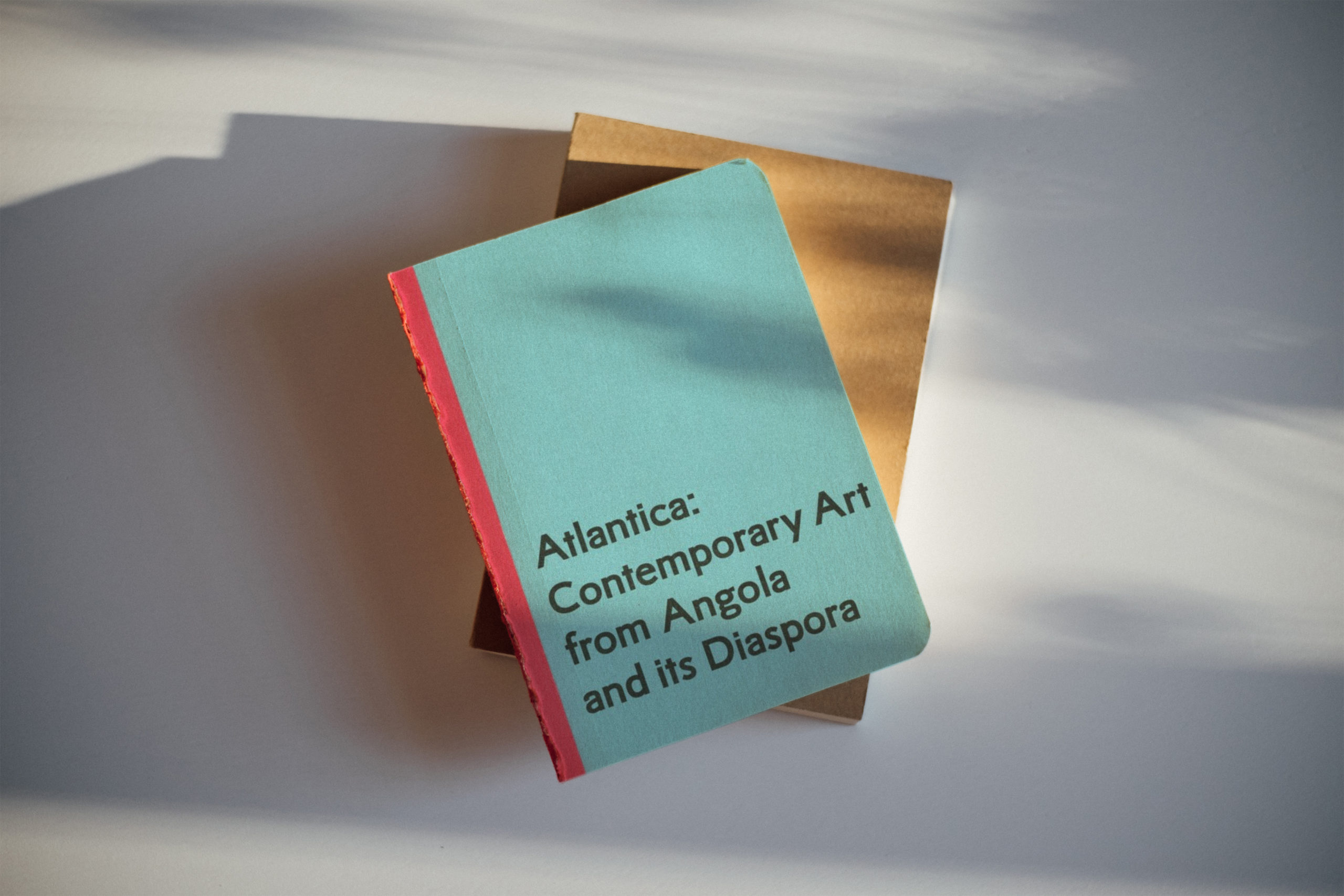
The past few years have been full of a number of incredibly formative career highlights, so it is impossible to narrow it down to a single one. My proudest moments have been the development of my curatorial platform b.Dewitt, the collaborative audit of the Middlesbrough Collection at Middlesbrough Institute of Modern Art (MIMA), contributing to the Hangar’s 2019 publication Atlantica: Contemporary Art from Angola and its Diaspora, and most recently having joined the incredible team at Gagosian Gallery.

What draws you to an artist?

I am drawn to an artist who approaches each artwork as a problem to not necessarily be solved, but to be resolved. Careful of the semantics of the word ‘problem’, but this idea of approaching each work as being complete when it is resolved is very simple yet impactful. This is something that has stuck with me since undergraduate. I am also very drawn to artists who do not lend themselves to the trends but rather create the trend(s) and are not afraid to be confrontational in their practices.

What are the three main things you look for in a piece of art?

The primary things that I look for in a piece of art are nuance, resolution, and timelessness. I love to look at a work and discover something new each time I revisit it. I am incredibly drawn to irony, cheek and a work that I can continuously dig and dig and dig and never really reach the bottom; a work that is infinite in its meaning, yet contained.
What is your favourite genre or style at the moment?

I have always had an intense love affair with painting, specifically contemporary figurative painting. Of the various painters that I have been studying, the two artists that I constantly come back to are Lynette Yiadom-Boakye and Njideka Akunyili Crosby. I honestly cannot get enough of their works, returning to them often as I always uncover something that I had not seen before.
What have you learnt during lockdown?

I have been forced to tackle one of my biggest demons, self-compassion. Entering lockdown, I most certainly had unrealistic expectations of what I would/could conquer during this time, disregarding the mental impact of a pandemic. My primary takeaway is to not only show grace towards others during this time, but to also do the same for yourself.

Do you have a mentor or role model?

The women in my family are my role models, specifically my mother. The guidance, love, and support of these Black women have provided me with the tools that I have continuously used to hold space, which is the absolute foundation of my practice(s). 

If there was one thing you could change about the art world for the better what would it be?

So, we have posted black squares on Instagram, now what? It is no longer enough to merely acknowledge the overwhelming privilege and complicity in our sector. Acknowledgement is the easy part. We are now faced (and have always been faced) with the more challenging task of prioritising substantial institutional and structural reorganisation. The primary thing that I would change about the art world is LEARN TO LISTEN.

Is there an alternative underlying narrative that has occurred in your selection of works for this month’s auction – if so what is it?

There are a few different alternative narratives, but I would say that cultural custodianship and stewardship would be the most present. Though I feel slightly anxious about defining myself as a curator, I often refer back to the original concept of curator as ‘keeper’ and ‘caretaker’. However, I do not feel as if this role is limited or unique to myself in this selection of artists. I believe that both the artists and myself represent a form of custodianship of our culture and this selection is most certainly a representation and embodiment of just that.

Posted on

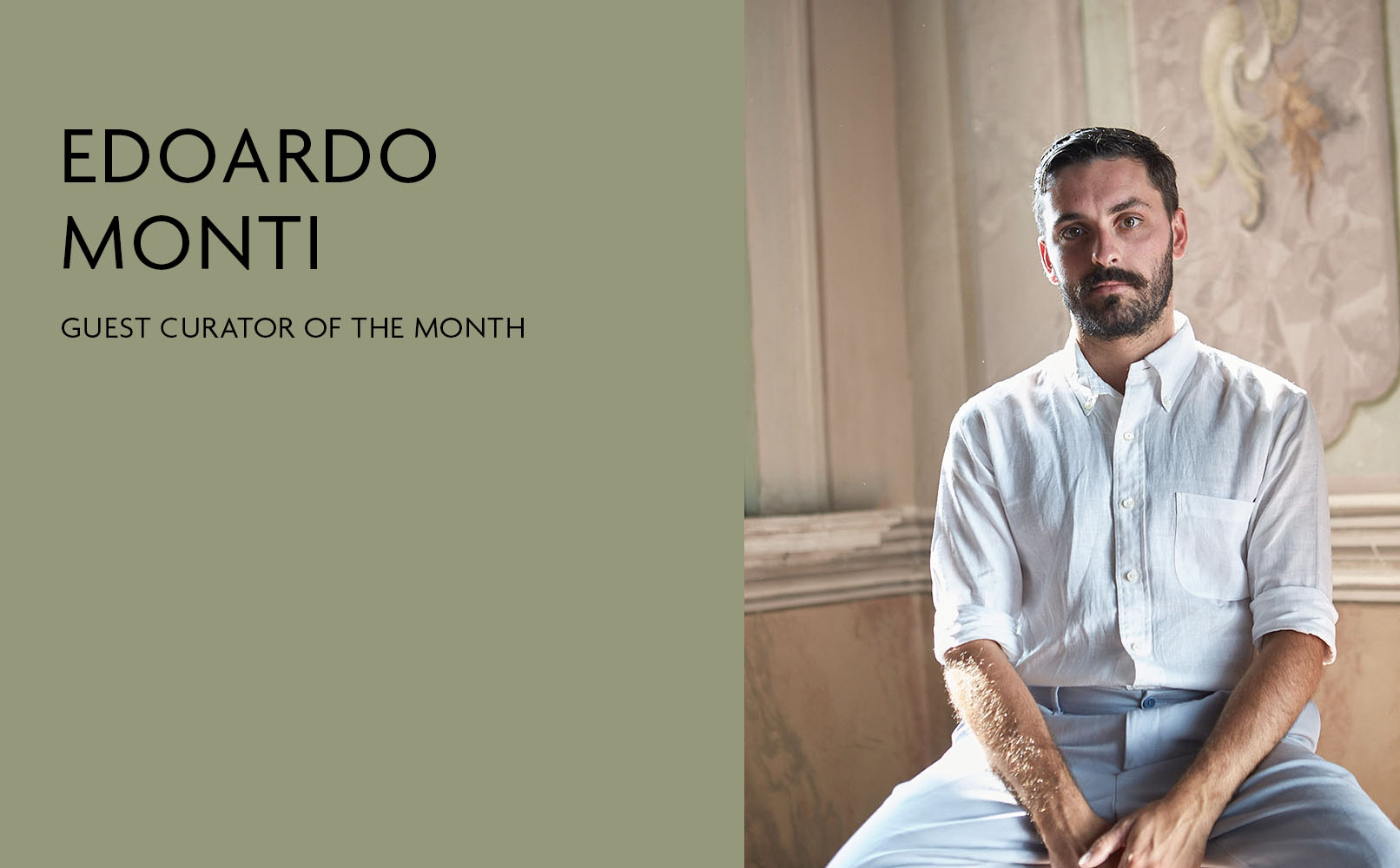
5 Minutes with Edoardo Monti

Collector turned curator, Edoardo Monti tells AucArt the story behind his residency programme, what he's looking for in a piece of work and how we can change the art world for the better.

Where are you from & what was your upbringing like? How has this impacted your work?

I was born in Bergamo, a city near Milan and close by to Brescia, which is where Palazzo Monti is located. I spent my first 18 years in Bergamo, which is a lovely city just under the Alps with great architecture. It is very close to Milan, so that allowed me to go there quite often when I was young for shows, exhibitions and to galleries. After living there for 18 years, I moved to London and then New York, where I spent 8 years. My high-school education in Italy was Classical; studying Ancient Greek, Latin, Philosophy and Languages, so that gave me context to the art I appreciate today. I’ve always liked beautiful things and my upbringing had a huge impact on this. As a result I prefer to have less things but better quality, whether it’s design, food, art, or fashion items. This is something I’ve learnt from my family and I have definitely carried it with me through my travels and now more than ever, through Palazzo Monti. 

Tell us one thing few people know about you?

I first started collecting stamps when I was very young, which I think is something quite common in kids. It’s something fun, takes up time and it requires organisational skills, which are always good to practise. I’ve since then abandoned that passion, but there was a first time when I realised that I loved collecting things, gathering, owning and cataloguing them. Owning not just to keep for oneself, but owning something in order to elevate it and protect it from being damaged or destroyed. So I started collecting stamps and other objects and that brought me to art eventually. 

What was the inspiration behind turning your mother’s childhood home into the Palazzo Monti residency programme?

In 2016 I was in New York working in Communications for Stella McCartney and I was a bit frustrated with my job. I started hanging out with a bunch of artists, gallerists, curators and collectors, who are now great friends. That really made me think of what I could do with my skills, my passion for travel, creating content and facilitating projects. I had this space available and was thinking what I could do to support this community. It was kind of natural, you know. It took a year to come up with a project, a name, graphics and a programme. Then we launched and a year and a half later I decided to move back to Italy. So in short, there was this desperation to be a part of this community of people within the art world that I wanted to support and have an active role within, rather than just collecting.

 How did the residency come about and what does it offer artists?

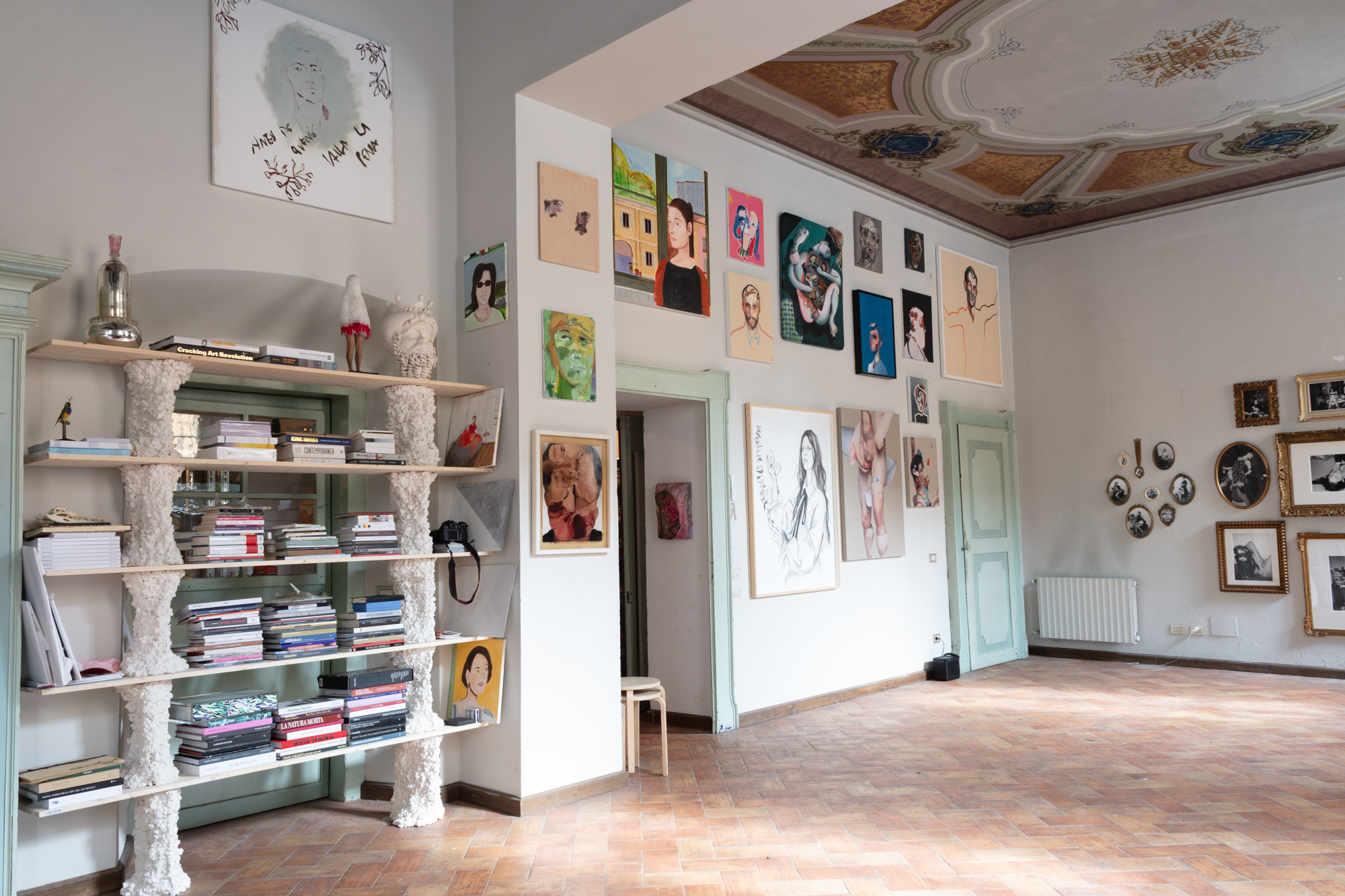
It came out of having the incredible opportunity of counting on a space like the Palazzo Monti, which happens to be a 3 storey Palace. I knew that it would be a great space for artists to be inspired by. Not only is the building beautiful, but it is also large, which allows room for 6 artists with private bedrooms, exhibition and communal spaces. It is quite unique. There is the opportunity to have private studios or shared studios and importantly, we offer a free stay. We can’t always guarantee an exhibition at the end of the residency. There are, however, different models for how we showcase the work. It could be a solo show (if that’s something we plan ahead), it could be a group show, a dinner, a performance or an event or open studios.We always have an active calendar that changes week by week, where we of course respect the artists space and time because you know, it’s not a zoo. We encourage social moments where we use our contacts to gather people and showcase their works. So a lot of support is done through the residency. We also have an incredible number of artisans that we work with who provide support when one has to work with metal, marble, wood, glass etc, which is often difficult to find in other cities. 

However, I think what the residency offers through me personally, not Palazzo Monti, is what comes after. This is the time when you really have to work by keeping your eyes open, working on projects (like with you guys) to support artists past the residency. During the month I spend with them I get to know them; how they work, how they respect themselves, their space, other people, their practise and that allows me to know how the artist operates. It’s like a long studio visit with breakfast, lunch, dinner and all the between. That allows me to have an ever growing list of people that I can work with and support. There’ve been 150 artists to go through our residency so far. Not always do we end up having a strong relationship after, but with most of them, I’d say 90%, I’ve become really good friends with and are always in the back of my mind when I’m working on projects.

Your focus is on young artists, could you tell us a little more about why?

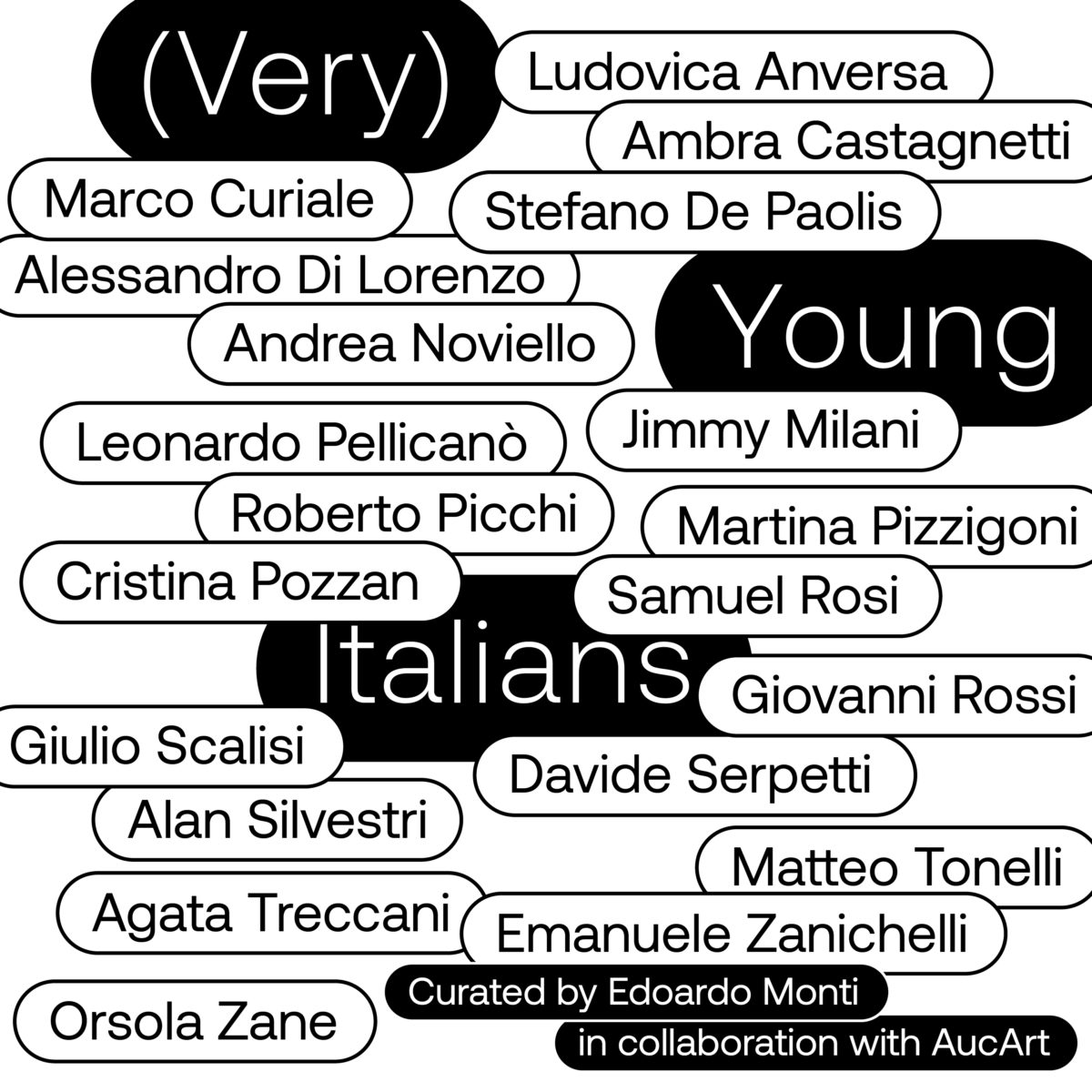
For two reasons. First of all if you support dead artists it’s not supporting, it’s just benefiting estates, galleries, collectors and auction houses that count on people to be dead to raise prices. I do believe to some extent that art should be about investing, but not necessarily just like that. I wouldn’t want to be the art dealer in a suit that sits at a desk and deals with phone calls and people that aren’t around anymore, they already have people looking after them. It’s much more exciting to find and foster talent and then support it. Whenever I find an artist who doesn’t have a huge following or is still in school, I think it’s great. In fact, the artists I’ve chosen for this month’s auction were all born in the 90s, which is why I have called the show “(Very) Young Italians’. It’s pretty much unheard of in Italy, that is, to have a show dedicated to artists that are all under 30. I want to help the people who represent the future of art and of course it’s a lot easier for me to relate to people my age. I am 28. I’d much rather be the one who made the difference to these artists’ lives at the beginning of their career.

How have you seen the location of the Palazzo and Brescia impact your artists and the way they work? 

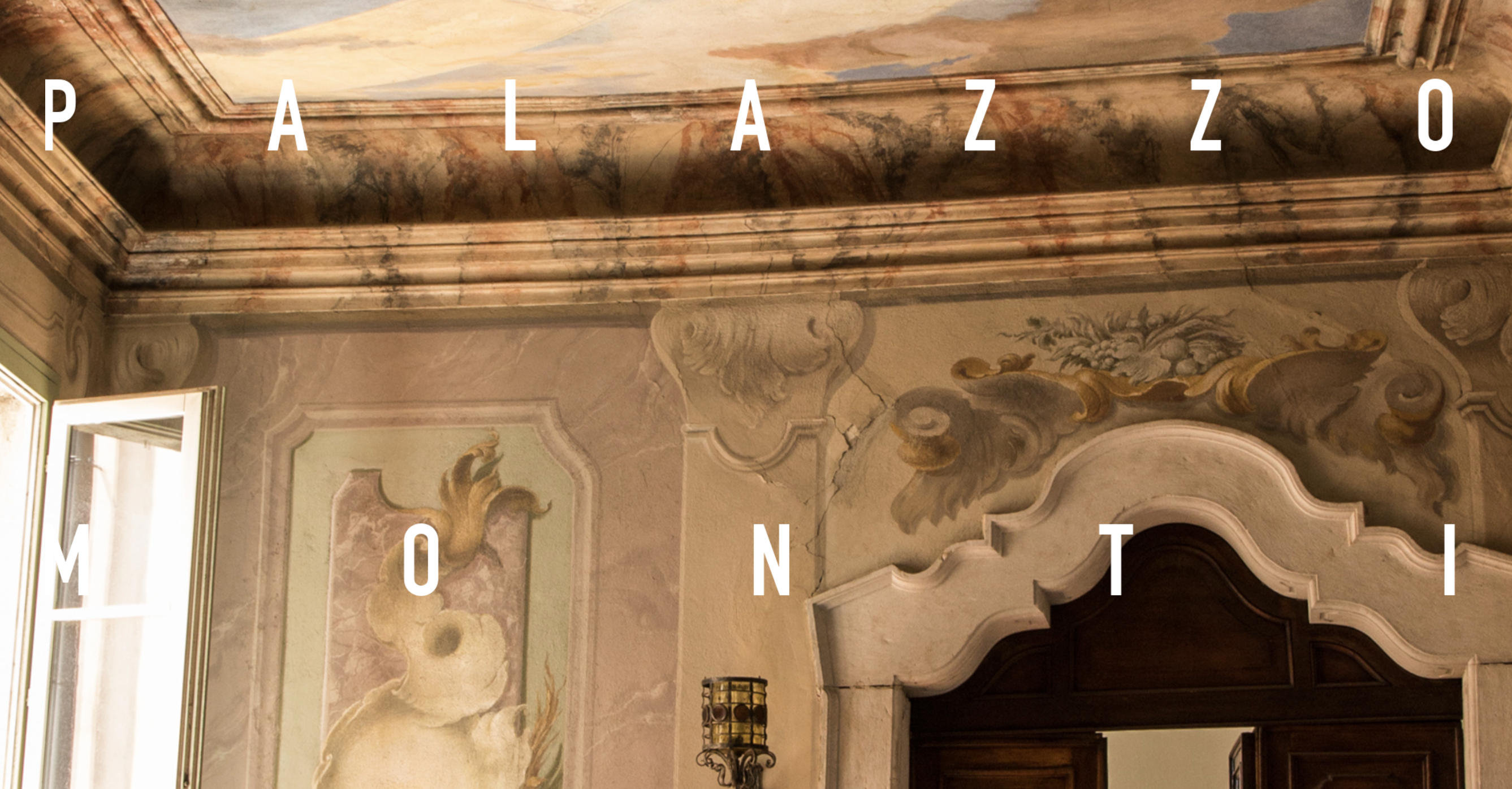
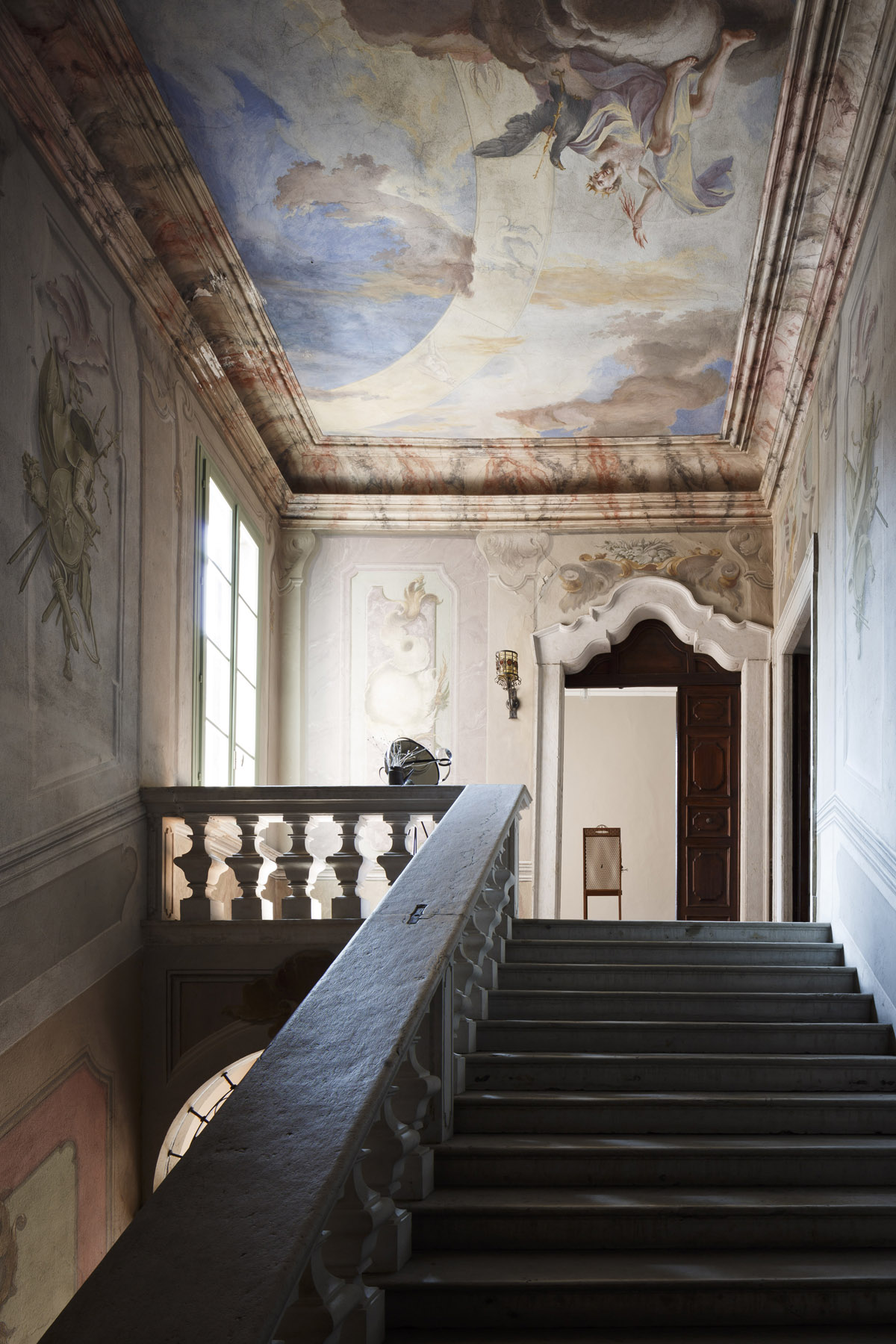
In a way it happened how we expected it too. The palette of Brescia is light pastel, so the light that reflects into the studios affects how the artists see. As a Roman settlement, the city bears 2,000 of History to provide stimulus and the frescos within the Palazzo definitely help to provide constant inspiration too. Artists also inspire each other. We’ve seen photographers picking up clay and coming up with beautiful sculptures because another artist in residency invited them to be creative in a new medium. Because it’s an international residency the artists contaminate each other. That has been extremely exciting. 

What has been the highlight of your career so far?

There was a show last year called “OSSESSIONE” –  obsession – with 9 Italian artists. You can find it on our instagram account. That was a huge step for me because for the first time, out of 9 artists that we showed, only 2 joined Palazzo Monti for a residency, all the others were coming from private collections, galleries or the artists themselves. All of them also were/are working with the best galleries in Italy, when it comes to contemporary art. For the first time I was able to gain trust from all of these institutions and people and collectors that were willing to give a piece temporarily to showcase. That really meant a lot because that was the first time I was really like wow, I’m respected enough to go and be trusted and gather these works. That for me was a huge step. 

Do you have a preferred art form i.e painting, photography or sculpture?

Yes I do. I’m kind of old school. Maybe because I was born in Italy I am a sucker for figurative painting and figurative sculpture. Thanks to the residency I have been able to appreciate mediums that I perhaps wasn’t even considering before. I’m talking about photography, videography, digital art. It’s been 2-3 years that I’ve been into these mediums. However, I still haven’t been able to build a strong collection of these works. My collection is pretty much still just paintings and sculpture, but the residency has definitely intensified my interest in these works. 

Do you create artwork yourself?

No. I would love to. I just simply don’t have the time or the talent. I do however love being a part of the production process. There is an input sometimes that the curator gives, directing, guiding, suggesting what kind of works the artists could be working on or how to conduct them. Definitely not influencing too much, but you know, giving an opinion. I also love, when it comes to bigger productions, such as sculptures and installations, to be a part of the proactive process because I know so many artisans in the area that can produce incredible works with the support of the artists, so that’s something I really like to do. A forehand production, but of course always giving the credit to the artist. 

If there was one thing you could change about the art world for the better what would it be?

I would definitely try to give more chances to artists that are not given equal opportunities. When you think of the art world you’re thinking of 99% white male older artists where female representation is historically 0%. Minorities, victims of systemic racism, LGBTQI artists, artists with disabilities, natives – they aren’t represented. I don’t want these categories to become check marks that a gallery has to apply whenever they’re doing a show, like “oh yeah we need to have one gay, one lesbian, one trans, one female artist to be okay”. I simply would like, perhaps in a dream world, that people would just look at the art first, rather than their names, location, age and colour. That would really be something I would like to change. What I’m doing, or at least trying to do, is to have a very strong and beautiful Code of Ethics for Palazzo Monti, where we don’t discriminate, where we are open to any medium, artist, age and religion. You can see this being applied through the variety of artists we’ve had so far.

What’s your most memorable moment at Palazzo Monti?

The night that we presented “OSSESSIONE”. We always do these large very beautiful dinners at the Palazzo after each show because it’s a way for us to create a very convivial, community moment and also to thank the artists, collectors, curators and galleries that come from pretty much all over the world. We had so many people travelling. That day specifically on top of my favourite artists, we had over 50 friends, so that dinner was amazing and a very moving moment. Having friends with me and artists who we want to support, celebrating a show and being at the Palazzo was really the best night I could think of. It also just happened to be my birthday.

How did you feel when you bought your first artwork?

You feel great! You feel like you finally get to own something that you love and can share with your friends and look at everyday. It’s also a way to connect with artists. When you buy a work you get a chance to meet and chat with that artist, but also let’s not forget that by getting a work, you support other artists. Buying through a gallery supports an entire system; not just that artist, not just that gallery, but other artists that may come after. You forget about the money you spend and you just feel happy. It’s the best emotion. It’s also dangerous and could be addictive in a way. But it’s also just fantastic. It’s great that nowadays you can have any budget, you can support an artist with €50 or less. There’s no limit to the support you can give and what you get in return is priceless.

What is it that attracts you to a piece of work and makes it collectible’?

I’ll say something perhaps a bit controversial. I find it a bit difficult sometimes investing in photography, videography or sculpture that have editions, simply because sometimes in objects the value lies in the fact that they’re unique, right? I think that the fact that these mediums have editions makes it feel monetary. I would much rather spend a bit more money on a work like that, knowing that it’s unique, rather than having it in series. It’s difficult to justify the price that is high when you know there are 20 – 30 pieces around. What makes it collectible then? That it’s unique. Not because I want it to be just in my possession, but simply because there’s that sense of something being precious, if it’s original and not reproduced. Again I’m totally down for it if the artist shares images of their works online. So of course works can still very much be enjoyed by everyone in this way. But I don’t think Caravaggio would have become Caravaggio if there were 25 of each of his paintings available in the world. That has an impact for me. 

I am a sucker for figurative paintings and sculpture. When it comes to figuration, the first impact is very brutal. I either like it or I don’t. It’s just so important. I understand it’s fascinating to hear from artists; the story of the work, how it came about, their philosophy and the title, but at the end of the day it’s something you’re going to have on the wall and look at. If it’s something you’re attracted to, whether it’s the colour, the shape, the subject, the medium, then you fall in love with it and you want to get it. That’s a ‘collectible’ for me.

Do you believe your relationship with an artist impacts your perception of the artwork?

Yes, absolutely. That’s why I love to be involved with young contemporary artists. Sometimes you love the person and you really want to support them and the best way to do it is by chatting and talking about their work. Now there’s two bad situations and there’s one good one. A bad one is when you love the artist but their work is not great. That sucks because you feel obliged to support them, but you don’t really want to take your help from someone who perhaps deserves it more. It also sucks when you love the work but the artist is an arsehole. The best situation is when you love the work and you love the person. Getting to know these people and spending so much time with them sometimes allows me to appreciate the work more. Say there’s a work you don’t understand or appreciate that much, when you get to know the person and the story behind it, the work often means so much to you because it represents that artist. 

What advice would you give to someone looking to buy their first work?

Of course like everything in the world it all comes down to money. It’s best to start looking once you have enough that you feel comfortable investing in something that may never come back to you. Let’s be honest, art in a way is like stocks, nobody can guarantee that the prices will go up and most importantly nobody can guarantee a resale value. It’s really really difficult to re-sell contemporary art so just invest in something that you like and believe in, something that after doing some research you think has a good price. Then just go with the flow. 

A lot of people who want to start investing in work or collecting can’t even get into the system of meeting the right people or justify requesting a studio visit. Platforms like AucArt are really useful because you can just browse and compare. You can look and see the differences and understand why a work of 10×10 sometimes costs £1000 or sometimes £10,000 and really get to know the story of the work and appreciating it. So start with a budget and do you research. Don’t be influenced by articles and by ‘what’s cool’ and ‘what’s not’. Again it’s something that’s going to be on your wall, perhaps for the rest of your life, so just go with something that you like.

Edoardo and AucArt both support the practice of International emerging artists, if you could give an artist at the beginning of their career one piece of advice – what would it be?

I’d give very practical advice: know how to handle taxes. I know it sounds stupid, but it’s very important. Nowadays more than ever as artists have international shows with shipping. As a creative you can deduct expenses like rent, transportation, food sometimes and definitely products. I can’t speak for the world because I’m not an international tax expert, but I know that most countries have benefits for this. Yes, accountants cost money, but I’m telling you it’s a little investment which will benefit you long term. Look after your taxes – it’s never too early to start doing that. 

Is there an alternative underlying narrative that has occurred in your selection of works – if so what is it?

I don’t really have one. When I curate a show I always try to not think of myself as a collector, i.e. not thinking of the works that I select as something that I would personally like to have, but instead thinking of the message that I want to give. I’ll go back to the example of “OSSESSIONE”. I analysed a different variety of psychological obsessions; repetition, gathering, cleaning, counting and I found in each of the artists that I wanted to support a reference to these obsessions. Then the works that best spoke about this came up and were called in for the exhibition. Of course there’s always a subconscious draw towards a work where you love it and use it, so that other people can appreciate it as much as you do. For ‘(Very) Young Italians’, I think the message of supporting young Italians is really strong and I found so many different mediums: video, photo, prints, digital art, paintings, sculpture, photography to showcase this. It depends each time and that’s the beauty of it. I don’t want to be the curator only known for favouring a specific theme or medium. I want to be flexible and exciting. 

Posted on

In the Studio with Kristy Chan

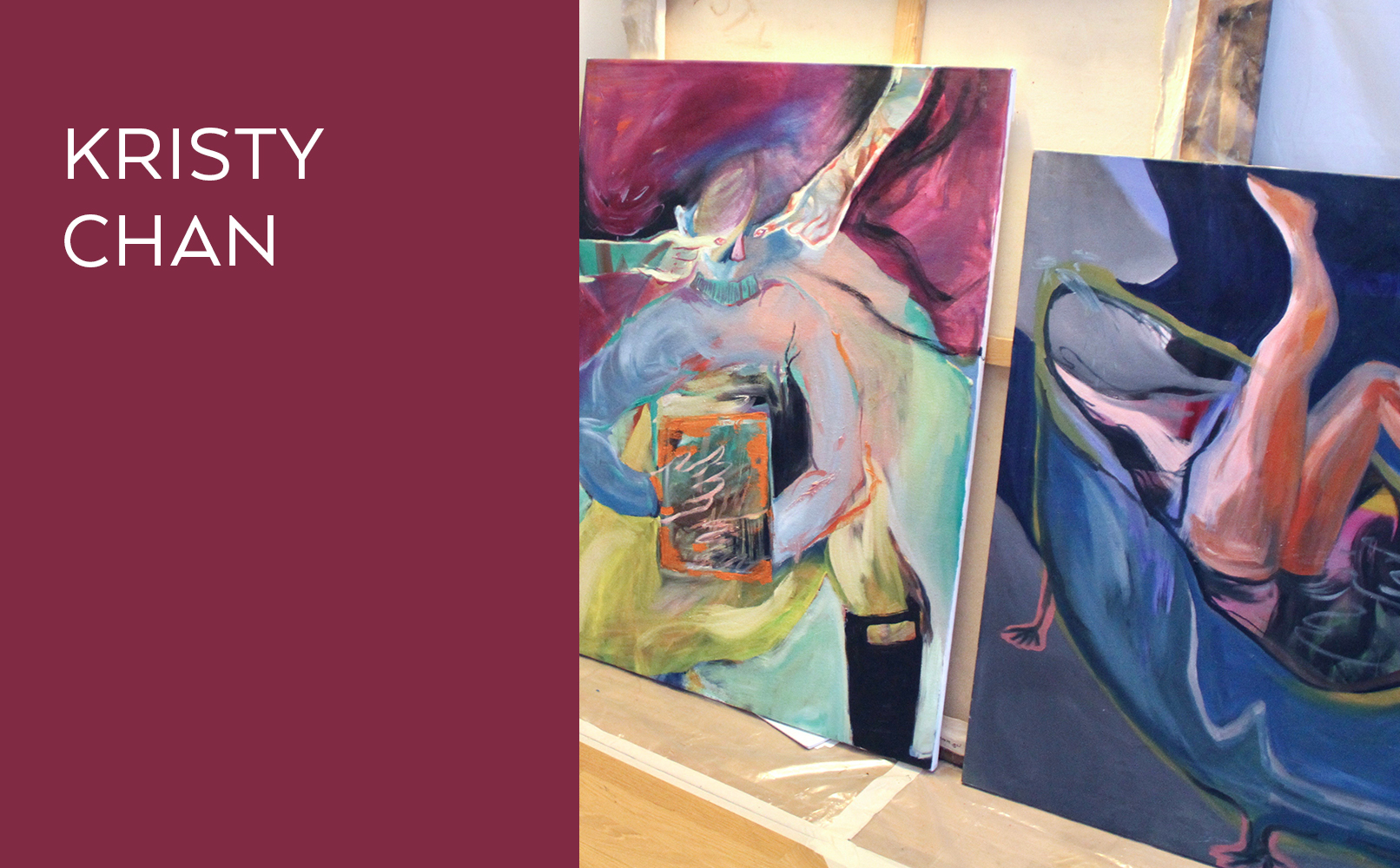
The holographic works of Hong Kong artist Kristy Chan explore notions of displacement, movement, and change. We met with Kristy to talk a little bit about her artistic practice, influences, and where she began her journey.

When did you first begin to see yourself as an artist?

Possibly when I was first surrounded by artists on the first day of Slade and I felt like I belonged, and like we were a group of artists. The word “artist” somewhat intimidates me; there’s this common perception of differentness and mysteriousness that I don’t identify with. Being surrounded by fellow artists made me feel grounded, that I’ve found my identity. 

Where are you from and what was your upbringing like? How has this impacted your work?

I’m originally from Hong Kong. My upbringing was unfortunately mainly about grades, occasional piano lessons that I hated, and rugby. I always enjoyed crafting and drawing but my art teacher at school told me I wasn’t creative enough to be an artist. Funnily enough, the only reason why I left for the UK was that my Chinese Literature wasn’t up to standards for the top universities at home, so my parents sent me here for A-levels. A-level art was where I fell in love with painting and have discussed extensively with my art teacher from boarding school in the UK about how the rigid curriculum kills artists.

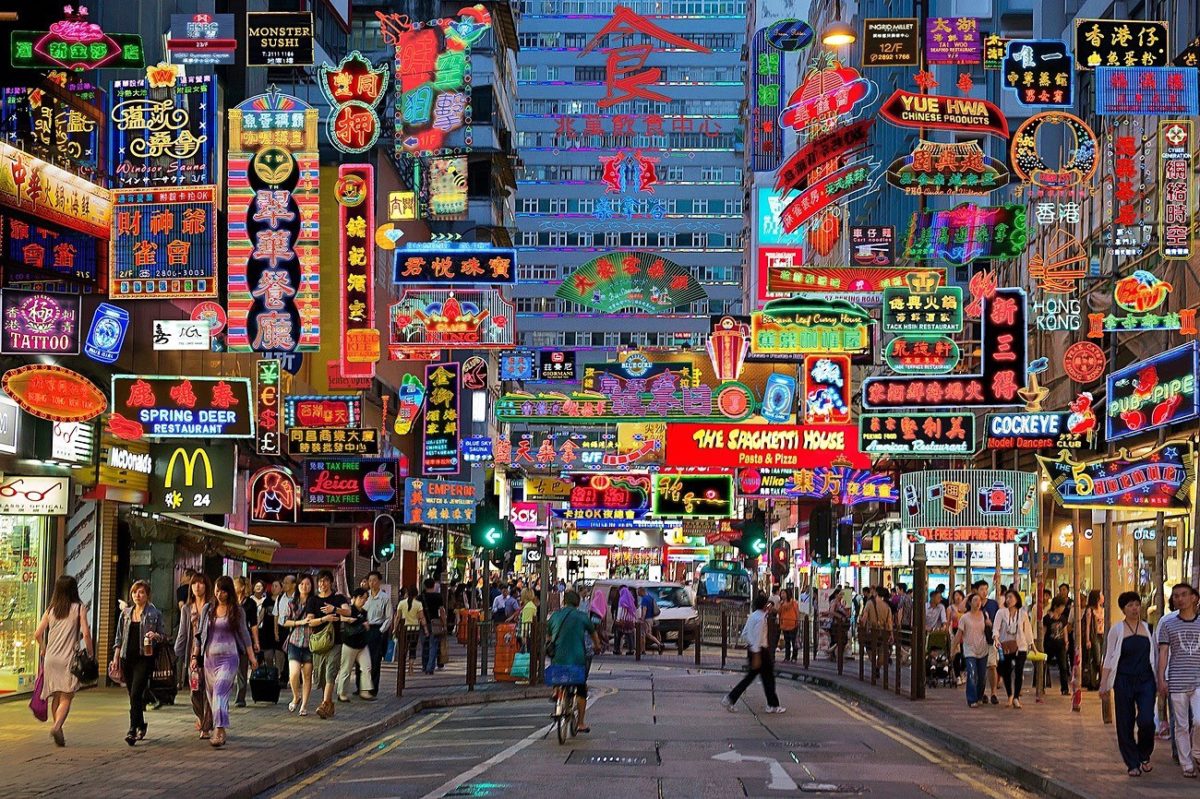
Growing up in such a fast-paced city charged with constant change has influenced my work, which explores the notions of movement, change in my surroundings and the displacement of self. My paintings are often like a wonky jigsaw, pieced together from completely different puzzle boxes of memories and thoughts. It’s kind of like if I were different store owners putting up different neon signs and the photograph you take of the street full of neon signs is my painting (if you google Hong Kong Neon Lights?) Does that make any sense?

Peking Road, Tsim Sha Tsui, Kowloon, Hong Kong The Medium.com

Paint us a picture of your artistic journey. Have you gone through the traditional route of art school and what was your experience? 

I went to Slade for my Bachelor’s immediately after I graduated from high school in 2016. Art school was very relaxed. The people were lovely, we just sat around, chatted a lot, ate, snacked, drank loads and made art. It allowed me to really focus on my own practice and to find my own voice and I learned a lot from just being around artists at school. 

What’s the message of your work? Are there themes/narratives/purpose? 

I think that ultimately my works are about appreciating things around us. People are very hard to satisfy these days. My paintings mostly depict man-made things. Bathtubs, trains, restaurant food (sashimi and pizza mainly), it’s pretty awesome that we can easily access these things because someone went out of their way to make our lives so convenient (maybe too convenient)  and everything around us deserves to be appreciated. 

Where do they come from? How would you describe your aesthetic? 

The idea of displacement. Displacement of the body, of thought, place, colour, but not in a troubling way. It’s like, the first person who thought of putting chilli flakes in chocolate, weird but great. 

Who and what are your greatest influences? 

Ancient Greek vases, Heidi Bucher, Albert Oehlen, Sigmar Polke, Elmgreen and Dragset. 

Are your works planned? What do you want people to take from your work when they view it? Do you have the audience consciously in mind when you are creating?

I don’t plan my works because I know that they will not end up looking like what I had in mind an hour ago or two months after. They keep changing and I have a hard time keeping track myself. 

As I said before, appreciating things around you and also appreciating weird and random thoughts that you have, because that is creativity right there, and you just have to harvest it.

What events in your life have mobilised change in your practise/aesthetic? How has your art evolved? Do you stick to one medium? Do you experiment? Do you see any parameters to your work?

Life’s been really nice to me, so I just make work to record and document these snippets of wholesomeness. Every work has a story or a collection of personal stories and it’s hard to get the full narrative because it’s so personal. I’ve got a painting of me admiring a beautiful staircase that leads to a terrifying dentist appointment on Euston Road and another about falling off a hammock and all the things I’ve experienced in rural Finland. 

Apart from painting, I also love making etchings, but sadly I don’t have the equipment for it at the moment. I’ve also been thinking of making another stop-motion animation, just not quite sure what yet. 

Wake up, have breakfast, paint. Leave life admin to the afternoon. I’m very productive in the morning as I wake up at 5:30-6:30 am every day (mental clock). So I try to get some painting action going before I do anything else. It makes me happy and sets the day right.

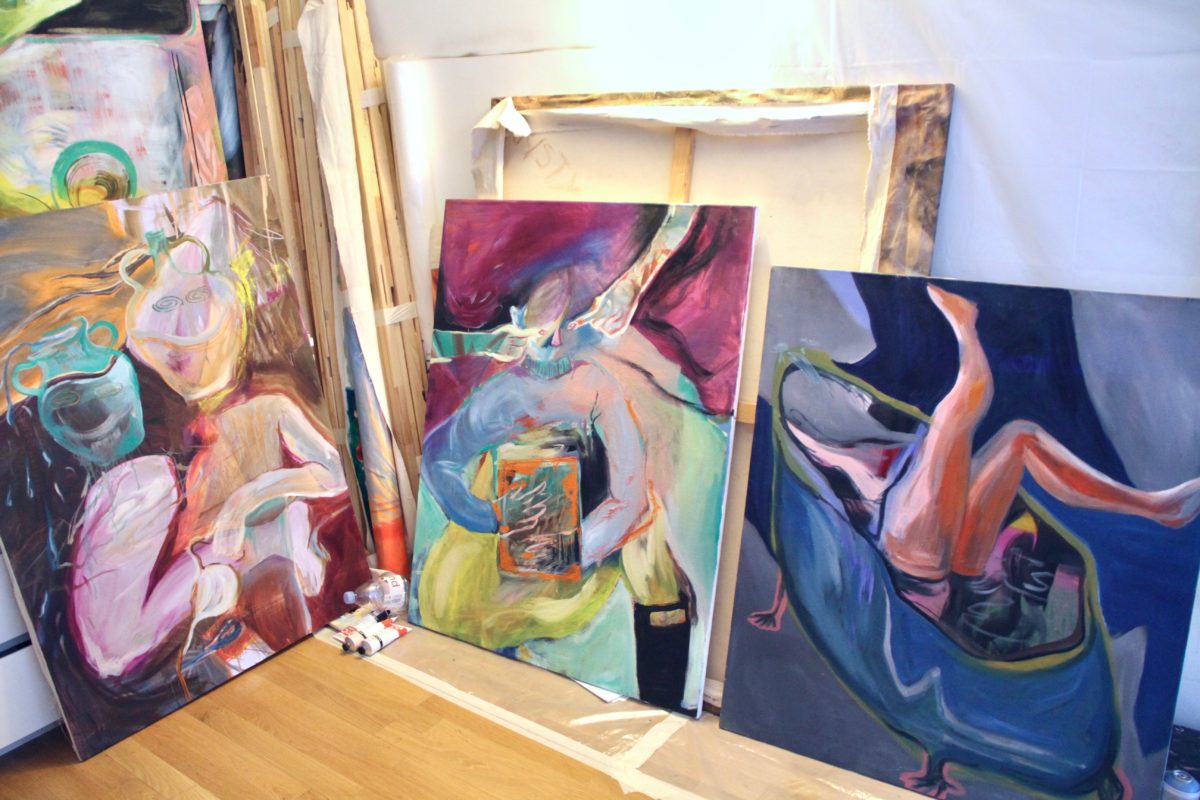
Amphora Pods, 2020

Oil on canvas
120 x 90 cm

Nail Eyes, 2019

Oil on canvas
120 x 99 cm

What are your ideal conditions or catalyst for creating a “good” piece of work?

Good breakfast, warm water, good mental health. 

What are your goals for the future? (Projects, collaborations)

I’d love to do more residencies as I love to self-displace. Responding and adapting to new environments are so fun to me. I try to achieve that by moving furniture around every 1-2 months at home. 

How has your art practice been affected by self-isolation?

Now that I don’t have to get ready in the morning to go to lectures, I’ve actually gained more structure to my day and the momentum to make work, as my studio is inside the flat. I don’t get to experience and make memories as much, but I find myself going into my memory achieve, which is rather lovely. 

Are you creating new work while social distancing?

Yes, I’m making a lot more work than I used to as I’m less busy!

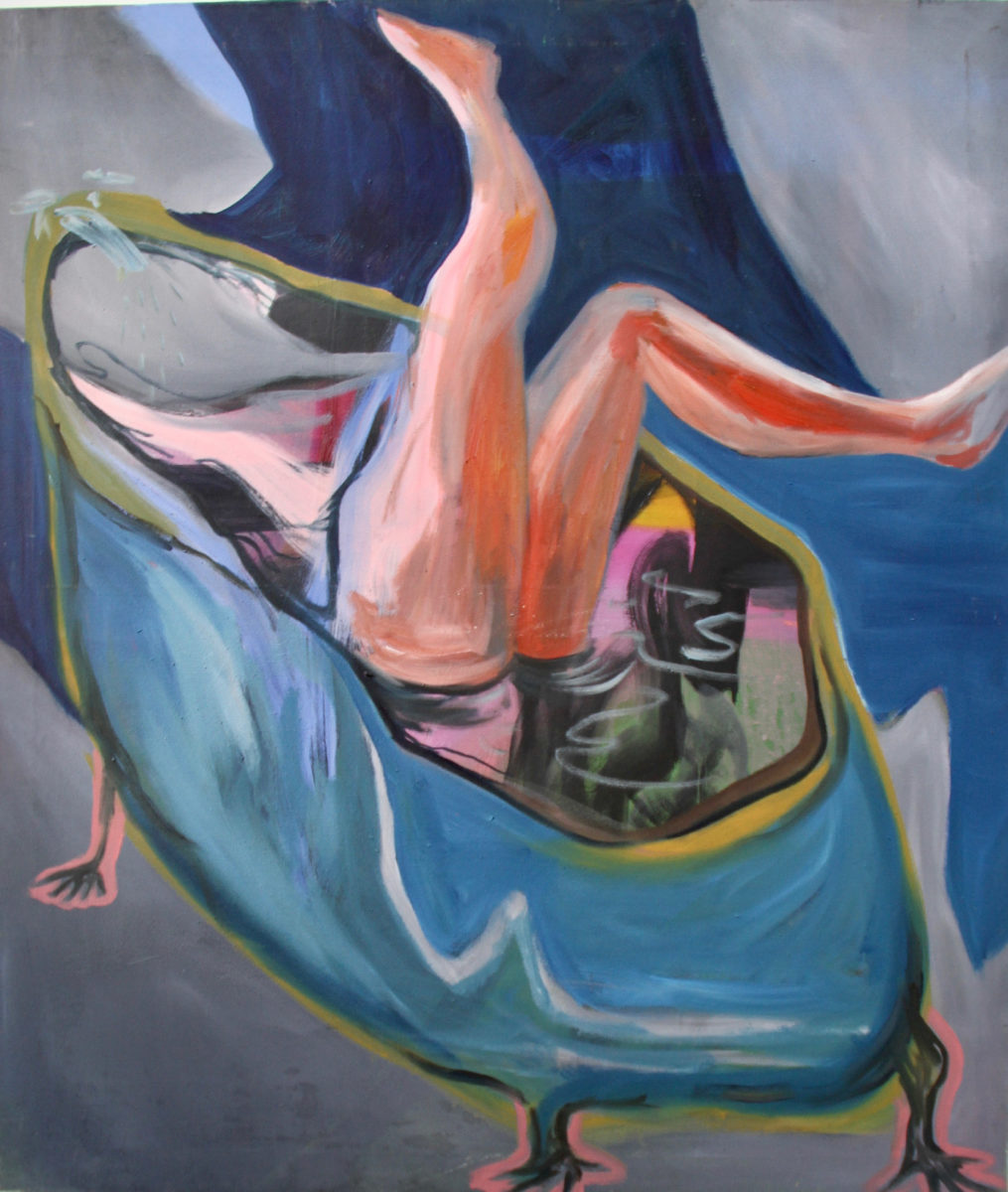
The Bathtub I've Always Wanted No. 1, 2018

Oil on canvas
80 x 60 cm

How are you staying creative?

I just let my brain do what it does and wait for it to give me random thoughts that I want to act on. Looking out of the window helps too. I love people watching. I’ve been thinking of painting a series about me becoming my furniture as I spend so much time on it now. 

Posted on

In the Studio with Yishay Hogesta

Israeli Artist Yishay Hogesta is driven by the need to generate a sense of immediacy onto the canvas, imbued with the complexity of his own personal values. We met with him to discuss his practice, growing up in Israel, and his journey as an artist.

First of all, have you always been interested in the arts? 

For most of my life I never had any interest in the arts. I had problems in schools and never really found my place. After I finished my army service (which is mandatory in Israel), I decided I wanted to study film. Guess I just really liked films at the time. I actually really enjoyed it, but I had some issues with the making side of it. At the end of the first year, I realised filmmaking was not the medium that answered my passions and interests.

In the second year I took some courses in art theory, which I loved. Eventually I decided to quit school, mainly because of money issues and instead rented a studio and educated myself with the help of other artists and people from within the art field.

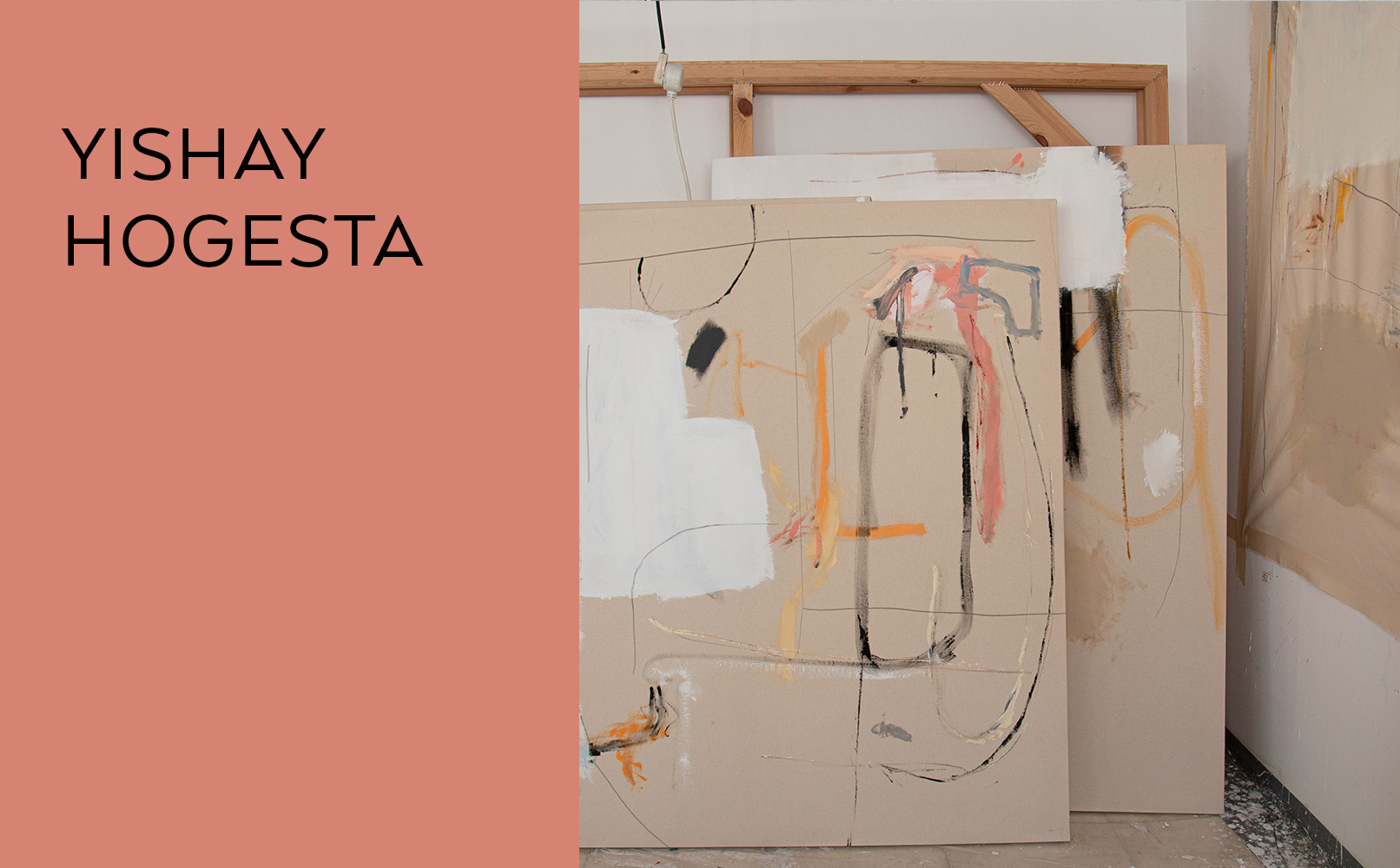
Untitled, 2019

Acrylic and graphite on canvas
120 x 120 cm

Untitled, 2019

Acrylic and graphite on canvas
120 x 120 cm

How has your artistic practice evolved throughout the years?  Do you see a hierarchy within your practice? 

When I was 25 I entered film school. At the end of the first year I realised I was missing a sense of immediacy and directness and really didn’t find myself in the filmmaking process: production, writing, logistics etc .., I started doing collages and had a lot of fun, it was kind of preparation for me before I got into painting. I was experimenting more and more with colours and less with glueing paper and the transition into painting was natural.

Do you plan what you are going to create before doing so?

When I start a painting I have some vague sense of composition and colour scheme, but I never actually sit and plan. The decisions you make while painting is what makes the painting process so much fun and exciting.

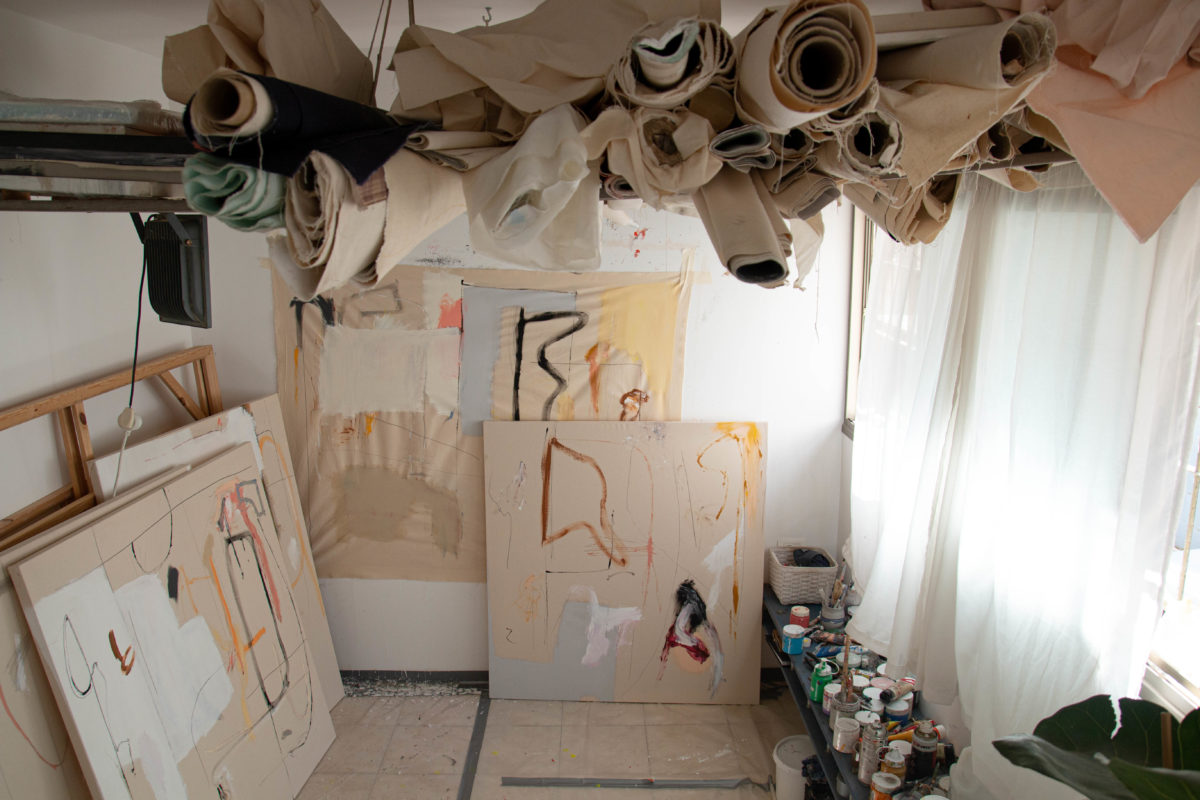
Untitled, 2019

Acrylic and graphite on cloth
135 x 107 cm

How would you describe your aesthetic? Where do you get your narratives from? 

My main goal in painting is to deliver a sense of immediacy and to find ways to bring the values I find important in life into the painting. This has a big  effect on my aesthetic, materials, compositions and colour scheme. I guess I want people to see beauty and sensitivity in it. I believe when they see those things it means I touched them on a deeper level and that I found a way to manifest values that are difficult for me to put in words and relate these to them.

Who has influenced your practice?

The people that influenced, and are still influencing my practice the most, are my Art school philosophy professor and one of my best friend’s dads, who is an artist and has really helped me on my journey. Also, a bunch of Israeli artists such as Raffi Lavie, Lea Nikel, Joseph Zaritski and international ones, of course.

What do you want people to take from your work when they view the work? 

I don’t really think about the audience while painting, in the sense that it is influencing my process. I do want people to experience my paintings as what they are – a combination of lines and colours and not to try and make sense of it in the same way you experience a figurative painting, which holds the same values as abstract painting, with an additional layer of narrative. I just hope they will enjoy and be excited about the beauty and sensitivities I try to deliver and through those aspects, to communicate myself.

What’s next? Any upcoming projects, collaborations, exhibitions?

Right now I’m working on a new body of work which I’m very excited about hopefully will exhibit soon.
 

What’s the best piece of advice you’ve ever received?

Work, work, work.